
Practice question
Question
Phytostabilization results in:
Explanation
Phytostabilization aims to reduce mobility and bioavailability of heavy metals not readily degradable without removing mass, establishing persistent vegetative cover immobilizing pollutants in root zone and preventing off-site migration via wind or water. Tolerant grasses Festuca rubra, Agrostis stolonifera and Buchloe dactyloides plus legumes fix nitrogen achieve stabilization through raising rhizosphere pH via carbonates causing precipitation as hydroxides and phosphates, stimulating sulfate-reducing Desulfovibrio producing sulfide precipitating PbS and ZnS with Ksp 10^-28, binding to root cell wall pectic carboxyl and vacuolar storage as phytochelatin complexes via synthase, accumulation of humic matter complexing metals, and hydraulic control limiting infiltration. Accumulation mainly in roots with translocation factor below 0.1 avoiding grazing chain. Outcome is decreased dust, runoff and leaching to groundwater, suitable for large mine tailings and smelter sites where excavation cost-prohibitive, differing from phytoextraction harvesting metals and phytovolatilization releasing to atmosphere, often implemented with soil amendments lime and compost enhancing immobilization long term.
Related blogs
Guides and insights connected to this topic

Eukaryotic DNA Isolation: Principle, Materials, Procedure and Results
What is DNA Extraction? Deoxyribonucleic acid (DNA) extraction is the process by which DNA is separated from proteins, membranes, and other...

PYR Test: Principle, Media, Steps, Results, Uses
Introduction to the PYR TestThe PYR test (Pyrrolidonyl Arylamidase test) is an essential biochemical assay used primarily for the identifica...
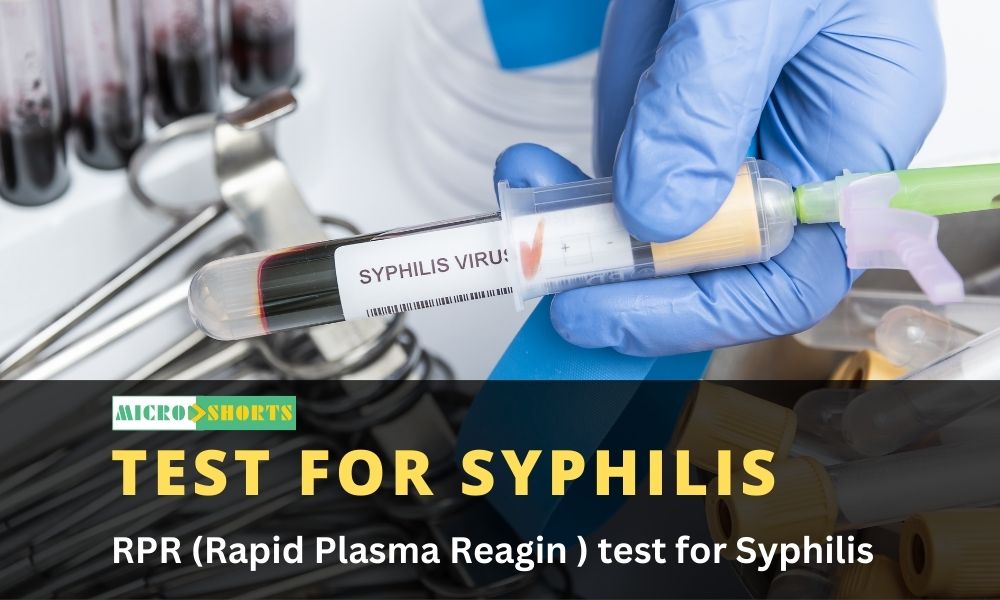
RPR (Rapid Plasma Reagin ) test for Syphilis
Principle The RPR reagent containing modified VDRL antigen and microparticulate carbon particles, flocculate when mixed with sample containi...

Discussion
Comments
Please log in to join the discussion.
Login to commentNo comments yet. Be the first to start the discussion.