
Practice question
Question
Viroids are characterized by:
Explanation
Viroids represent subviral pathogens composed solely of small, non-coding, single-stranded circular RNA without encapsidation or protein synthesis capability. Ranging from 246 to 401 nucleotides, they form highly base-paired rod-like secondary structure conferring resistance to nucleases that hijack host RNA polymerase II for replication via rolling circle mechanism. Infecting higher plants causing diseases like potato spindle tuber, they replicate in nucleus or chloroplast. Absence of capsid distinguishes them from viruses. Small size, circularity and lack of protein coat are diagnostic features separating viroids from virusoids and satellites.
Related blogs
Guides and insights connected to this topic
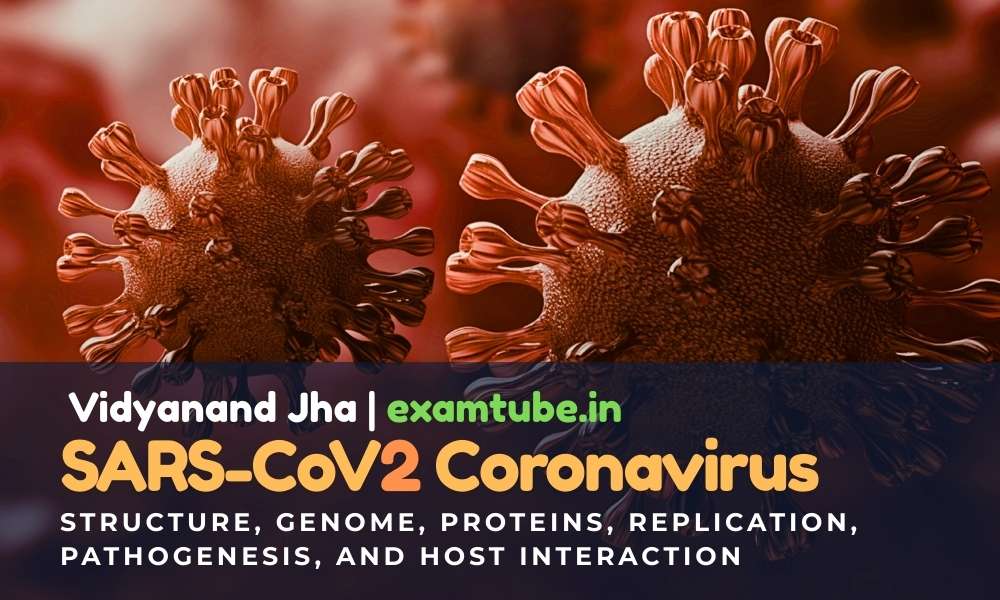
SARS-CoV-2 Coronavirus: Structure, Genome, Proteins, Replication, Pathogenesis, and Host Interaction
Coronavirus Overview Coronaviruses (CoVs) are enveloped viruses (surrounded by a lipid membrane derived from host cells), belonging to the s...

Coronavirus Structure, Genome, Replication, Symptoms, Pathogenesis, and Prevention
Structure of Coronavirus Coronaviruses (enveloped RNA viruses) fall in the virus family Coronaviridae, order Nidovirales. They are enveloped...
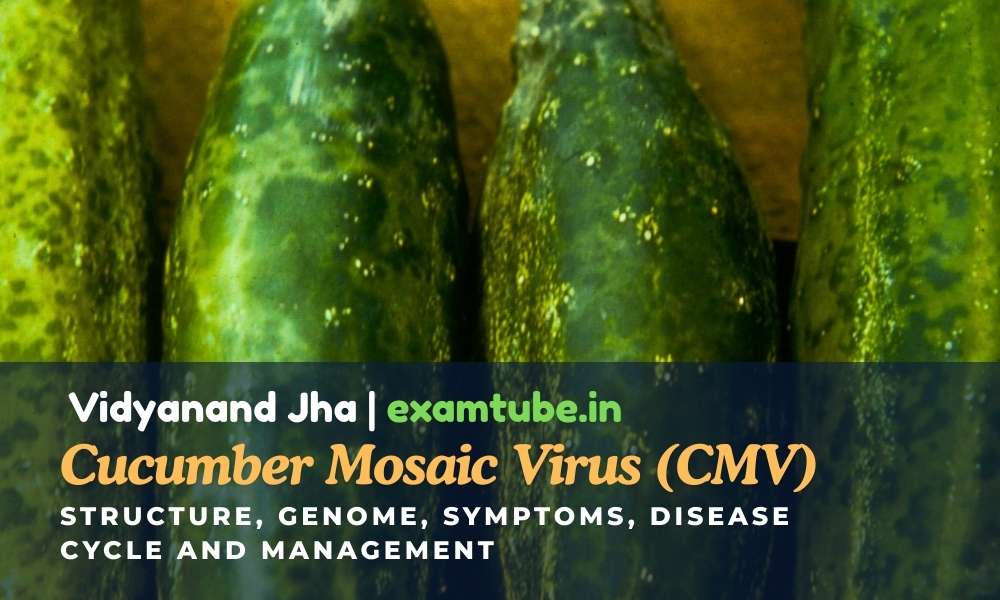
Cucumber Mosaic Virus (CMV): Structure, Genome, Symptoms, Disease Cycle and Management
Cucumber Mosaic Virus (CMV): Introduction and Importance Cucumber Mosaic Virus (CMV) (plant-infecting RNA virus) is one of the most economic...