
Practice question
Question
rRNA introns are mainly found in
Explanation
Bacterial ribosomal operons rarely harbor introns due to genome streamlining and rapid replication pressure favoring compactness. In contrast, archaeal and eukaryotic rRNA genes, including nuclear 28S and 18S, mitochondrial and chloroplast rRNAs, frequently contain Group I self-splicing introns located at highly conserved core regions. These introns are co-transcriptionally removed by self-splicing assisted by proteins, restoring functional rRNA. Distribution reflects ancestral intron richness in early life and selective loss in bacteria, while archaea and eukaryotes retained mobile intronic elements. This refined regulation supports accurate ribosomal assembly, quality control and translational fidelity under diverse physiological conditions and growth states.
Related blogs
Guides and insights connected to this topic
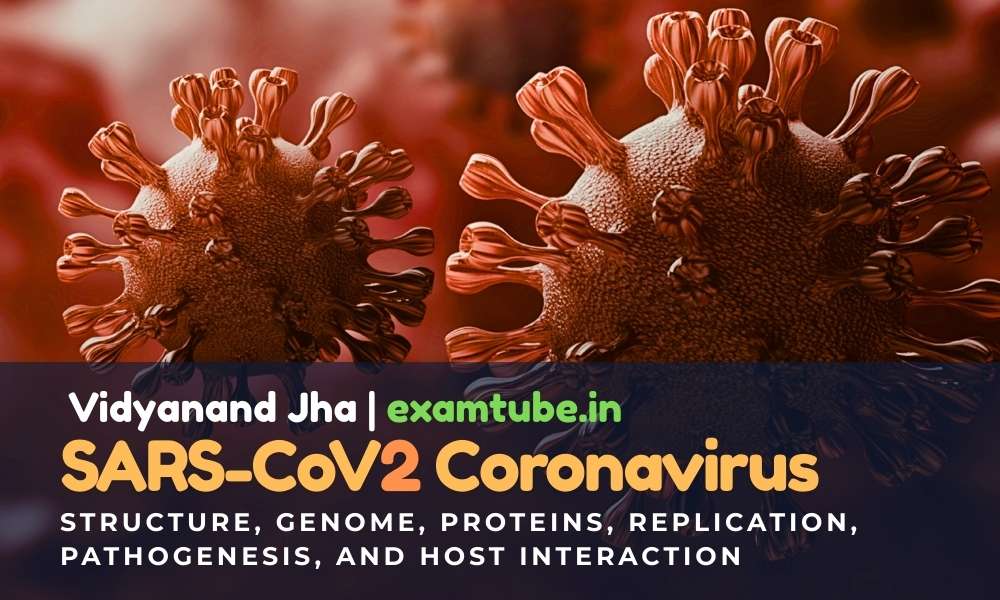
SARS-CoV-2 Coronavirus: Structure, Genome, Proteins, Replication, Pathogenesis, and Host Interaction
Coronavirus Overview Coronaviruses (CoVs) are enveloped viruses (surrounded by a lipid membrane derived from host cells), belonging to the s...

Coronavirus Structure, Genome, Replication, Symptoms, Pathogenesis, and Prevention
Structure of Coronavirus Coronaviruses (enveloped RNA viruses) fall in the virus family Coronaviridae, order Nidovirales. They are enveloped...

Cucumber Mosaic Virus (CMV): Structure, Genome, Symptoms, Disease Cycle and Management
Cucumber Mosaic Virus (CMV): Introduction and Importance Cucumber Mosaic Virus (CMV) (plant-infecting RNA virus) is one of the most economic...