
Practice question
Question
Most ectoprocts reproduce asexually to form
Explanation
Primary mode of propagation and colony expansion in ectoprocts involves asexual budding where daughter zooids bud from parental body wall producing interconnected zoarium of polymorphic zooids specialized for feeding, defense, reproduction and support. Budding generates modular growth optimized for sessile filter feeding maximizing space capture. Sexual reproduction also present producing cyphonautes triangular shelled or coronate non-feeding larvae settling to form ancestrula founding new colony. Freshwater phylactolaemates additionally produce statoblasts as dormant chitinous propagules highly resistant to desiccation, emphasizing prevalence of asexual colony formation and resilience enabling survival in variable environments and dispersal across habitats.
Related blogs
Guides and insights connected to this topic
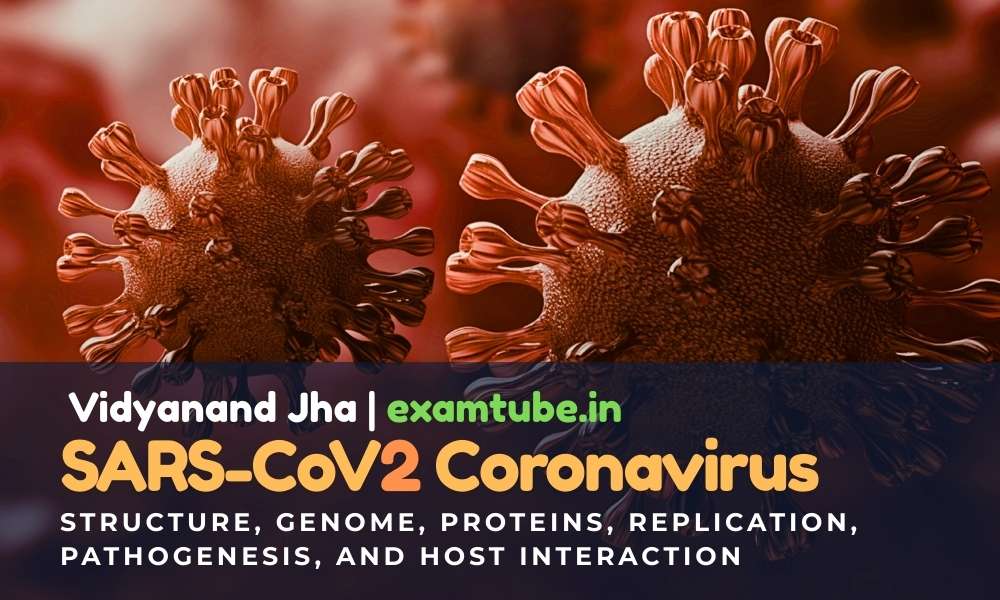
SARS-CoV-2 Coronavirus: Structure, Genome, Proteins, Replication, Pathogenesis, and Host Interaction
Coronavirus Overview Coronaviruses (CoVs) are enveloped viruses (surrounded by a lipid membrane derived from host cells), belonging to the s...

Coronavirus Structure, Genome, Replication, Symptoms, Pathogenesis, and Prevention
Structure of Coronavirus Coronaviruses (enveloped RNA viruses) fall in the virus family Coronaviridae, order Nidovirales. They are enveloped...
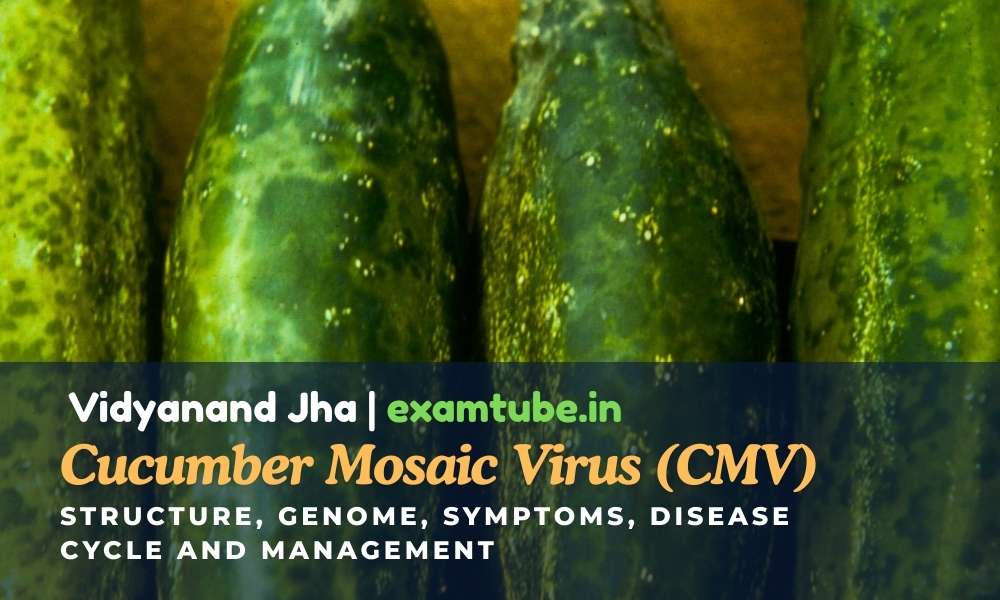
Cucumber Mosaic Virus (CMV): Structure, Genome, Symptoms, Disease Cycle and Management
Cucumber Mosaic Virus (CMV): Introduction and Importance Cucumber Mosaic Virus (CMV) (plant-infecting RNA virus) is one of the most economic...