
Practice question
Question
Larval forms of sponges include
Explanation
Poriferan free-swimming larvae include amphiblastula hollow blastula with anterior hemisphere flagellated smaller micromeres and posterior hemisphere larger unflagellated macromeres characteristic of calcareous syconoid sponges, after inversion settles and flagellated cells become choanocytes. Parenchymella also called parenchymula or stereogastrula typical of demosponges solid structure with outer flagellated columnar epithelium surrounding inner mass of amoeboid cells. Both lecithotrophic planktonic dispersal forms. Planula belongs to cnidarians, trochophore to lophotrochozoans, veliger molluscan, bipinnaria echinoderm, nauplius and zoea crustacean decapod larvae not sponge. This concept holds high importance for NEET, CBSE board, CUET and competitive examinations focusing on comparative morphology
Related blogs
Guides and insights connected to this topic
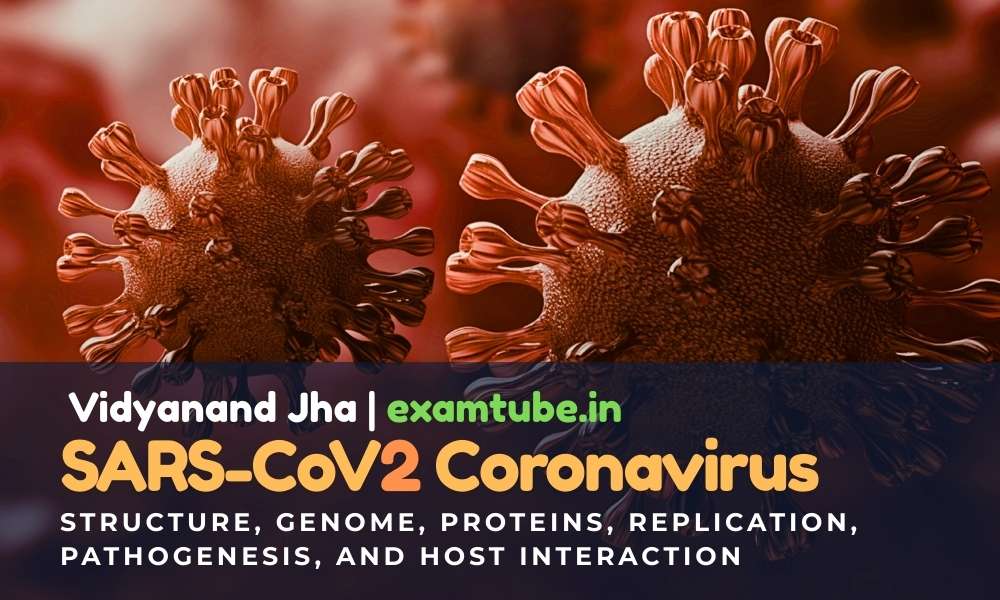
SARS-CoV-2 Coronavirus: Structure, Genome, Proteins, Replication, Pathogenesis, and Host Interaction
Coronavirus Overview Coronaviruses (CoVs) are enveloped viruses (surrounded by a lipid membrane derived from host cells), belonging to the s...

Coronavirus Structure, Genome, Replication, Symptoms, Pathogenesis, and Prevention
Structure of Coronavirus Coronaviruses (enveloped RNA viruses) fall in the virus family Coronaviridae, order Nidovirales. They are enveloped...
Zoonotic Spillover in Bats: Causes, Consequences, and Future Preparedness
Bats: General Characteristics and Classification Bats are small mammals capable of true sustained flight. They belong to the second-largest...