
Practice question
Question
How are parental H3-H4 tetramers distributed after replication?
Explanation
During replication fork progression, parental nucleosomes ahead of helicase are disrupted and histones must be reassigned to daughter strands. Classic labeling with cycloheximide blocking new histone synthesis and isotope tracking demonstrate that H3-H4 tetramers remain intact, not splitting into dimers, and segregate randomly between leading and lagging duplexes. Approximately equal numbers of old and new tetramers assemble behind fork with interspersed distribution. This random dispersal preserves epigenetic information in mosaic fashion, requiring copying of modifications by reader-writer enzymes like PRC2 and Suv39h1 to maintain heterochromatin memory across divisions.
Related blogs
Guides and insights connected to this topic

SARS-CoV-2 Coronavirus: Structure, Genome, Proteins, Replication, Pathogenesis, and Host Interaction
Coronavirus Overview Coronaviruses (CoVs) are enveloped viruses (surrounded by a lipid membrane derived from host cells), belonging to the s...

Coronavirus Structure, Genome, Replication, Symptoms, Pathogenesis, and Prevention
Structure of Coronavirus Coronaviruses (enveloped RNA viruses) fall in the virus family Coronaviridae, order Nidovirales. They are enveloped...
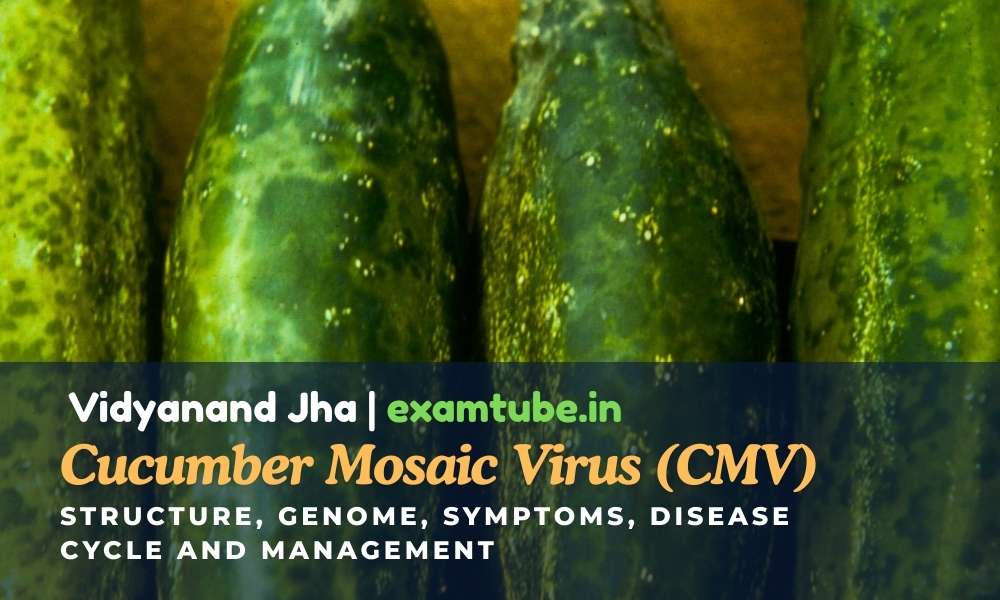
Cucumber Mosaic Virus (CMV): Structure, Genome, Symptoms, Disease Cycle and Management
Cucumber Mosaic Virus (CMV): Introduction and Importance Cucumber Mosaic Virus (CMV) (plant-infecting RNA virus) is one of the most economic...