
Practice question
Question
Which histone modification loosens DNA-histone interaction?
Explanation
Lysine acetylation directly weakens histone-DNA electrostatic attraction. Transfer of acetyl from acetyl-CoA to ε-amino group removes positive charge, reducing net basic character of tail and diminishing binding to phosphate backbone. Structural studies reveal increased tail disorder, enhanced nucleosome breathing and greater accessibility for transcription factors. Bromodomain proteins further recognize acetyl-lysine, recruiting remodelers that slide or eject nucleosomes. Functionally, hyperacetylation at promoters and enhancers correlates with euchromatin formation, while deacetylation restores compaction. This biophysical effect distinguishes acetylation from methylation that preserves charge.
Related blogs
Guides and insights connected to this topic
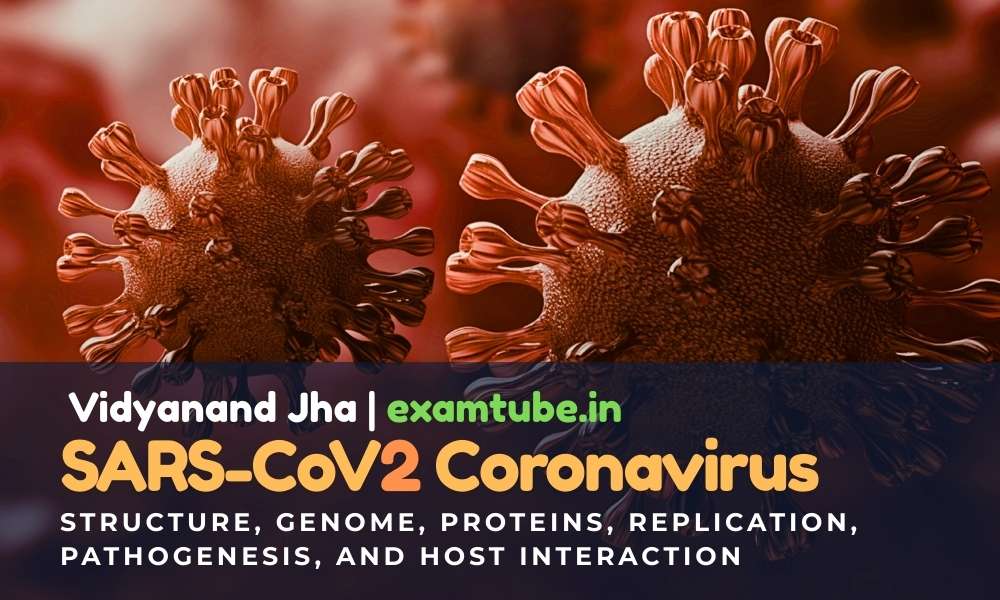
SARS-CoV-2 Coronavirus: Structure, Genome, Proteins, Replication, Pathogenesis, and Host Interaction
Coronavirus Overview Coronaviruses (CoVs) are enveloped viruses (surrounded by a lipid membrane derived from host cells), belonging to the s...

Coronavirus Structure, Genome, Replication, Symptoms, Pathogenesis, and Prevention
Structure of Coronavirus Coronaviruses (enveloped RNA viruses) fall in the virus family Coronaviridae, order Nidovirales. They are enveloped...
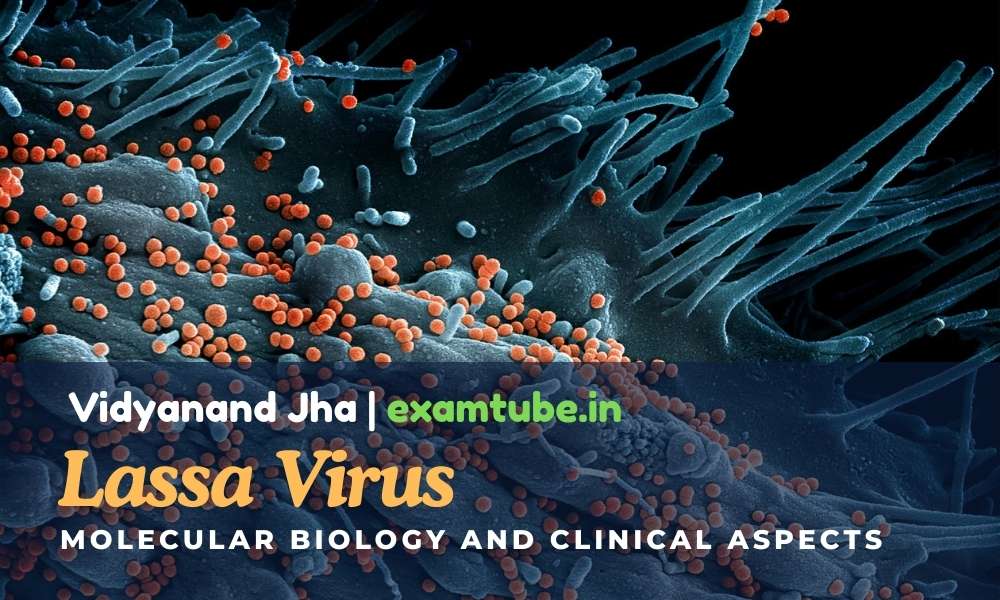
Molecular Biology and Clinical Aspects of Lassa Virus
Structure of Lassa Virus The virus is a single-stranded RNA virus (RNA virus – virus whose genetic material is RNA, not DNA) belonging to th...