
Practice question
Question
Euglenoids are mainly
Explanation
Euglenoids within Euglenozoa predominantly perform photoautotrophy using secondary plastids surrounded by three membranes containing chlorophyll a and b plus paramylon storage polysaccharide as beta-1,3-glucan granules. Genera like Euglena possess photoreceptive eyespot and flagellum for phototaxis, enabling light-directed movement toward optimal irradiance for photosynthesis. While capable of osmotrophy and phagotrophy when light limited, natural freshwater populations are chiefly photosynthetic in euphotic zone. Parasitic, saprophytic or obligate heterotrophic lifestyles remain minor compared to dominant autotrophic nutrition supported by functional chloroplasts. Flagellar arrangement with phototactic eyespot enables vertical migration optimizing light capture and avoiding photooxidative damage near surface.
Related blogs
Guides and insights connected to this topic
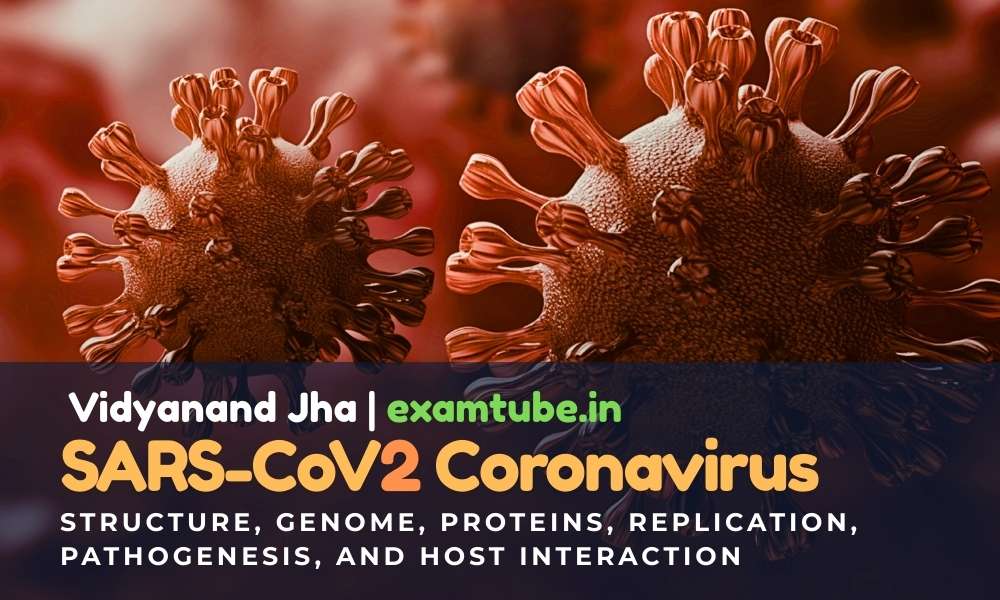
SARS-CoV-2 Coronavirus: Structure, Genome, Proteins, Replication, Pathogenesis, and Host Interaction
Coronavirus Overview Coronaviruses (CoVs) are enveloped viruses (surrounded by a lipid membrane derived from host cells), belonging to the s...

Coronavirus Structure, Genome, Replication, Symptoms, Pathogenesis, and Prevention
Structure of Coronavirus Coronaviruses (enveloped RNA viruses) fall in the virus family Coronaviridae, order Nidovirales. They are enveloped...
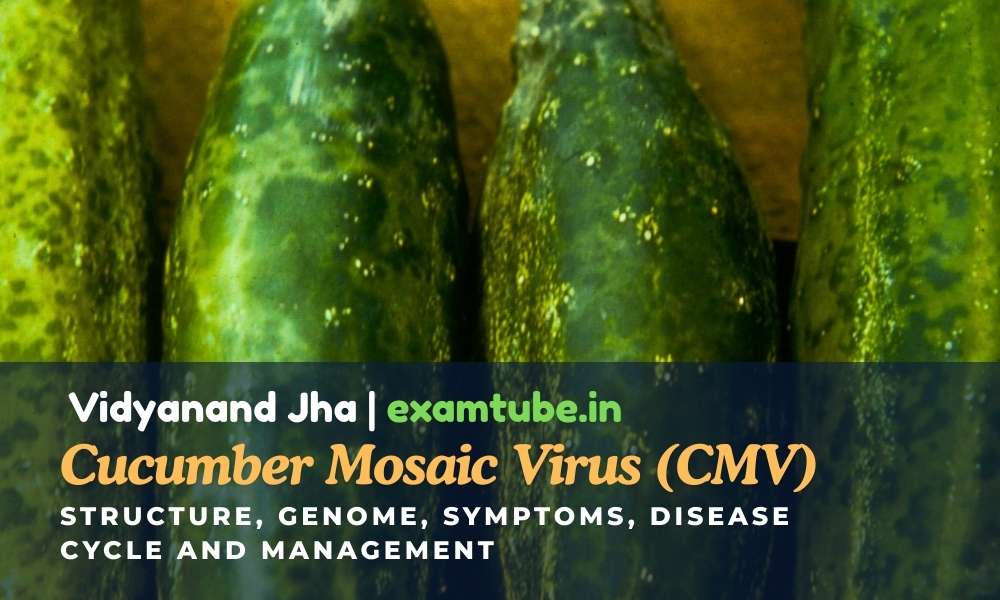
Cucumber Mosaic Virus (CMV): Structure, Genome, Symptoms, Disease Cycle and Management
Cucumber Mosaic Virus (CMV): Introduction and Importance Cucumber Mosaic Virus (CMV) (plant-infecting RNA virus) is one of the most economic...