
Practice question
Question
Which best characterizes r-selected species in early succession?
Explanation
High fecundity is characteristic of many r-selected species that dominate early succession. Disturbed habitats are open, temporary, and unpredictable, so natural selection favours organisms that reproduce quickly and produce many offspring capable of reaching new patches. Seeds or propagules are often small, dispersive, and short-generation, allowing rapid population increase when light and nutrients are abundant. Investment in numerous offspring usually trades off against large body size, prolonged parental care, durable tissues, and late reproduction. Long life span and slow maturation are more often associated with species in stable, competitive later stages, although real organisms fall along continua rather than into two fixed categories. Early colonists also tend to grow fast and tolerate physical stress but may be poor competitors under shade. The “r” refers to the intrinsic rate of population increase in population models. Producing many offspring raises that potential rate, explaining mechanistically why high fecundity fits the opportunities and risks of newly disturbed successional environments.
Related blogs
Guides and insights connected to this topic
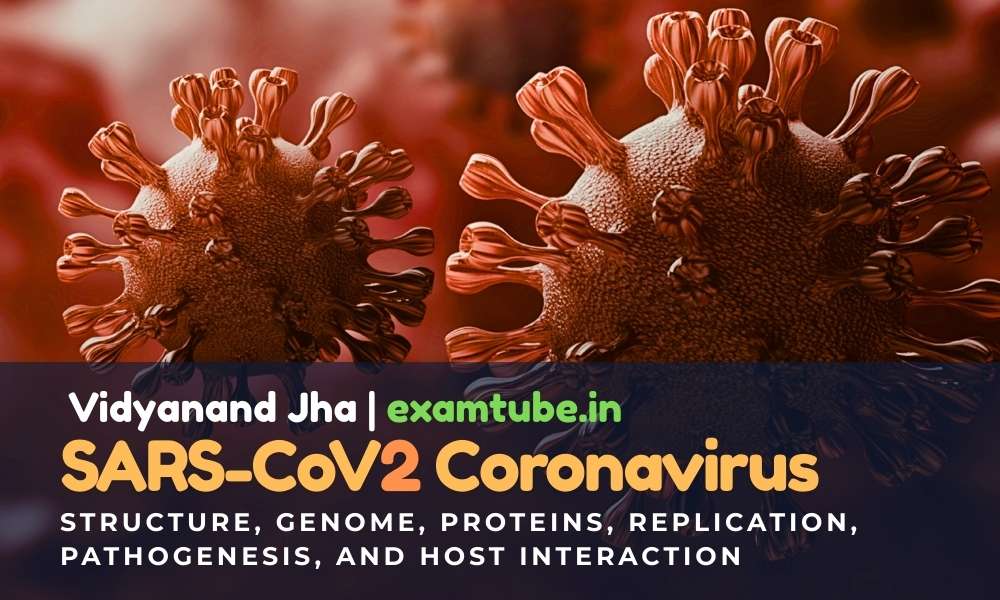
SARS-CoV-2 Coronavirus: Structure, Genome, Proteins, Replication, Pathogenesis, and Host Interaction
Coronavirus Overview Coronaviruses (CoVs) are enveloped viruses (surrounded by a lipid membrane derived from host cells), belonging to the s...

Coronavirus Structure, Genome, Replication, Symptoms, Pathogenesis, and Prevention
Structure of Coronavirus Coronaviruses (enveloped RNA viruses) fall in the virus family Coronaviridae, order Nidovirales. They are enveloped...
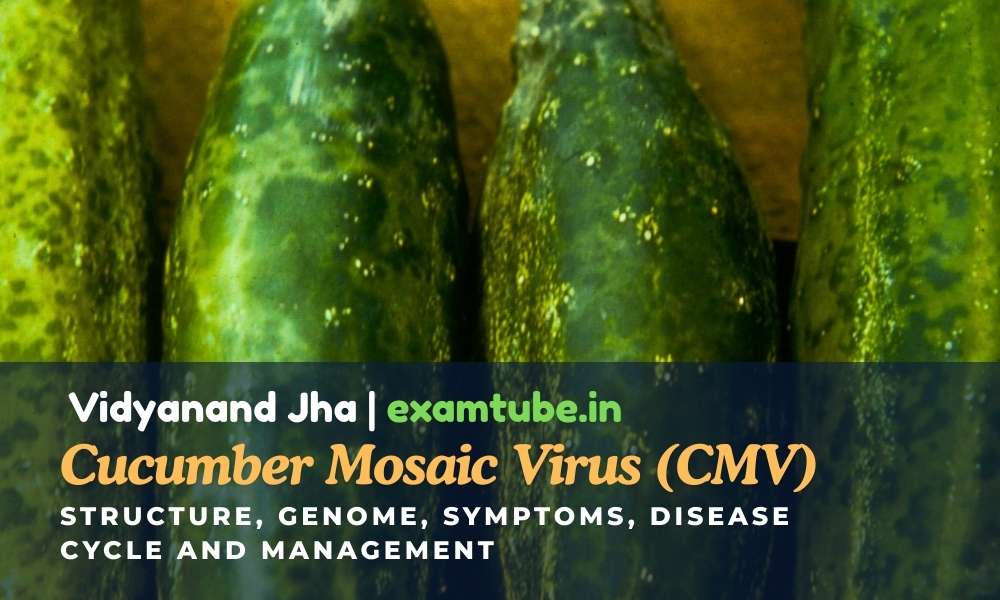
Cucumber Mosaic Virus (CMV): Structure, Genome, Symptoms, Disease Cycle and Management
Cucumber Mosaic Virus (CMV): Introduction and Importance Cucumber Mosaic Virus (CMV) (plant-infecting RNA virus) is one of the most economic...