
Practice question
Question
The strategy of ecosystem development by Odum emphasizes that:
Explanation
Odum’s classic strategy of ecosystem development proposes that nutrient cycles become increasingly closed, or “tighter,” as succession proceeds. Early communities have small nutrient pools in biomass, weak retention, and relatively large losses through runoff or leaching. As vegetation, roots, decomposers, and soil organic matter develop, nutrients released by decomposition are captured more efficiently and reused within the community. Longer food chains and greater biological regulation can further slow their escape. Mature systems therefore tend to conserve limiting elements, although disturbance can abruptly reopen cycles. The model also predicts rising biomass, structural complexity, and diversity, not decreases. Early stages are commonly associated with rapidly reproducing, dispersive species, whereas later stages favour more competitive and persistent strategies. Total entropy production is not summarized by a simple statement that entropy merely increases with time. Odum’s scheme is an idealized set of tendencies rather than a universal law; actual trajectories depend on climate, soils, and disturbance. Still, improved internal nutrient retention directly explains why tighter cycling is the expected developmental trend.
Related blogs
Guides and insights connected to this topic
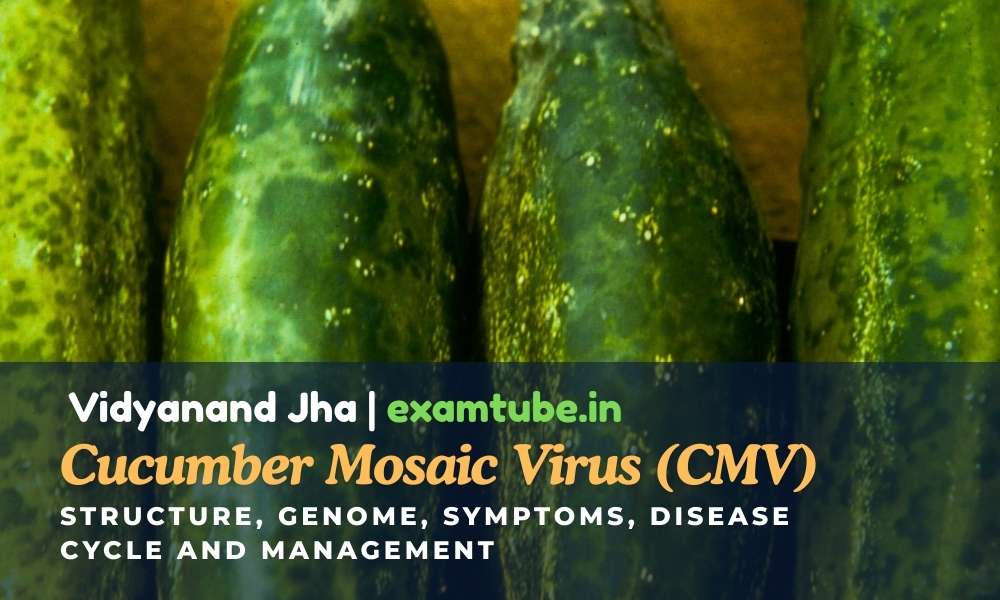
Cucumber Mosaic Virus (CMV): Structure, Genome, Symptoms, Disease Cycle and Management
Cucumber Mosaic Virus (CMV): Introduction and Importance Cucumber Mosaic Virus (CMV) (plant-infecting RNA virus) is one of the most economic...
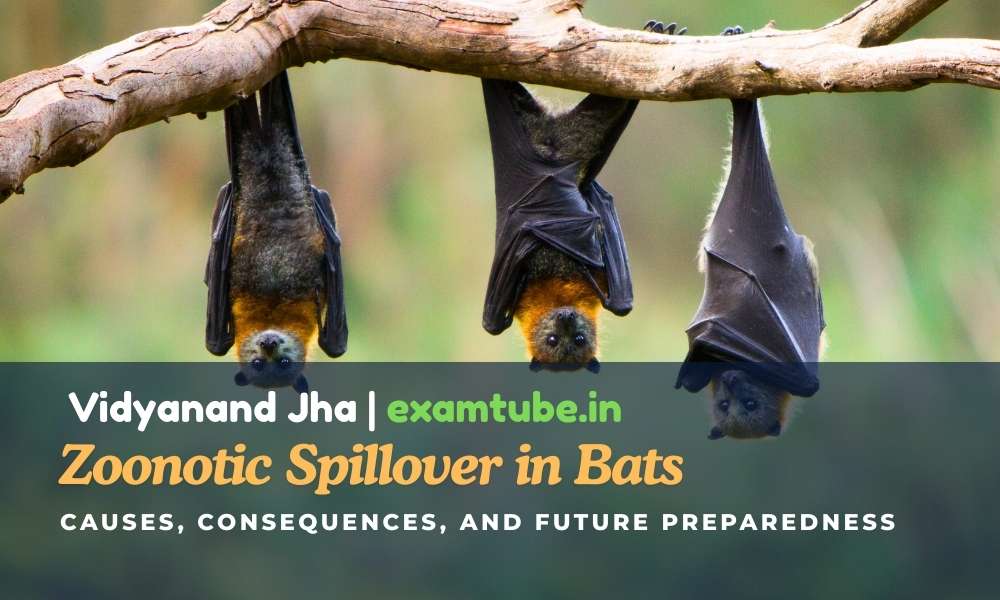
Zoonotic Spillover in Bats: Causes, Consequences, and Future Preparedness
Bats: General Characteristics and Classification Bats are small mammals capable of true sustained flight. They belong to the second-largest...

Molecular Biology and Clinical Aspects of Lassa Virus
Structure of Lassa Virus The virus is a single-stranded RNA virus (RNA virus – virus whose genetic material is RNA, not DNA) belonging to th...