
Practice question
Question
Which one defines climax community?
Explanation
A climax community, in the traditional succession concept, is a relatively stable, self-perpetuating assemblage that maintains its broad composition under the prevailing climate and soil conditions. Long-lived organisms reproduce successfully within the community, nutrient cycles are comparatively tight, and small population changes do not automatically reset succession. This does not mean the community is motionless: individuals die and recruit, species abundances fluctuate, and patches are created by local disturbance. Nor must it have the highest primary productivity; mature biomass carries high maintenance respiration, so net production may be lower than in a young, rapidly growing stage. Pioneer species dominate early stages rather than the climax. Modern ecology has modified the single-climax idea because landscapes experience recurrent disturbances, environmental change, and alternative stable states. A better contemporary interpretation is a persistent late-successional state within a dynamic mosaic. Even with that qualification, “stable and self-perpetuating” captures the intended contrast with short-lived, rapidly changing pioneer communities and explains why it defines the conventional climax.
Related blogs
Guides and insights connected to this topic

SARS-CoV-2 Coronavirus: Structure, Genome, Proteins, Replication, Pathogenesis, and Host Interaction
Coronavirus Overview Coronaviruses (CoVs) are enveloped viruses (surrounded by a lipid membrane derived from host cells), belonging to the s...
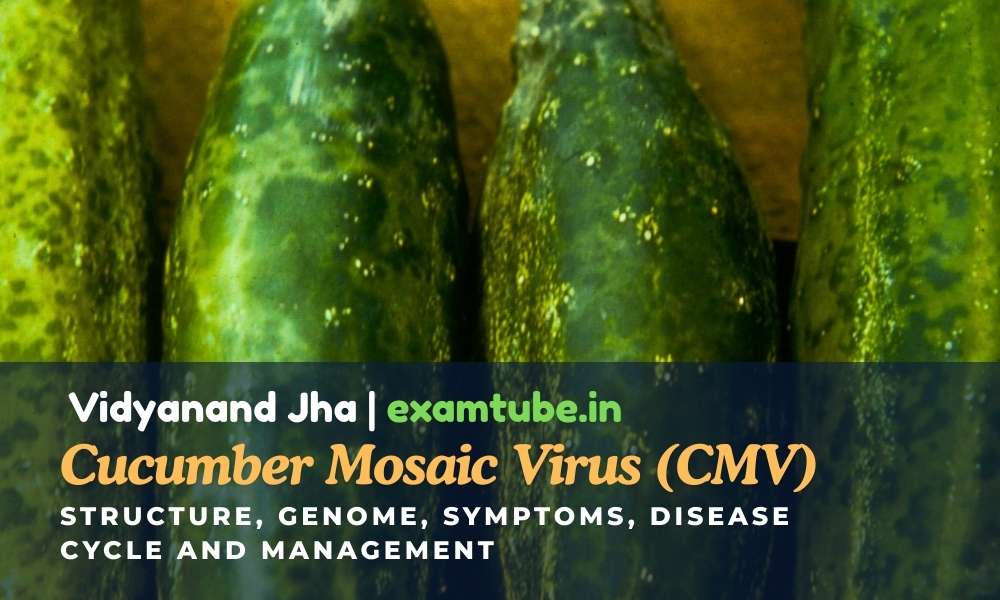
Cucumber Mosaic Virus (CMV): Structure, Genome, Symptoms, Disease Cycle and Management
Cucumber Mosaic Virus (CMV): Introduction and Importance Cucumber Mosaic Virus (CMV) (plant-infecting RNA virus) is one of the most economic...
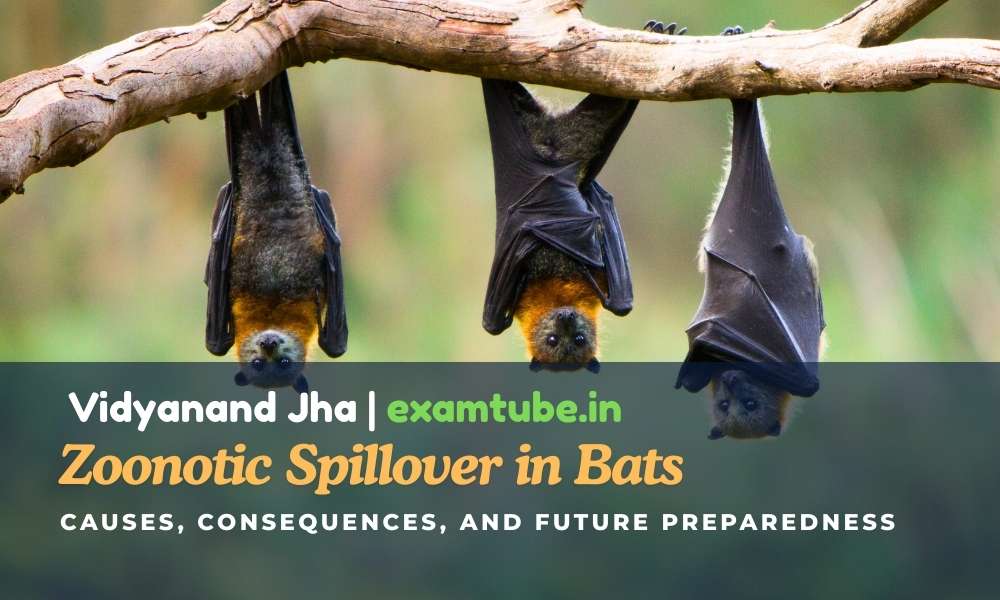
Zoonotic Spillover in Bats: Causes, Consequences, and Future Preparedness
Bats: General Characteristics and Classification Bats are small mammals capable of true sustained flight. They belong to the second-largest...