
Practice question
Question
Which ecological change is least reversible?
Explanation
Extinction is effectively irreversible because it eliminates the last living members of a species and therefore its unique evolutionary lineage and gene pool. Once no viable individuals or preserved reproductive material remain, ordinary ecological processes cannot recreate that species. Evolution might eventually produce organisms with similar traits, but not the same historical lineage. Succession can reverse or restart after disturbance, invasion can sometimes be controlled or eradicated, and evolutionary change may be altered by future selection or gene flow, though none is always easily reversible. Extinction therefore represents the strongest permanent loss among the choices. Its ecological effects may cascade when the vanished species was a pollinator, predator, ecosystem engineer, or dominant producer. Local extinction can sometimes be reversed by recolonization or reintroduction from another population; global extinction cannot. Cryopreserved cells or seeds complicate the boundary if viable material remains, but most extinct species lack such reserves. The loss of all reproducing individuals is the biological mechanism making extinction qualitatively less reversible than changes in community composition.
Related blogs
Guides and insights connected to this topic
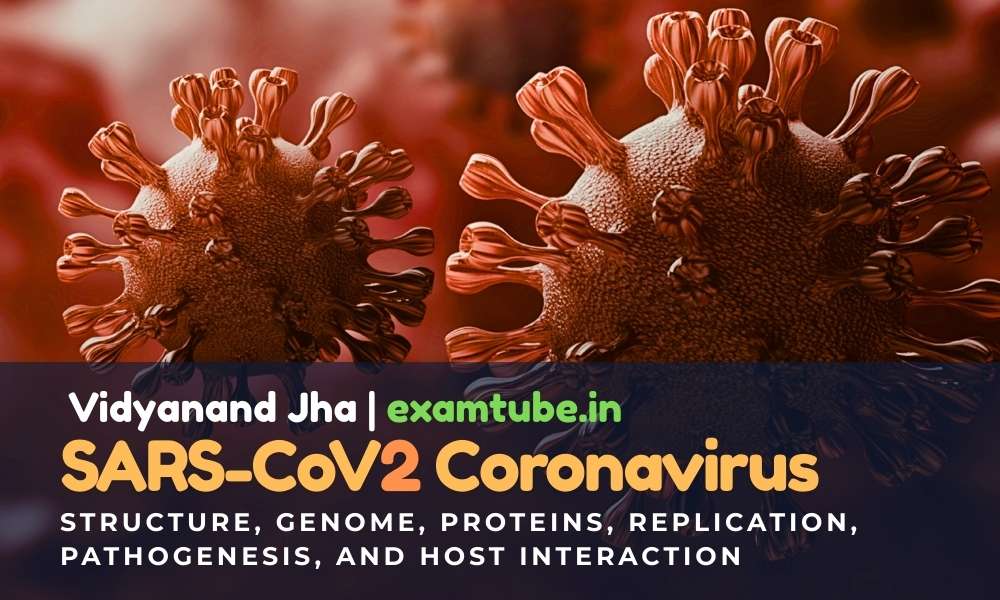
SARS-CoV-2 Coronavirus: Structure, Genome, Proteins, Replication, Pathogenesis, and Host Interaction
Coronavirus Overview Coronaviruses (CoVs) are enveloped viruses (surrounded by a lipid membrane derived from host cells), belonging to the s...

Coronavirus Structure, Genome, Replication, Symptoms, Pathogenesis, and Prevention
Structure of Coronavirus Coronaviruses (enveloped RNA viruses) fall in the virus family Coronaviridae, order Nidovirales. They are enveloped...
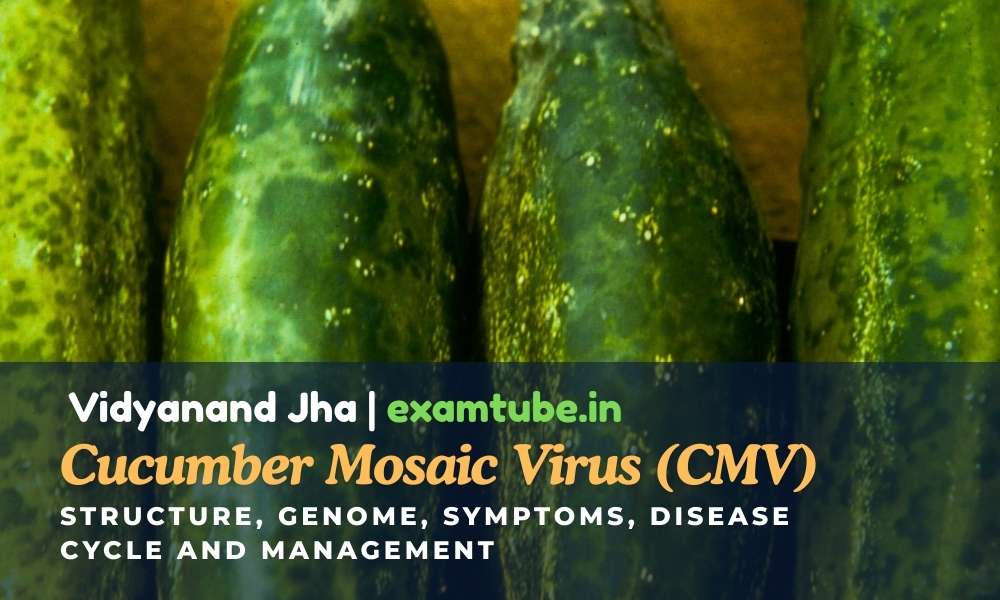
Cucumber Mosaic Virus (CMV): Structure, Genome, Symptoms, Disease Cycle and Management
Cucumber Mosaic Virus (CMV): Introduction and Importance Cucumber Mosaic Virus (CMV) (plant-infecting RNA virus) is one of the most economic...