
Practice question
Question
Which factor is most important in primary succession?
Explanation
Primary succession is distinguished by the initial absence of developed soil, so the keyed phrase “soil presence” is scientifically mismatched with the process as written. Soil formation, rather than pre-existing soil, is one of the most important early developments. Weathering of rock, dust deposition, microbial activity, lichens, and accumulation of dead organic matter create a substrate that stores water and nutrients and permits larger plants to establish. Temperature and light strongly affect colonists and weathering, but neither alone universally controls all primary succession. Competition usually becomes more important after several species have arrived, not at the earliest stage. If the intended meaning was “development or availability of soil,” then soil is indeed the central factor governing transition from pioneers to later vegetation. However, among the literal choices, no answer accurately states that primary succession begins without soil. This distinction also separates primary succession from secondary succession, where existing soil, seed banks, roots, and microbes greatly speed recovery after disturbance.
Related blogs
Guides and insights connected to this topic

SARS-CoV-2 Coronavirus: Structure, Genome, Proteins, Replication, Pathogenesis, and Host Interaction
Coronavirus Overview Coronaviruses (CoVs) are enveloped viruses (surrounded by a lipid membrane derived from host cells), belonging to the s...

Coronavirus Structure, Genome, Replication, Symptoms, Pathogenesis, and Prevention
Structure of Coronavirus Coronaviruses (enveloped RNA viruses) fall in the virus family Coronaviridae, order Nidovirales. They are enveloped...
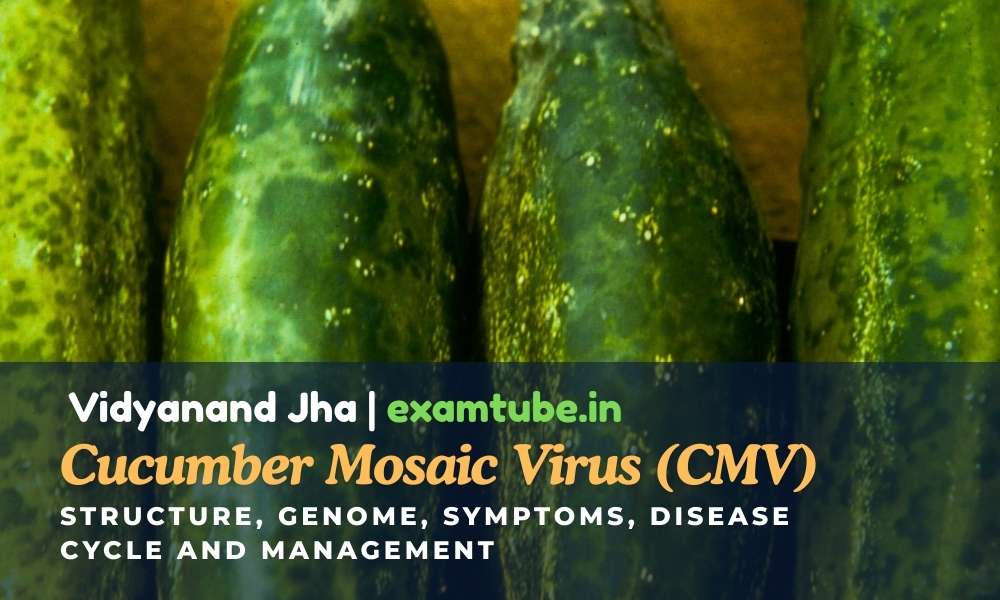
Cucumber Mosaic Virus (CMV): Structure, Genome, Symptoms, Disease Cycle and Management
Cucumber Mosaic Virus (CMV): Introduction and Importance Cucumber Mosaic Virus (CMV) (plant-infecting RNA virus) is one of the most economic...