
Practice question
Question
Vexillary aestivation is characteristic of
Explanation
Vexillary or descending imbricate papilionaceous aestivation uniquely characterizes family Fabaceae subfamily Faboideae, where broad posterior standard petal vexillum overlaps two lateral wing petals alae which overlap two anterior keel petals carina fused enclosing diadelphous androecium. This hierarchical overlap ensures bee pollination mechanism where keel must be depressed. Solanaceae typically valvate or twisted aestivation in corolla, Malvaceae twisted, Brassicaceae valvate or imbricate not vexillary. Vexillary arrangement co-evolved with zygomorphy and diadelphous stamens forming adaptive complex for legume flower-pollinator coevolution and explosive pollen release upon pollinator tripping.
Related blogs
Guides and insights connected to this topic

SARS-CoV-2 Coronavirus: Structure, Genome, Proteins, Replication, Pathogenesis, and Host Interaction
Coronavirus Overview Coronaviruses (CoVs) are enveloped viruses (surrounded by a lipid membrane derived from host cells), belonging to the s...

Coronavirus Structure, Genome, Replication, Symptoms, Pathogenesis, and Prevention
Structure of Coronavirus Coronaviruses (enveloped RNA viruses) fall in the virus family Coronaviridae, order Nidovirales. They are enveloped...
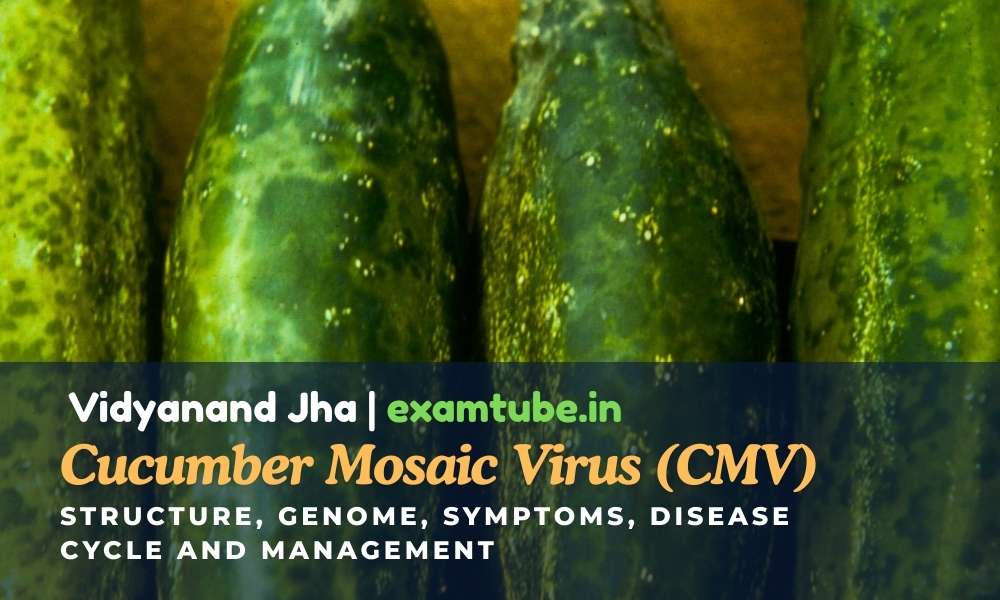
Cucumber Mosaic Virus (CMV): Structure, Genome, Symptoms, Disease Cycle and Management
Cucumber Mosaic Virus (CMV): Introduction and Importance Cucumber Mosaic Virus (CMV) (plant-infecting RNA virus) is one of the most economic...