
Practice question
Question
Type II restriction enzymes:
Explanation
Type II restriction-modification systems consist of separate endonuclease and methyltransferase enzymes recognizing identical sequences. The endonucleases typically recognize four to eight base pair palindromic sequences possessing twofold rotational symmetry and cleave phosphodiester bonds either within the palindrome or close to it, yielding defined blunt or sticky ends. Activity requires only magnesium ions as cofactor, independent of ATP or S-adenosylmethionine. Their precision, consistent fragmentation pattern, and ability to generate predictable termini make Type II enzymes indispensable tools for mapping, subcloning, genotyping, and recombinant DNA assembly in biotechnology.
Related blogs
Guides and insights connected to this topic
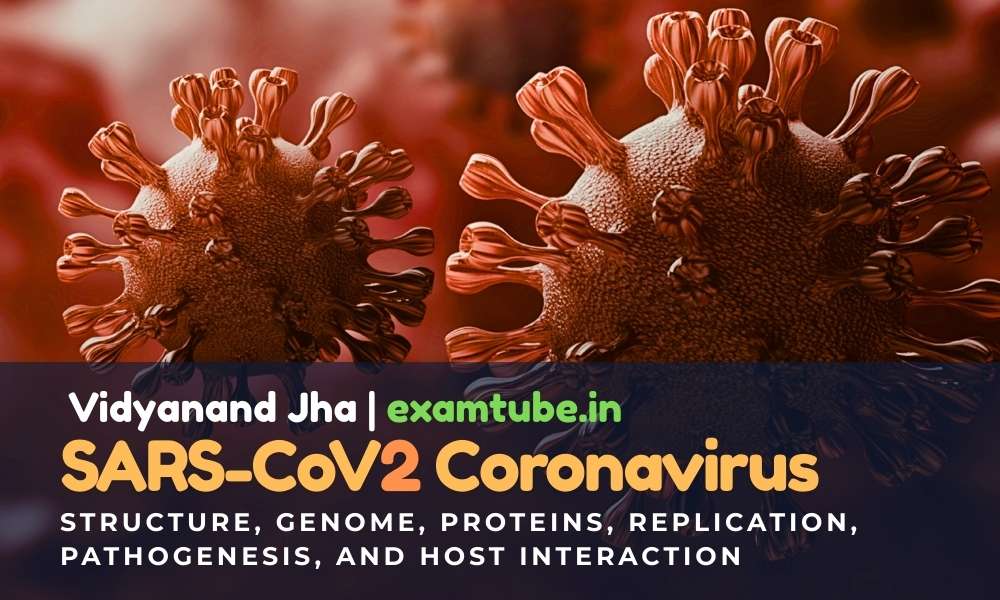
SARS-CoV-2 Coronavirus: Structure, Genome, Proteins, Replication, Pathogenesis, and Host Interaction
Coronavirus Overview Coronaviruses (CoVs) are enveloped viruses (surrounded by a lipid membrane derived from host cells), belonging to the s...

Coronavirus Structure, Genome, Replication, Symptoms, Pathogenesis, and Prevention
Structure of Coronavirus Coronaviruses (enveloped RNA viruses) fall in the virus family Coronaviridae, order Nidovirales. They are enveloped...

Cucumber Mosaic Virus (CMV): Structure, Genome, Symptoms, Disease Cycle and Management
Cucumber Mosaic Virus (CMV): Introduction and Importance Cucumber Mosaic Virus (CMV) (plant-infecting RNA virus) is one of the most economic...