
Practice question
Question
The process of succession is driven by:
Explanation
Species interactions are major drivers of succession because organisms change both the physical environment and one another’s probability of establishment and survival. Pioneer plants may facilitate successors by building soil, adding nitrogen, or providing shade. Residents may instead inhibit newcomers through competition, allelopathy, or occupation of space. In tolerance pathways, later species establish independently but ultimately prevail because they survive low light or resources better. Herbivory, predation, mutualism, and decomposition also redirect trajectories. The keyed choice highlights this biotic mechanism, but succession is not driven by interactions alone. Disturbance creates or resets sites, dispersal determines which species arrive, and abiotic conditions filter which can persist; the workbook itself later recognizes this fuller combination. Mutation and evolution can influence traits over longer periods, while “migration only” omits establishment filters and local dynamics. Therefore, species interactions are the best offered driver, provided they are understood as operating with disturbance, dispersal, and environmental constraints rather than as an exclusive cause.
Related blogs
Guides and insights connected to this topic
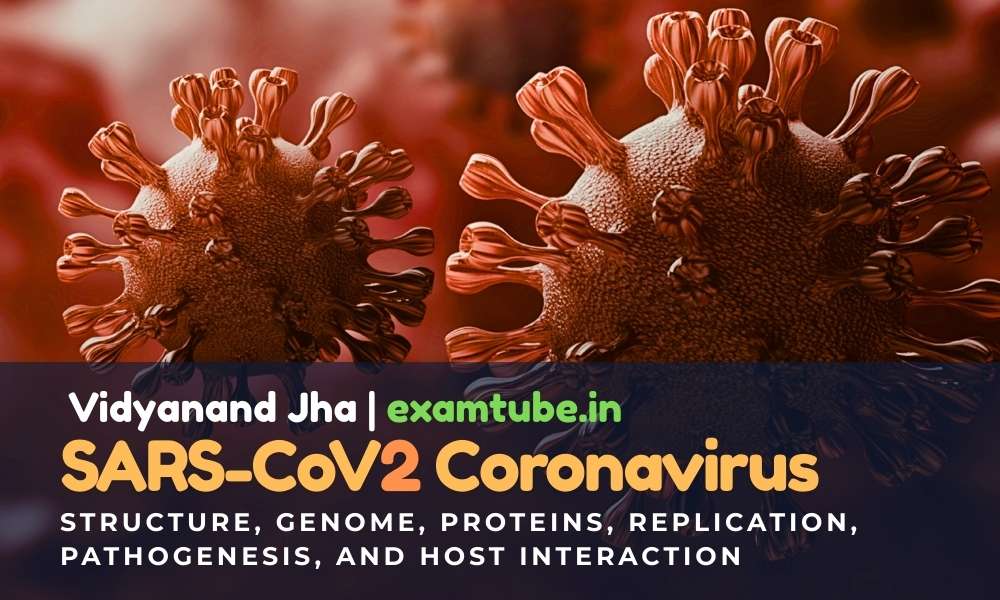
SARS-CoV-2 Coronavirus: Structure, Genome, Proteins, Replication, Pathogenesis, and Host Interaction
Coronavirus Overview Coronaviruses (CoVs) are enveloped viruses (surrounded by a lipid membrane derived from host cells), belonging to the s...

Coronavirus Structure, Genome, Replication, Symptoms, Pathogenesis, and Prevention
Structure of Coronavirus Coronaviruses (enveloped RNA viruses) fall in the virus family Coronaviridae, order Nidovirales. They are enveloped...
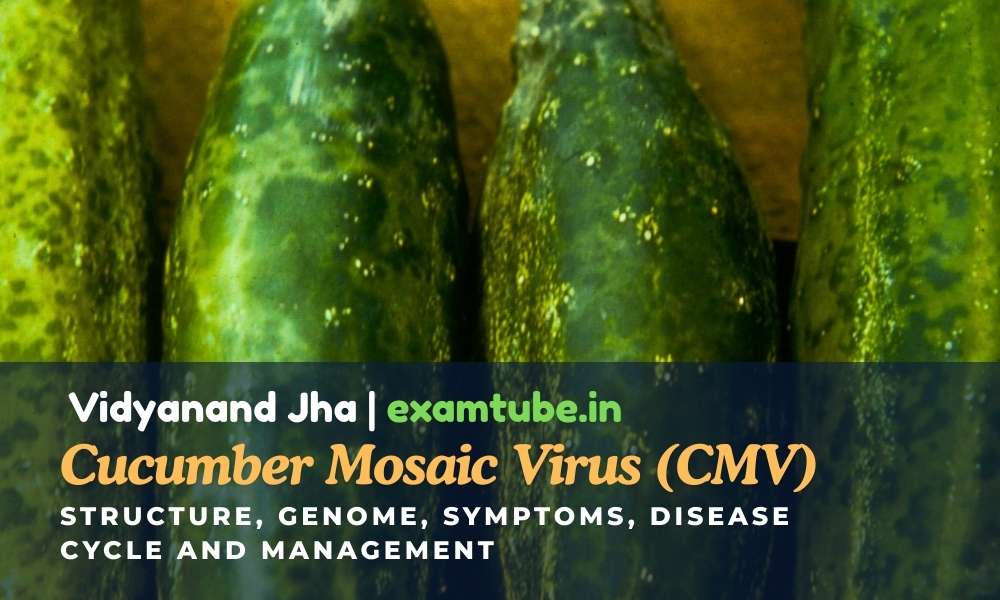
Cucumber Mosaic Virus (CMV): Structure, Genome, Symptoms, Disease Cycle and Management
Cucumber Mosaic Virus (CMV): Introduction and Importance Cucumber Mosaic Virus (CMV) (plant-infecting RNA virus) is one of the most economic...