
Practice question
Question
Tetradynamous stamens are characteristic of
Explanation
Tetradynamous androecium refers to six free stamens arranged in two whorls, four long medial and two short lateral, reflecting cruciform floral architecture of Brassicaceae. Length heteromorphy ensures outcrossing by positioning anthers at different levels relative to stigma and promoting sequential pollen release. Solanaceae possesses five epipetalous stamens, Malvaceae monadelphous indefinite stamens, Fabaceae diadelphous (9)+1. Tetradynamous condition is stable in Brassica nigra, Raphanus sativus and Capsella bursa-pastoris, consistently associated with K2+2 sepals, C4 cruciate corolla, bicarpellary ovary with false septum replum and parietal placentation.
Related blogs
Guides and insights connected to this topic

SARS-CoV-2 Coronavirus: Structure, Genome, Proteins, Replication, Pathogenesis, and Host Interaction
Coronavirus Overview Coronaviruses (CoVs) are enveloped viruses (surrounded by a lipid membrane derived from host cells), belonging to the s...

Cucumber Mosaic Virus (CMV): Structure, Genome, Symptoms, Disease Cycle and Management
Cucumber Mosaic Virus (CMV): Introduction and Importance Cucumber Mosaic Virus (CMV) (plant-infecting RNA virus) is one of the most economic...
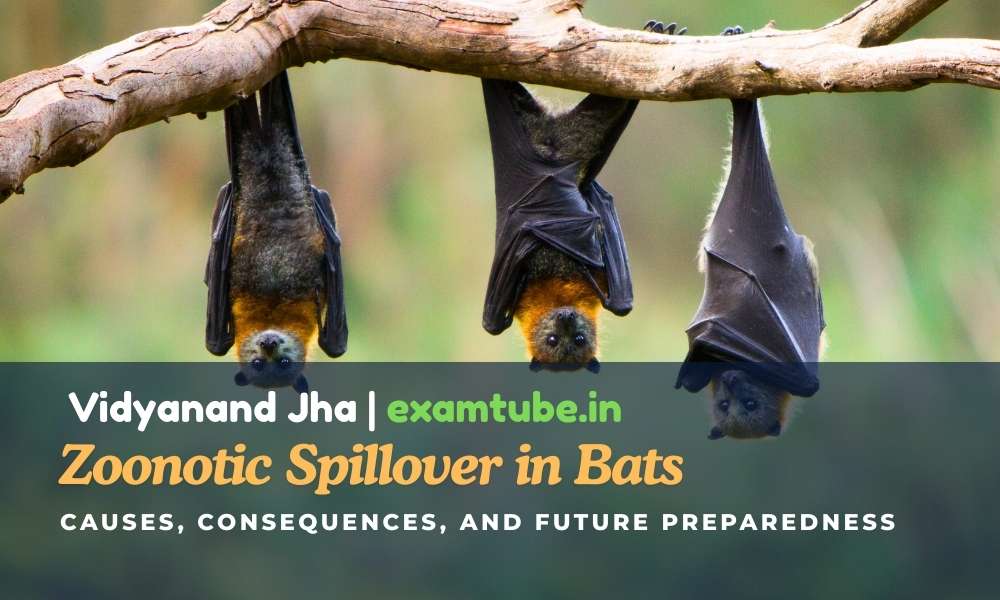
Zoonotic Spillover in Bats: Causes, Consequences, and Future Preparedness
Bats: General Characteristics and Classification Bats are small mammals capable of true sustained flight. They belong to the second-largest...