
Practice question
Question
Retrohoming involves
Explanation
Retrohoming describes mobility mechanism of Group II introns encoding reverse transcriptase and sometimes endonuclease in same polypeptide. Pathway initiates with intron RNA reverse splicing into single-stranded DNA target, then using target 3' end as primer, intron-encoded RT reverse-transcribes intron RNA into cDNA. Second strand synthesized by host repair polymerase. Thus retrohoming depends on reverse transcription converting RNA intermediate to DNA, producing permanent insertion. This retromobility inspired development of targetron gene editing biotechnology for site-specific gene disruption in bacteria. This refined regulation supports accurate ribosomal assembly, quality control and translational fidelity under diverse physiological conditions and growth states.
Related blogs
Guides and insights connected to this topic
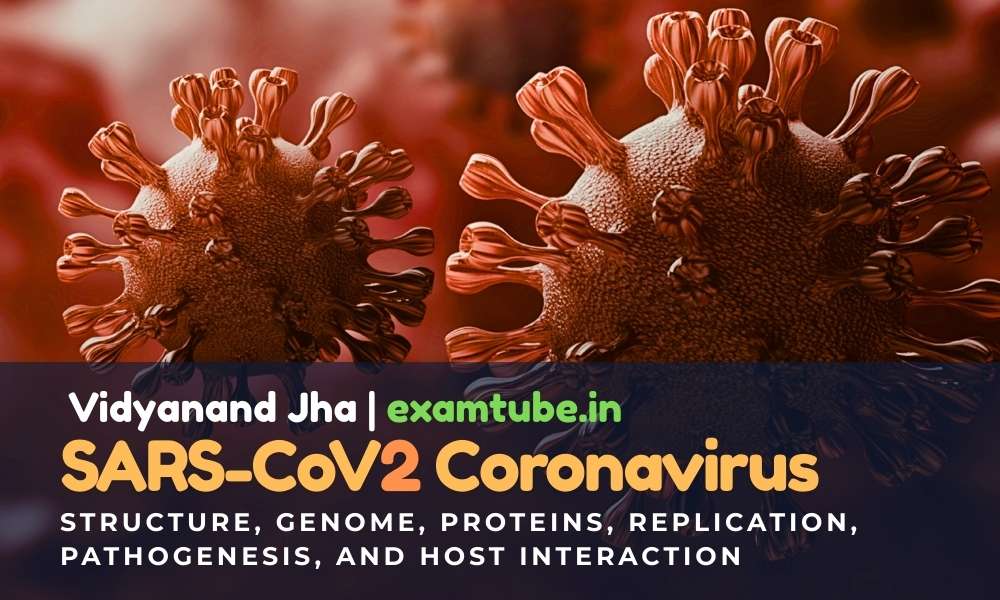
SARS-CoV-2 Coronavirus: Structure, Genome, Proteins, Replication, Pathogenesis, and Host Interaction
Coronavirus Overview Coronaviruses (CoVs) are enveloped viruses (surrounded by a lipid membrane derived from host cells), belonging to the s...

Coronavirus Structure, Genome, Replication, Symptoms, Pathogenesis, and Prevention
Structure of Coronavirus Coronaviruses (enveloped RNA viruses) fall in the virus family Coronaviridae, order Nidovirales. They are enveloped...

Cucumber Mosaic Virus (CMV): Structure, Genome, Symptoms, Disease Cycle and Management
Cucumber Mosaic Virus (CMV): Introduction and Importance Cucumber Mosaic Virus (CMV) (plant-infecting RNA virus) is one of the most economic...