
Practice question
Question
Phoronids are commonly known as
Explanation
Phoronida comprise small exclusively marine vermiform coelomate phylum commonly called horseshoe worms because lophophore typically forms horseshoe-shaped crown of hollow tentacles encircling mouth, especially in Phoronis ovalis though other species show spiral coil with many tentacles. Body differentiated into minute prosome, mesosome bearing lophophore, elongate metasome enclosed in self-secreted tubiculous chitinous tube often impregnated with sand, attached to hard substrate. Feed via ciliary downstream collection, possess U-shaped gut, closed circulation with hemoglobin, actinotrocha larva pelagic. Horseshoe epithet describes tentacular disposition, not overall worm shape, indicating feeding geometry adapted for sessile suspension feeding.
Related blogs
Guides and insights connected to this topic

Coronavirus Structure, Genome, Replication, Symptoms, Pathogenesis, and Prevention
Structure of Coronavirus Coronaviruses (enveloped RNA viruses) fall in the virus family Coronaviridae, order Nidovirales. They are enveloped...
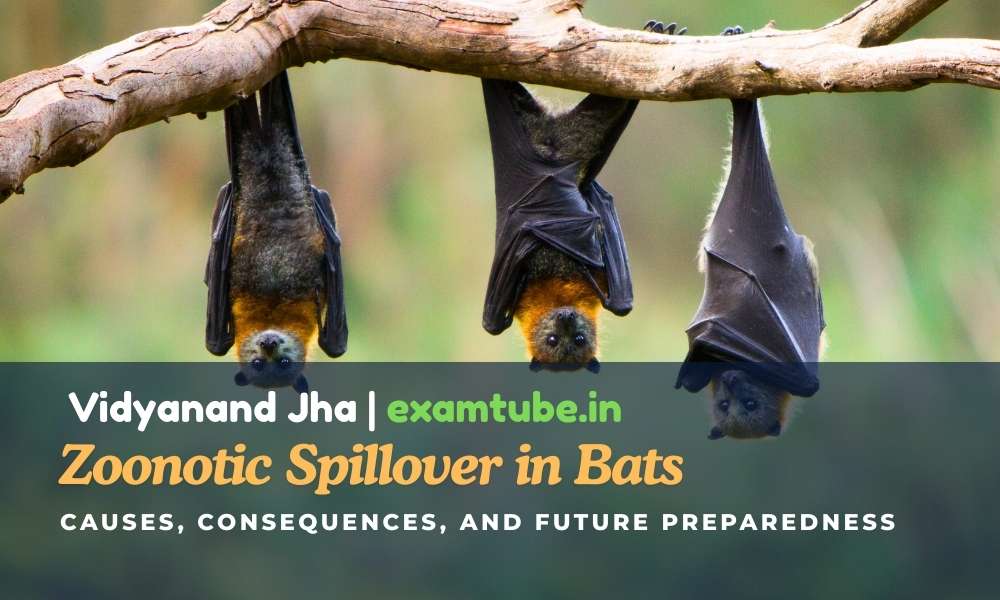
Zoonotic Spillover in Bats: Causes, Consequences, and Future Preparedness
Bats: General Characteristics and Classification Bats are small mammals capable of true sustained flight. They belong to the second-largest...

Crimean-Congo Hemorrhagic Fever Virus (CCHFV): Transmission, Replication, Pathogenesis, Clinical Features, Diagnosis, Treatment, and Prevention
Structure of Crimean-Congo Hemorrhagic Fever Virus Crimean-Congo hemorrhagic fever virus (– causative agent of CCHF) falls under the family...