
Practice question
Question
No-go decay occurs due to:
Explanation
No-go decay NGD resolves stalled elongation complexes blocked by strong structures, damaged bases, rare codons, or adducts. Colliding ribosomes upstream recognized by Pelota Dom34 and Hbs1 GTPase resembling termination factors, facilitating endonucleolytic cleavage near stall site via Cue2 nuclease activated by ubiquitination of uS3, uS10 by Hel2 ligase. Resulting fragments degraded by exosome and Xrn1, nascent peptide ubiquitinated and degraded proteasomally. NGD prevents ribosome sequestration maintaining translational capacity and avoids accumulation of incomplete aggregation-prone polypeptides. Distinct from NMD triggered by premature termination, NGD specificity for elongation arrest maintains proteostasis and ribosome recycling efficiency under stress.
Related blogs
Guides and insights connected to this topic
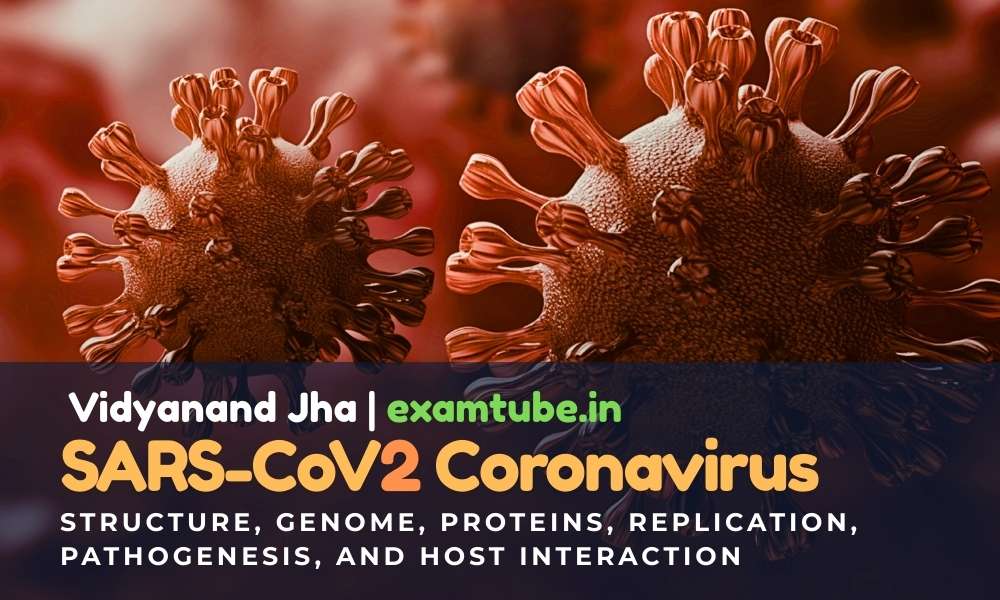
SARS-CoV-2 Coronavirus: Structure, Genome, Proteins, Replication, Pathogenesis, and Host Interaction
Coronavirus Overview Coronaviruses (CoVs) are enveloped viruses (surrounded by a lipid membrane derived from host cells), belonging to the s...

Coronavirus Structure, Genome, Replication, Symptoms, Pathogenesis, and Prevention
Structure of Coronavirus Coronaviruses (enveloped RNA viruses) fall in the virus family Coronaviridae, order Nidovirales. They are enveloped...
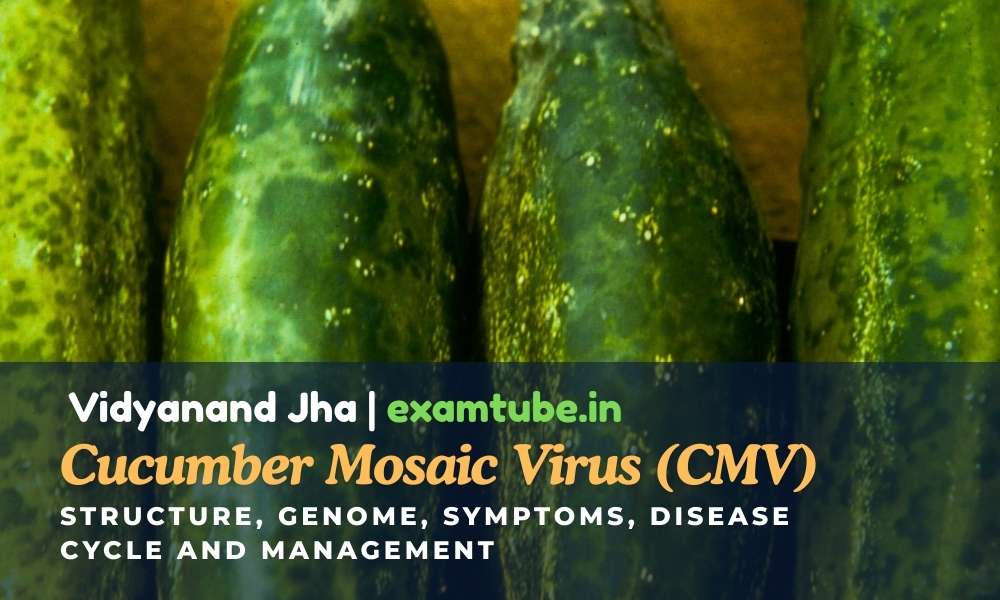
Cucumber Mosaic Virus (CMV): Structure, Genome, Symptoms, Disease Cycle and Management
Cucumber Mosaic Virus (CMV): Introduction and Importance Cucumber Mosaic Virus (CMV) (plant-infecting RNA virus) is one of the most economic...