
Practice question
Question
Lagging strand synthesis is
Explanation
Both template strands are antiparallel, but replication fork moves unidirectionally. Leading strand polymerase follows helicase smoothly synthesizing continuously. Lagging strand template runs 5' to 3' toward fork, requiring polymerase to synthesize away from fork advancement. As helicase unwinds parental duplex, new single-stranded DNA exposed discontinuously behind fork. Primase synthesizes short RNA primers at intervals, Pol III extends each into Okazaki fragment that later becomes processed and joined. This semi-discontinuous mode elegantly solves antiparallel constraint without violating fundamental 5' to 3' polymerization chemistry.
Related blogs
Guides and insights connected to this topic

SARS-CoV-2 Coronavirus: Structure, Genome, Proteins, Replication, Pathogenesis, and Host Interaction
Coronavirus Overview Coronaviruses (CoVs) are enveloped viruses (surrounded by a lipid membrane derived from host cells), belonging to the s...

Coronavirus Structure, Genome, Replication, Symptoms, Pathogenesis, and Prevention
Structure of Coronavirus Coronaviruses (enveloped RNA viruses) fall in the virus family Coronaviridae, order Nidovirales. They are enveloped...
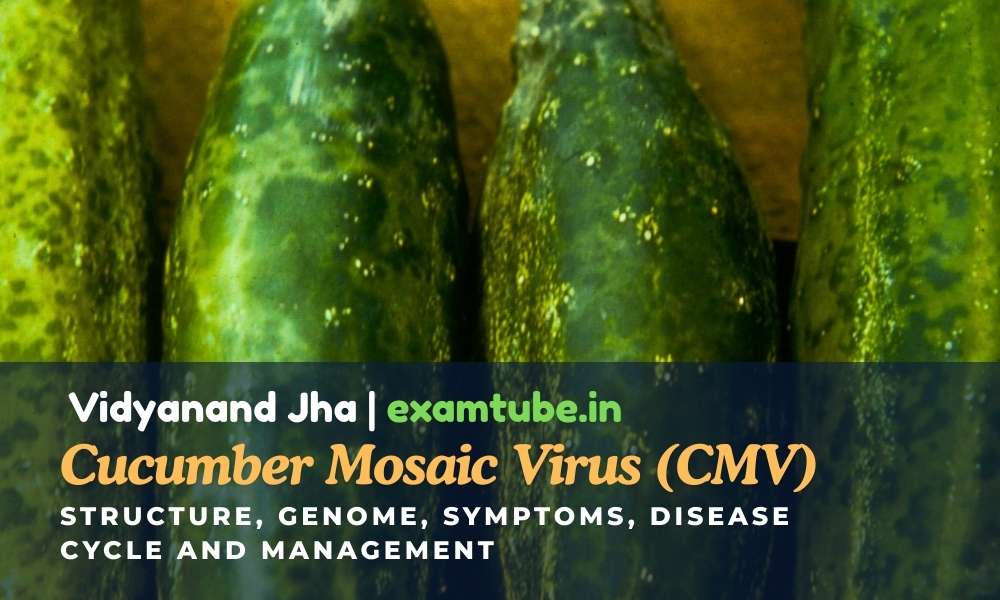
Cucumber Mosaic Virus (CMV): Structure, Genome, Symptoms, Disease Cycle and Management
Cucumber Mosaic Virus (CMV): Introduction and Importance Cucumber Mosaic Virus (CMV) (plant-infecting RNA virus) is one of the most economic...