
Practice question
Question
In Asteraceae, the pappus represents modified
Explanation
In Asteraceae each floret develops on a flattened receptacle surrounded by involucre of bracts, calyx does not form typical green sepals but metamorphoses into pappus comprising bristles, scales or plumose hairs crowning the inferior ovary. Ontogenetically a ring primordium at corolla base expresses sepal identity genes, considered modified calyx acting for fruit dispersal by wind or epizoochory. Petals form ligulate or tubular corolla, stamens syngenesious, bracts form involucre. Thus pappus homology as calyx derivative explains absence of conventional sepals in sunflower cypsela and functional replacement by dispersal apparatus.
Related blogs
Guides and insights connected to this topic

SARS-CoV-2 Coronavirus: Structure, Genome, Proteins, Replication, Pathogenesis, and Host Interaction
Coronavirus Overview Coronaviruses (CoVs) are enveloped viruses (surrounded by a lipid membrane derived from host cells), belonging to the s...

Coronavirus Structure, Genome, Replication, Symptoms, Pathogenesis, and Prevention
Structure of Coronavirus Coronaviruses (enveloped RNA viruses) fall in the virus family Coronaviridae, order Nidovirales. They are enveloped...
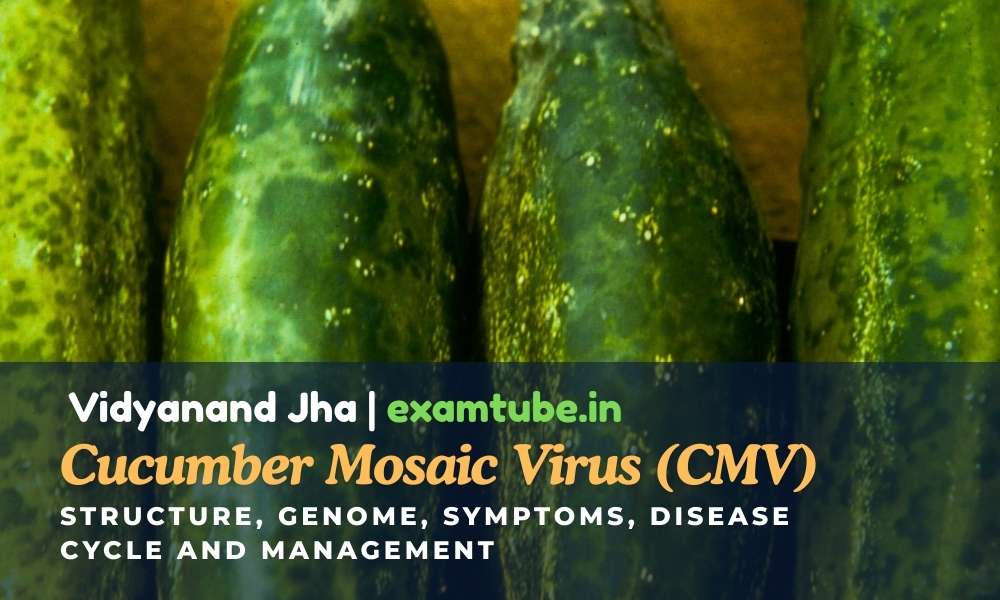
Cucumber Mosaic Virus (CMV): Structure, Genome, Symptoms, Disease Cycle and Management
Cucumber Mosaic Virus (CMV): Introduction and Importance Cucumber Mosaic Virus (CMV) (plant-infecting RNA virus) is one of the most economic...