
Practice question
Question
Hybrid dysgenesis occurs when
Explanation
Hybrid dysgenesis manifests when P-strain males bearing 30-50 euchromatic P elements are crossed to M-strain females lacking P elements and corresponding piRNA mediated repression. Maternal piRNAs normally deposited in oocyte cytoplasm silence transposons; M females lack these, so progeny germline experiences derepressed P transposase activity causing rampant cut-and-paste mobilization generating double-strand breaks, mutations, and sterility known as gonadal dysgenesis. Reciprocal cross with P female provides piRNAs suppressing transposition, yielding fertile progeny demonstrating cytoplasmic inheritance of transposon control via small RNAs. This principle illustrates essential molecular mechanisms governing replication fidelity and mutation fixation relevant for exam interpretation.
Related blogs
Guides and insights connected to this topic
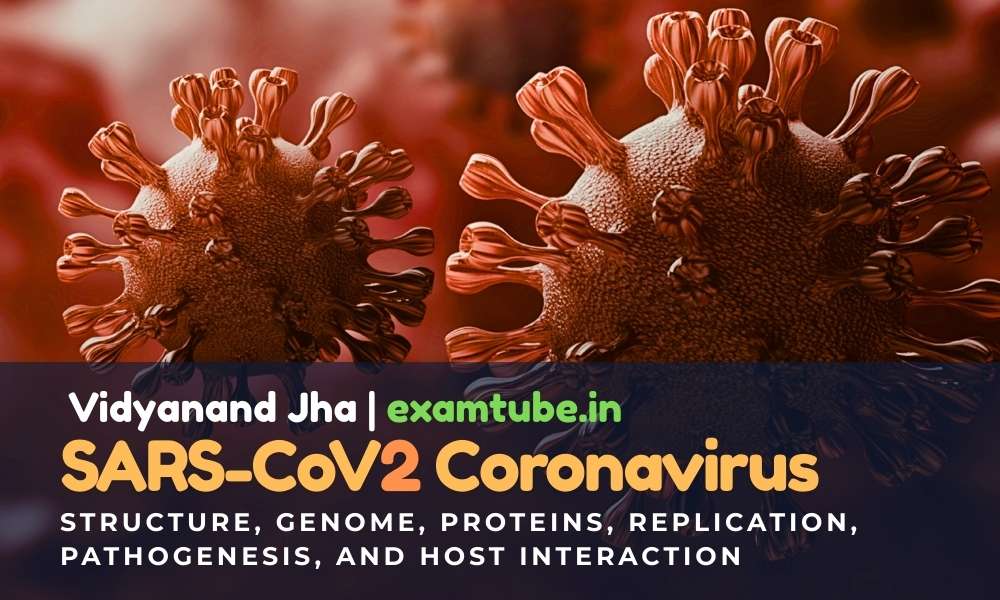
SARS-CoV-2 Coronavirus: Structure, Genome, Proteins, Replication, Pathogenesis, and Host Interaction
Coronavirus Overview Coronaviruses (CoVs) are enveloped viruses (surrounded by a lipid membrane derived from host cells), belonging to the s...

Coronavirus Structure, Genome, Replication, Symptoms, Pathogenesis, and Prevention
Structure of Coronavirus Coronaviruses (enveloped RNA viruses) fall in the virus family Coronaviridae, order Nidovirales. They are enveloped...

Cucumber Mosaic Virus (CMV): Structure, Genome, Symptoms, Disease Cycle and Management
Cucumber Mosaic Virus (CMV): Introduction and Importance Cucumber Mosaic Virus (CMV) (plant-infecting RNA virus) is one of the most economic...