
Practice question
Question
Deamination of adenine produces
Explanation
Deamination of adenine at C6 position converts adenine to hypoxanthine, purine retaining six-membered ring but bearing O6 carbonyl instead of amino group, resembling guanine pairing behavior. Hypoxanthine forms stable base pair with cytosine through two hydrogen bonds rather than thymine, prompting incorporation of C opposite lesion during replication. Subsequent synthesis places G opposite C, converting original A:T to G:C transition. Nitrous acid and alkaline conditions promote such deamination, and hypoxanthine removal relies on alkyladenine glycosylase in base excision repair. This principle illustrates essential molecular mechanisms governing replication fidelity and mutation fixation relevant for exam interpretation.
Related blogs
Guides and insights connected to this topic
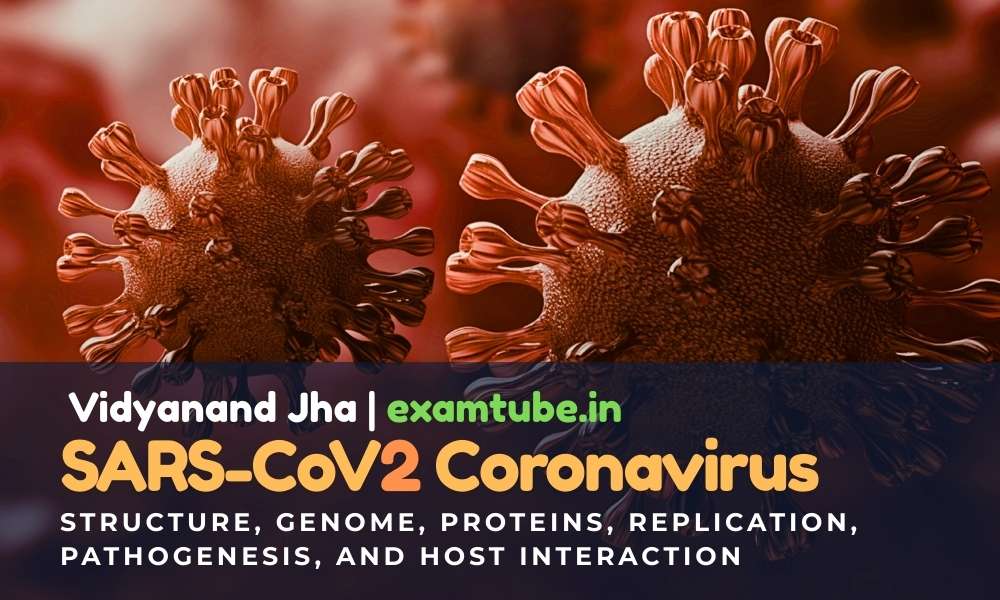
SARS-CoV-2 Coronavirus: Structure, Genome, Proteins, Replication, Pathogenesis, and Host Interaction
Coronavirus Overview Coronaviruses (CoVs) are enveloped viruses (surrounded by a lipid membrane derived from host cells), belonging to the s...

Coronavirus Structure, Genome, Replication, Symptoms, Pathogenesis, and Prevention
Structure of Coronavirus Coronaviruses (enveloped RNA viruses) fall in the virus family Coronaviridae, order Nidovirales. They are enveloped...
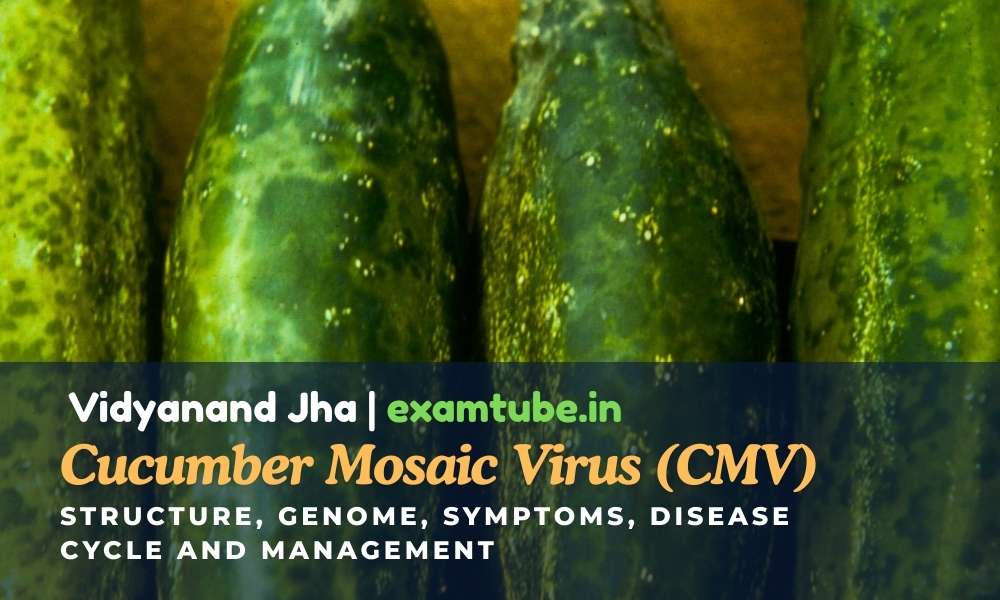
Cucumber Mosaic Virus (CMV): Structure, Genome, Symptoms, Disease Cycle and Management
Cucumber Mosaic Virus (CMV): Introduction and Importance Cucumber Mosaic Virus (CMV) (plant-infecting RNA virus) is one of the most economic...