
Practice question
Question
Chlamydiae are
Explanation
Chlamydiae represent a phylum of obligate intracellular Gram-negative bacteria unable to synthesize ATP and many metabolites, historically termed energy parasites relying on host nucleotide transporters. They display unique biphasic developmental cycle: infectious small elementary body with condensed chromatin and disulfide crosslinked envelope resistant outside host, and replicative large reticulate body metabolically active within membrane-bound inclusion. Reduced genome size around one megabase reflects host dependence. Pathogens Chlamydia trachomatis, pneumoniae, and psittaci cause ocular, genital, respiratory infections, distinct from free-living environmental bacteria.
Related blogs
Guides and insights connected to this topic
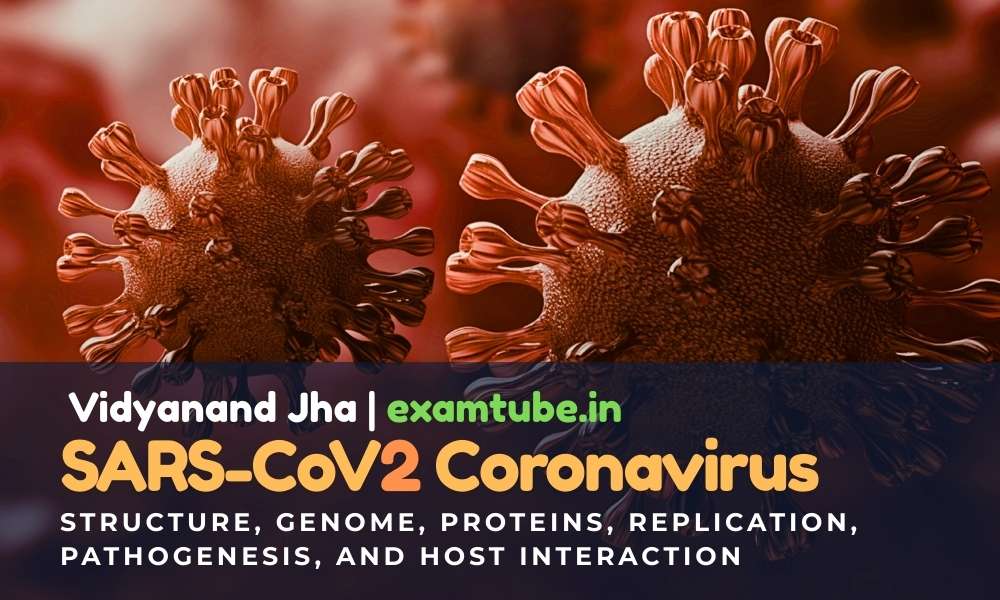
SARS-CoV-2 Coronavirus: Structure, Genome, Proteins, Replication, Pathogenesis, and Host Interaction
Coronavirus Overview Coronaviruses (CoVs) are enveloped viruses (surrounded by a lipid membrane derived from host cells), belonging to the s...

Coronavirus Structure, Genome, Replication, Symptoms, Pathogenesis, and Prevention
Structure of Coronavirus Coronaviruses (enveloped RNA viruses) fall in the virus family Coronaviridae, order Nidovirales. They are enveloped...

Cucumber Mosaic Virus (CMV): Structure, Genome, Symptoms, Disease Cycle and Management
Cucumber Mosaic Virus (CMV): Introduction and Importance Cucumber Mosaic Virus (CMV) (plant-infecting RNA virus) is one of the most economic...