
Practice question
Question
The relationship between ants and aphids is an example of:
Explanation
The ant–aphid association is classed as defensive mutualism because ants protect aphids from predators and parasitoids, while aphids provide carbohydrate-rich honeydew. Aphids excrete honeydew after feeding on sugar-rich phloem sap; attending ants collect it and may stimulate release by antennation. In return, ants attack ladybird beetles, lacewing larvae, or parasitoid wasps, remove dead aphids, and sometimes shelter aphid colonies. Both partners can therefore gain increased fitness: ants acquire an accessible energy source, and aphids experience lower enemy mortality. The interaction is not purely beneficial under all conditions. Ant attendance may constrain aphid dispersal, alter feeding, or promote dense colonies, and benefits depend on ant species, predator pressure, and alternative sugar sources. It is termed defensive rather than simply resource-based because the service emphasized is enemy protection, although a resource exchange accompanies it. Commensalism would require one partner to be unaffected, whereas parasitism would require one to benefit at the other’s net expense.
Related blogs
Guides and insights connected to this topic

SARS-CoV-2 Coronavirus: Structure, Genome, Proteins, Replication, Pathogenesis, and Host Interaction
Coronavirus Overview Coronaviruses (CoVs) are enveloped viruses (surrounded by a lipid membrane derived from host cells), belonging to the s...
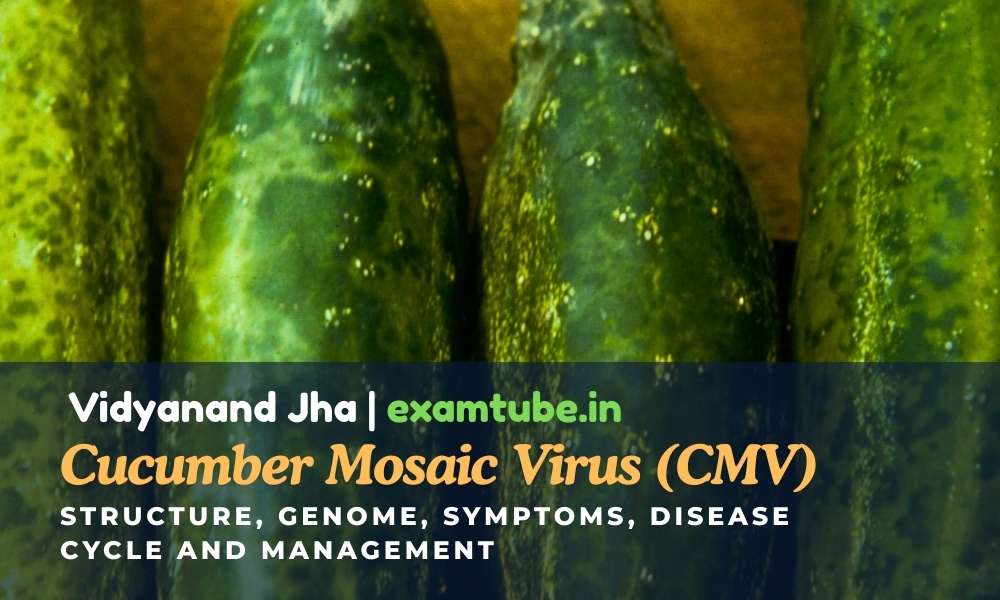
Cucumber Mosaic Virus (CMV): Structure, Genome, Symptoms, Disease Cycle and Management
Cucumber Mosaic Virus (CMV): Introduction and Importance Cucumber Mosaic Virus (CMV) (plant-infecting RNA virus) is one of the most economic...

Zoonotic Spillover in Bats: Causes, Consequences, and Future Preparedness
Bats: General Characteristics and Classification Bats are small mammals capable of true sustained flight. They belong to the second-largest...