
Practice question
Question
Which term defines competition where one organism excludes another without direct interaction?
Explanation
Allelopathy is chemical interference in which one organism releases secondary metabolites that inhibit another organism’s germination, growth, survival, or reproduction. Plants may emit compounds from roots, leach them from leaves, volatilize them, or release them during litter decomposition. The target is excluded without physical confrontation, so allelopathy can contribute to interference competition at a distance. Black walnut juglone and compounds from some invasive plants are commonly discussed examples, although rigorous experiments must separate direct chemical effects from shade, nutrient depletion, soil microbes, and other mechanisms. Phoresy is transport by another organism, metabiosis is use of structures or environmental modifications left by another, and inquilinism is residence in another organism’s dwelling or body without parasitism. The wording “without direct interaction” is imperfect because chemical exposure is still a direct biological effect; it means absence of overt contact or resource capture. If the producer gains through reduced competition, the interaction is competition rather than strict amensalism, even though the immediate mechanism is allelochemical inhibition.
Related blogs
Guides and insights connected to this topic

SARS-CoV-2 Coronavirus: Structure, Genome, Proteins, Replication, Pathogenesis, and Host Interaction
Coronavirus Overview Coronaviruses (CoVs) are enveloped viruses (surrounded by a lipid membrane derived from host cells), belonging to the s...
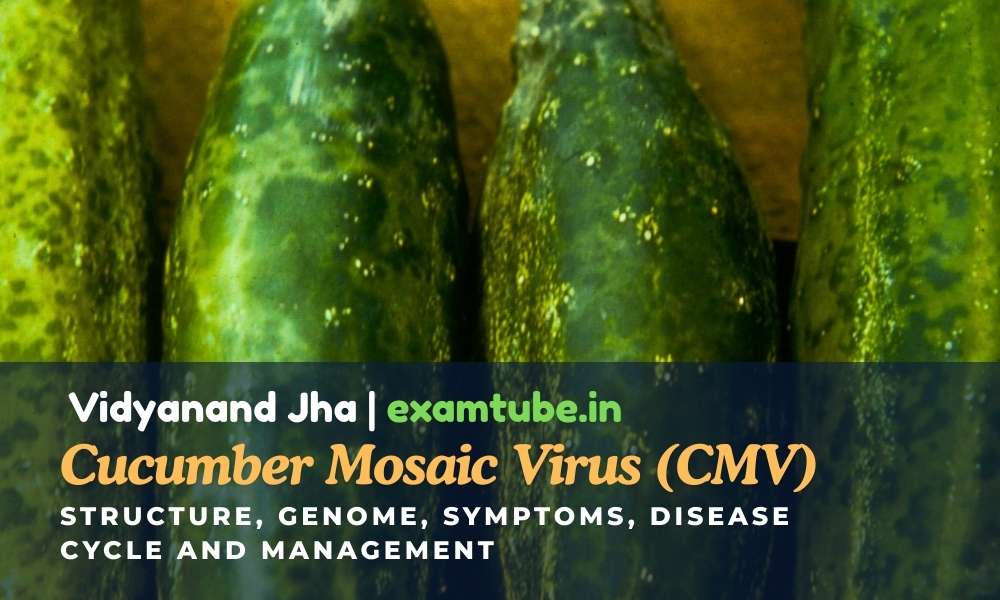
Cucumber Mosaic Virus (CMV): Structure, Genome, Symptoms, Disease Cycle and Management
Cucumber Mosaic Virus (CMV): Introduction and Importance Cucumber Mosaic Virus (CMV) (plant-infecting RNA virus) is one of the most economic...
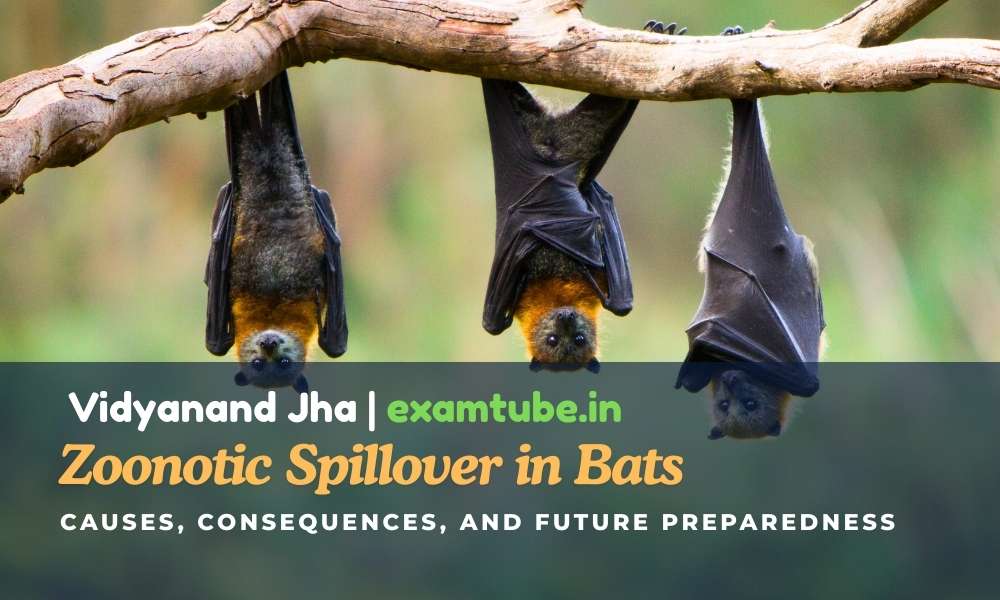
Zoonotic Spillover in Bats: Causes, Consequences, and Future Preparedness
Bats: General Characteristics and Classification Bats are small mammals capable of true sustained flight. They belong to the second-largest...