
Practice question
Question
What is the type of interaction in which ants protect aphids in exchange for honeydew?
Explanation
Ants tending aphids illustrate defensive mutualism. Aphids ingest phloem sap and excrete excess carbohydrate as honeydew, which provides ants with an energy-rich food. Ant workers patrol the colony and attack ladybirds, lacewings, and parasitoid wasps, thereby lowering aphid mortality. Some ants also move aphids to suitable shoots or shelter them during unfavorable conditions. The aphid’s principal service is a resource, whereas the ant’s principal service is defense, so the association is classified by the protective function emphasized. It is not commensalism because both partners can benefit, and it is neither dispersive mutualism nor inquilinism because transport of gametes or simple use of shelter is not central. Benefits remain context dependent: ants may prey on aphids when honeydew is scarce, and attendance can limit aphid dispersal or increase crowding. Mutualism denotes positive net fitness effects under the observed conditions, not permanent cooperation or conscious exchange. Experimental ant exclusion commonly reveals the defensive contribution through increased aphid predation or parasitism.
Related blogs
Guides and insights connected to this topic
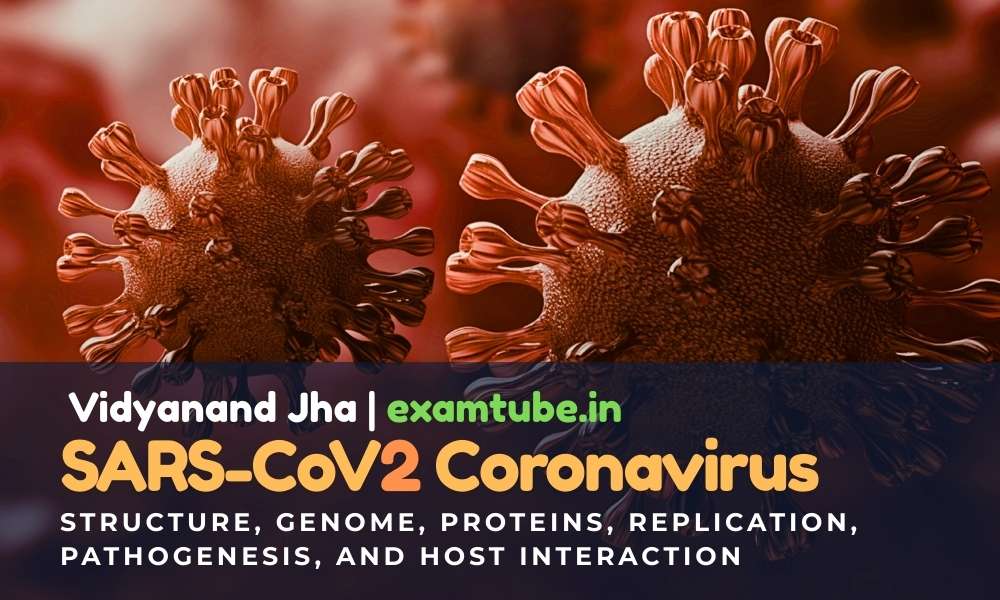
SARS-CoV-2 Coronavirus: Structure, Genome, Proteins, Replication, Pathogenesis, and Host Interaction
Coronavirus Overview Coronaviruses (CoVs) are enveloped viruses (surrounded by a lipid membrane derived from host cells), belonging to the s...
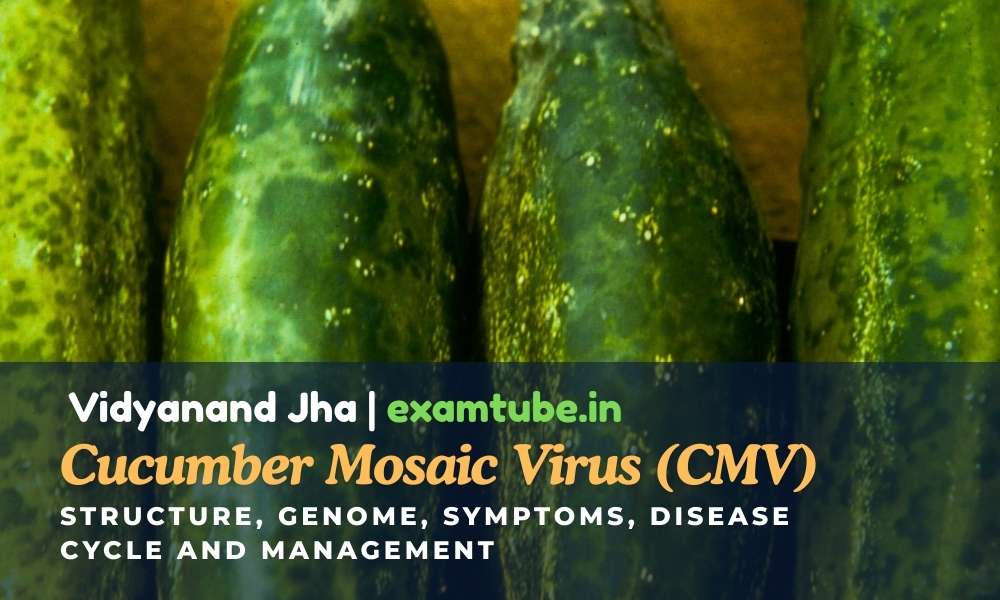
Cucumber Mosaic Virus (CMV): Structure, Genome, Symptoms, Disease Cycle and Management
Cucumber Mosaic Virus (CMV): Introduction and Importance Cucumber Mosaic Virus (CMV) (plant-infecting RNA virus) is one of the most economic...
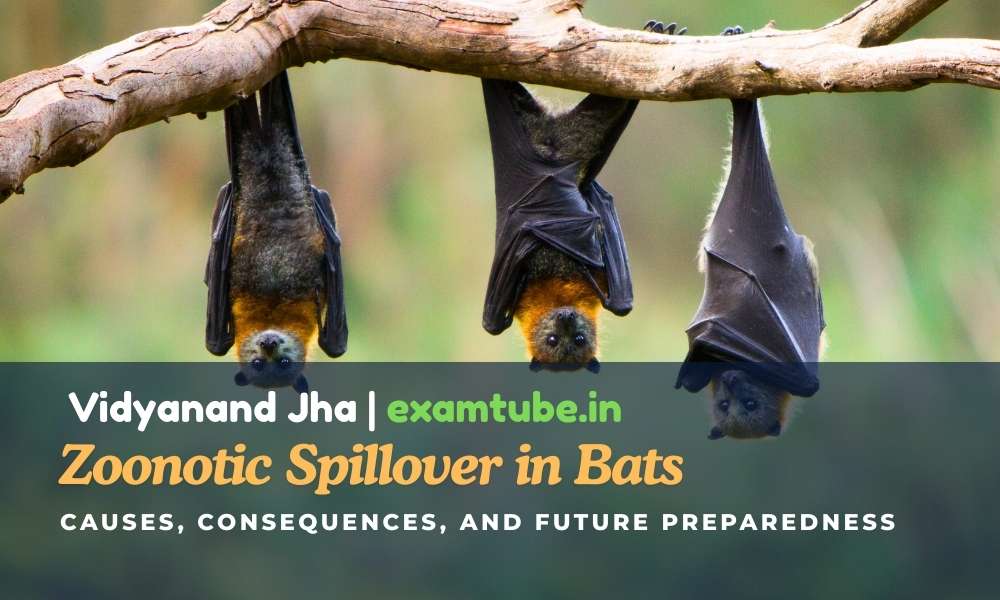
Zoonotic Spillover in Bats: Causes, Consequences, and Future Preparedness
Bats: General Characteristics and Classification Bats are small mammals capable of true sustained flight. They belong to the second-largest...