
Practice question
Question
The mutualistic interaction in lichens is:
Explanation
Lichens are stable symbioses in which a mycobiont, usually an ascomycete fungus, associates with a photosynthetic green alga or cyanobacterium. The photobiont supplies fixed carbon, and a cyanobacterial partner may also fix nitrogen; the fungus provides a structured thallus, mineral capture, water retention, and protection from desiccation or intense radiation. Many lichen-forming fungi are obligately dependent on this lifestyle and are rarely found free-living, supporting the traditional classification as obligate mutualism. The statement nevertheless needs qualification: many photobionts can live independently, some fungal partners can associate with different photobionts, and costs and benefits shift with environmental conditions. Modern work therefore treats lichens as complex, sometimes involving additional fungi and bacteria, rather than a uniformly obligatory two-species partnership. “Defensive” and “dispersive” describe the service exchanged, not the degree of dependence, while facultative would mean both partners can normally complete their life cycles independently. The keyed description reflects the classical fungal perspective but should not be generalized to every lichen participant.
Related blogs
Guides and insights connected to this topic
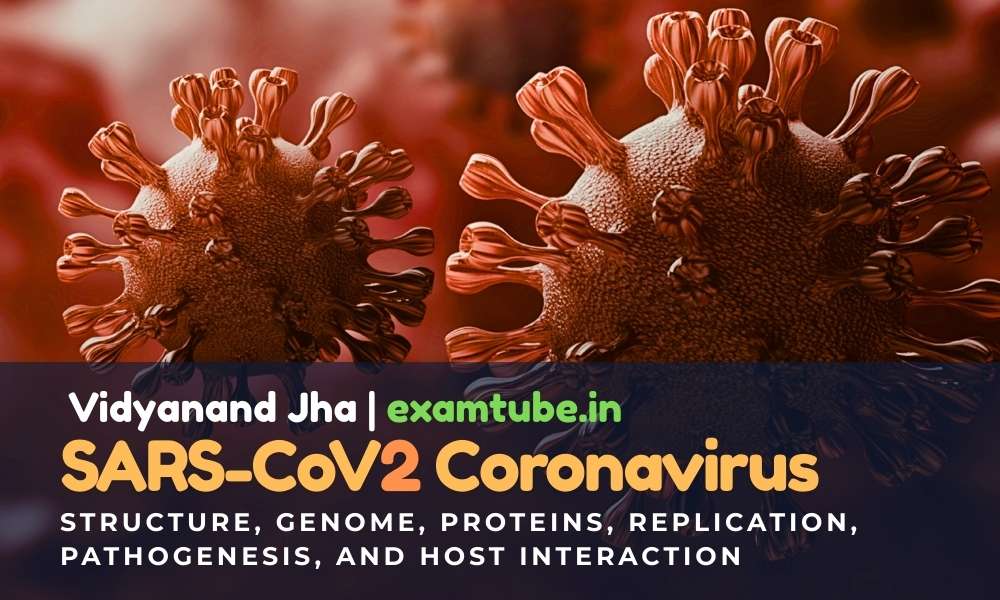
SARS-CoV-2 Coronavirus: Structure, Genome, Proteins, Replication, Pathogenesis, and Host Interaction
Coronavirus Overview Coronaviruses (CoVs) are enveloped viruses (surrounded by a lipid membrane derived from host cells), belonging to the s...
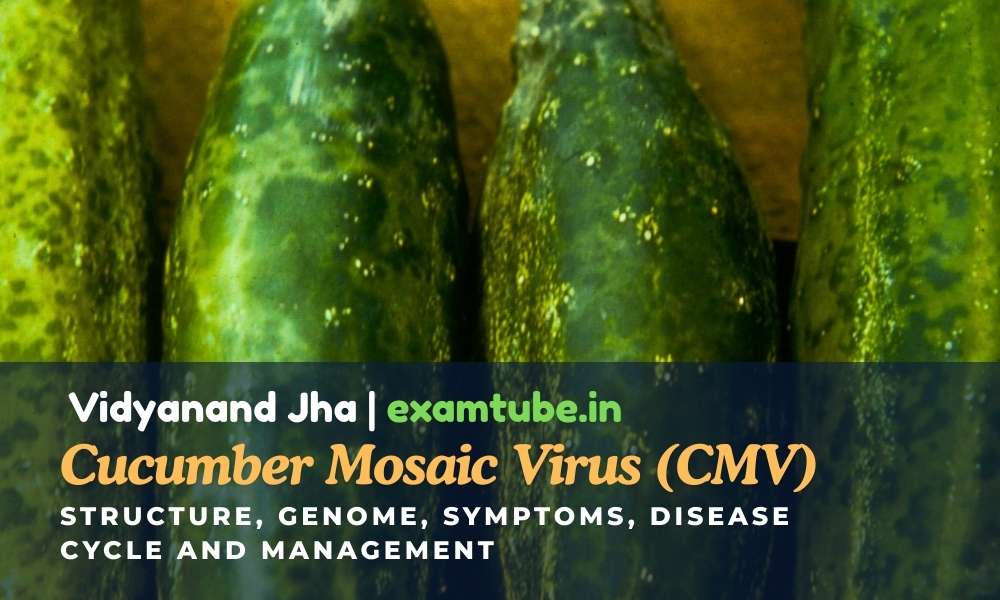
Cucumber Mosaic Virus (CMV): Structure, Genome, Symptoms, Disease Cycle and Management
Cucumber Mosaic Virus (CMV): Introduction and Importance Cucumber Mosaic Virus (CMV) (plant-infecting RNA virus) is one of the most economic...
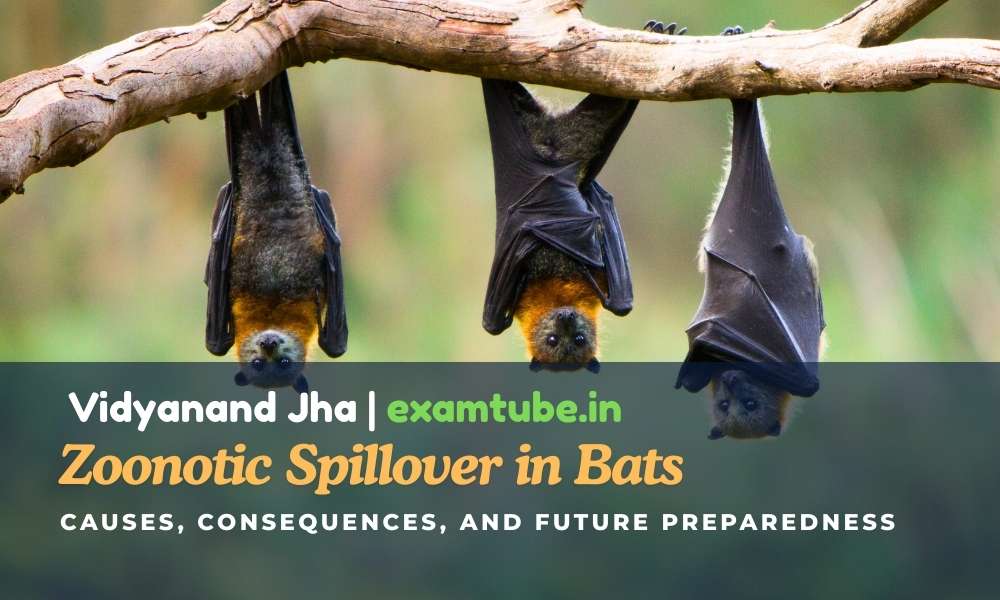
Zoonotic Spillover in Bats: Causes, Consequences, and Future Preparedness
Bats: General Characteristics and Classification Bats are small mammals capable of true sustained flight. They belong to the second-largest...