
Practice question
Question
Cattle stirring insects for cattle egrets is:
Explanation
Cattle egrets often forage near grazing cattle because the mammals’ movement through grass flushes insects and other small animals into view. The bird gains a higher capture rate or reduced search effort, while the cattle are generally assumed to experience neither benefit nor harm. This asymmetrical (+, 0) effect is commensalism. The egret is not consuming tissue from the cattle, so the relationship is not parasitism; its predation is directed at the disturbed insects. Mutualism would require evidence that cattle benefit, perhaps through removal of ectoparasites, but the classic example specifies prey flushed from vegetation rather than parasites taken from the body. “Predation” correctly describes the egret–insect interaction, not the cattle–egret association being classified. The neutrality assumption should be tested rather than presumed because birds could occasionally remove pests or distract livestock. Ecological labels depend on the focal pair and net fitness consequences: one event can simultaneously contain commensalism between cattle and egret and predation between egret and insect.
Related blogs
Guides and insights connected to this topic

SARS-CoV-2 Coronavirus: Structure, Genome, Proteins, Replication, Pathogenesis, and Host Interaction
Coronavirus Overview Coronaviruses (CoVs) are enveloped viruses (surrounded by a lipid membrane derived from host cells), belonging to the s...

Cucumber Mosaic Virus (CMV): Structure, Genome, Symptoms, Disease Cycle and Management
Cucumber Mosaic Virus (CMV): Introduction and Importance Cucumber Mosaic Virus (CMV) (plant-infecting RNA virus) is one of the most economic...
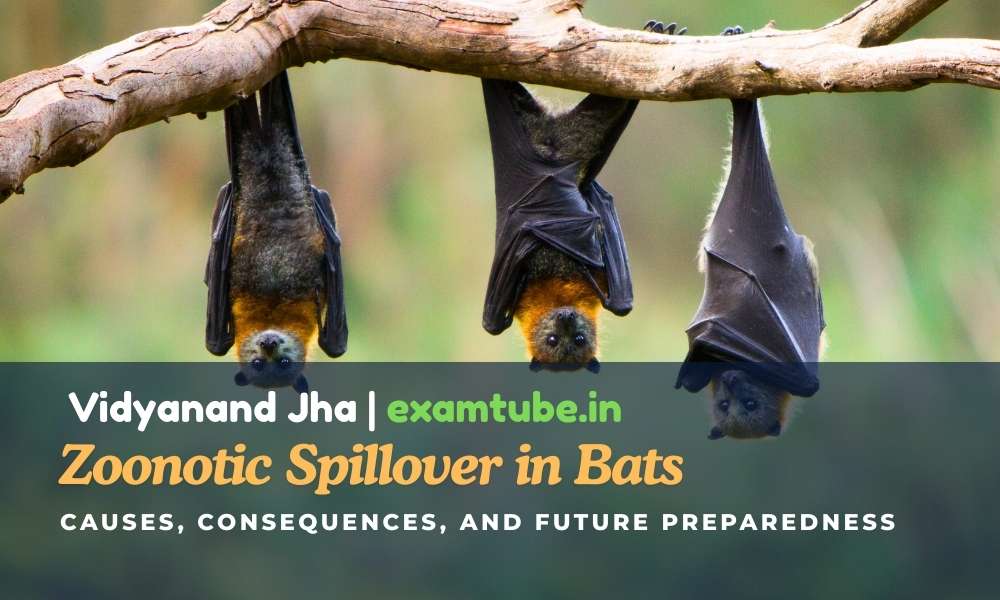
Zoonotic Spillover in Bats: Causes, Consequences, and Future Preparedness
Bats: General Characteristics and Classification Bats are small mammals capable of true sustained flight. They belong to the second-largest...