
Practice question
Question
Remora fish attaching to sharks for food and transport shows:
Explanation
A remora gains transportation and access to food by attaching to a shark with a modified dorsal-fin suction disc. It may consume scraps from the shark’s meals and exploit feeding opportunities encountered during travel. In the traditional interpretation, the remora benefits while the shark experiences little measurable effect, giving the (+, 0) sign pattern of commensalism. The remora does not normally extract host tissue like a parasite, and reciprocal benefit is not required as in mutualism. Some remoras remove ectoparasites or clean wounds, which could benefit the shark and shift particular associations toward mutualism; attachment may also impose drag or irritation, producing a small cost. Consequently, classification depends on the species pair and measured net effects. The textbook example abstracts from those complications and emphasizes food and transport gained without significant influence on the carrier. The same physical association can include phoresy as a mechanism of transport, but commensalism describes the overall fitness outcome between the two organisms rather than the movement mechanism alone.
Related blogs
Guides and insights connected to this topic

SARS-CoV-2 Coronavirus: Structure, Genome, Proteins, Replication, Pathogenesis, and Host Interaction
Coronavirus Overview Coronaviruses (CoVs) are enveloped viruses (surrounded by a lipid membrane derived from host cells), belonging to the s...
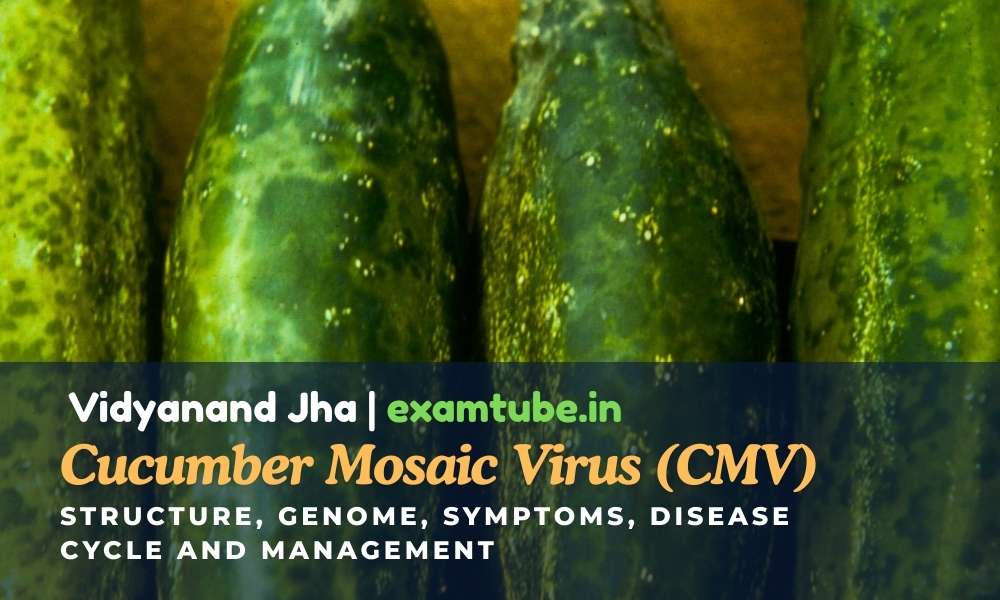
Cucumber Mosaic Virus (CMV): Structure, Genome, Symptoms, Disease Cycle and Management
Cucumber Mosaic Virus (CMV): Introduction and Importance Cucumber Mosaic Virus (CMV) (plant-infecting RNA virus) is one of the most economic...

Zoonotic Spillover in Bats: Causes, Consequences, and Future Preparedness
Bats: General Characteristics and Classification Bats are small mammals capable of true sustained flight. They belong to the second-largest...