
Practice question
Question
What defines Vacuum UV?
Explanation
Vacuum UV refers to wavelengths so energetic that atmospheric oxygen, nitrogen and water vapor absorb strongly, necessitating evacuated optical paths and special detectors. It generally spans below approximately 190 nm down to about 10 nm, where σ→σ* transitions of single bonds and high-energy n→σ* transitions occur with very high molar absorptivity. Standard glass and quartz cuvettes as well as air-filled spectrometers cannot transmit in this region. Fluoride optics, synchrotron sources and purged chambers are required. Biological macromolecules show intense peptide absorption here, but routine assays avoid vacuum UV due to technical constraints, using near UV instead.
Related blogs
Guides and insights connected to this topic
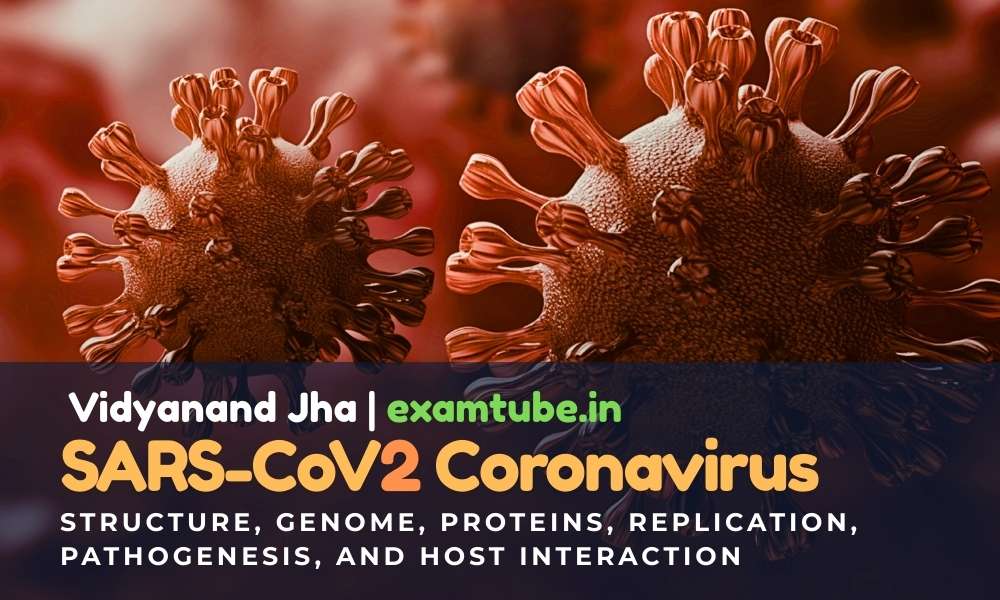
SARS-CoV-2 Coronavirus: Structure, Genome, Proteins, Replication, Pathogenesis, and Host Interaction
Coronavirus Overview Coronaviruses (CoVs) are enveloped viruses (surrounded by a lipid membrane derived from host cells), belonging to the s...
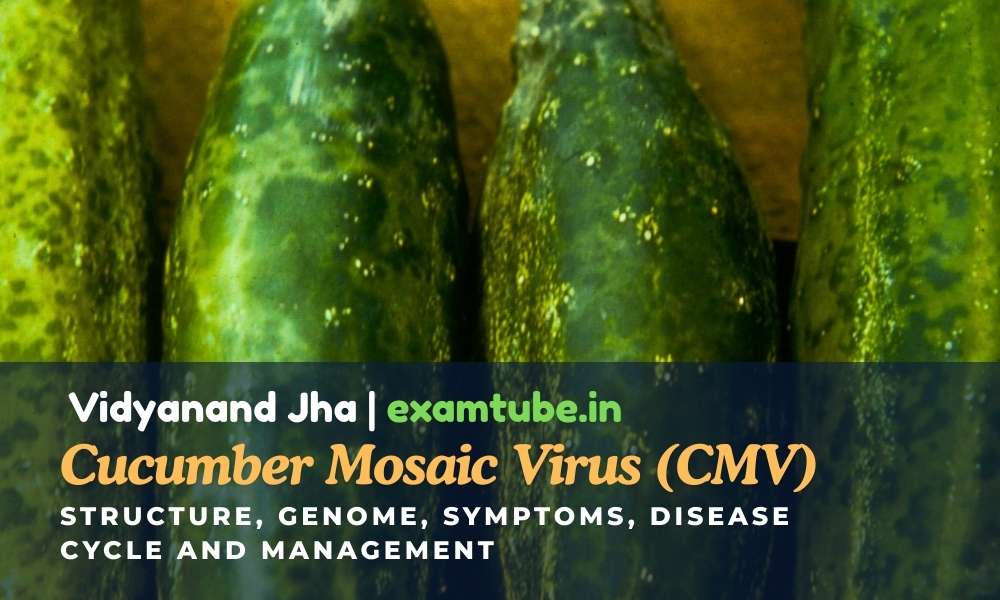
Cucumber Mosaic Virus (CMV): Structure, Genome, Symptoms, Disease Cycle and Management
Cucumber Mosaic Virus (CMV): Introduction and Importance Cucumber Mosaic Virus (CMV) (plant-infecting RNA virus) is one of the most economic...

Zoonotic Spillover in Bats: Causes, Consequences, and Future Preparedness
Bats: General Characteristics and Classification Bats are small mammals capable of true sustained flight. They belong to the second-largest...