
Practice question
Question
The factor that does NOT change allele frequency is
Explanation
Mutation introduces new alleles, genetic drift randomly fluctuates frequencies by finite sampling, and migration introduces alleles via movement between populations, all potentially altering p and q over time. Random mating alone without selection does not change allele frequencies; it only rearranges existing alleles into genotype proportions p squared, two pq, q squared predicted by binomial expansion. By random union of gametes, allele frequencies remain constant across generations, providing Hardy-Weinberg null expectation. Thus random mating influences genotype frequencies while leaving underlying allele frequencies untouched under idealized conditions.
Related blogs
Guides and insights connected to this topic

Coronavirus Structure, Genome, Replication, Symptoms, Pathogenesis, and Prevention
Structure of Coronavirus Coronaviruses (enveloped RNA viruses) fall in the virus family Coronaviridae, order Nidovirales. They are enveloped...
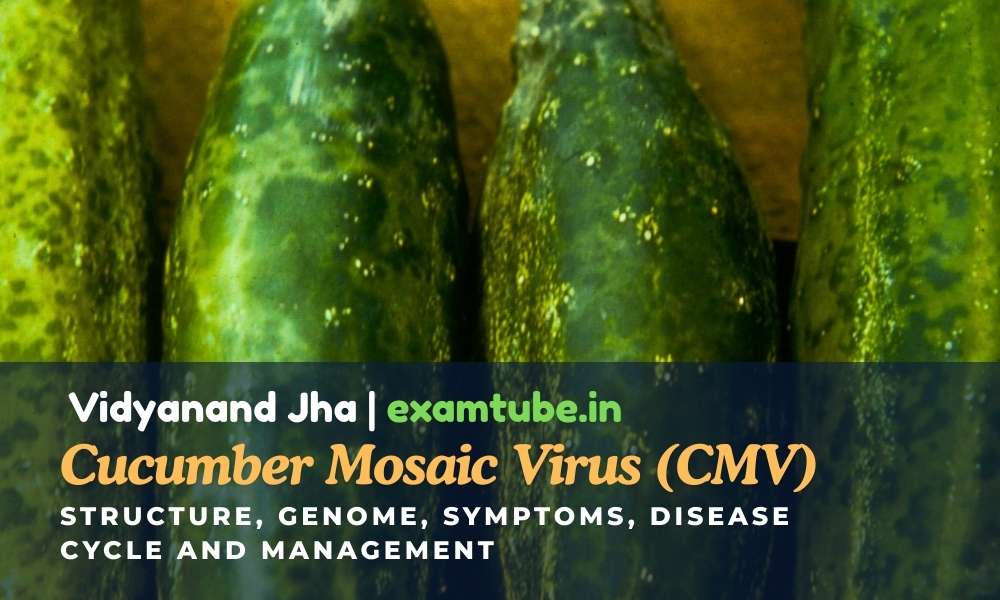
Cucumber Mosaic Virus (CMV): Structure, Genome, Symptoms, Disease Cycle and Management
Cucumber Mosaic Virus (CMV): Introduction and Importance Cucumber Mosaic Virus (CMV) (plant-infecting RNA virus) is one of the most economic...
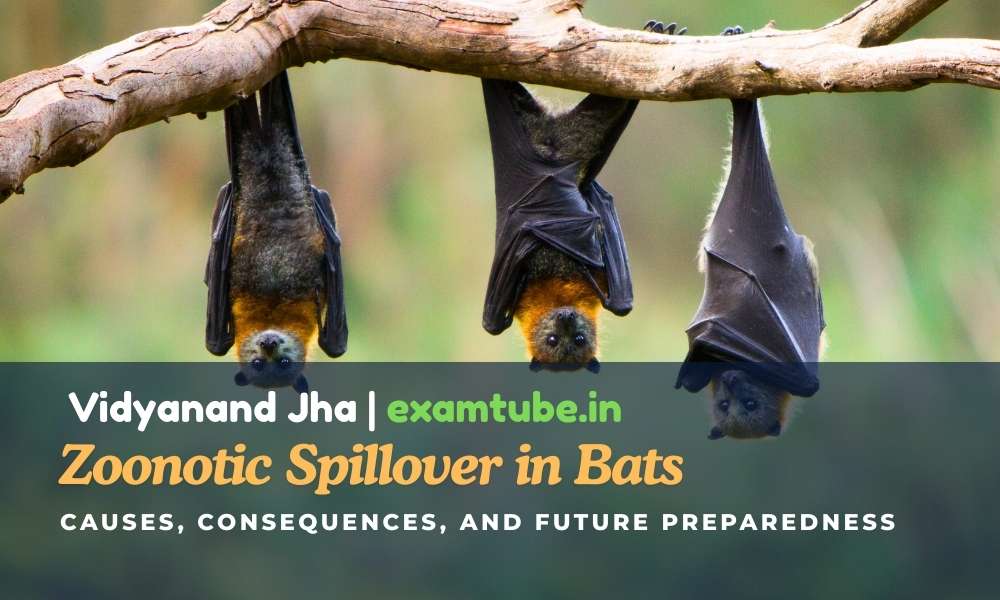
Zoonotic Spillover in Bats: Causes, Consequences, and Future Preparedness
Bats: General Characteristics and Classification Bats are small mammals capable of true sustained flight. They belong to the second-largest...