
Practice question
Question
Oxidative damage commonly produces
Explanation
Cellular respiration generates reactive oxygen species that oxidize guanine at C8 forming 8-oxo-7,8-dihydroguanine, highly mutagenic lesion due to altered glycosidic bond preference. In syn conformation, 8-oxoG pairs with adenine instead of cytosine, causing G:C to T:A transversion after replication if not corrected. OGG1 DNA glycosylase excises 8-oxoG paired with C, while MUTYH removes adenine opposite 8-oxoG, comprising GO repair system. Accumulation links oxidative stress to aging, neurodegeneration, and cancer mutation signatures detected genome-wide. This principle illustrates essential molecular mechanisms governing replication fidelity and mutation fixation relevant for exam interpretation.
Related blogs
Guides and insights connected to this topic
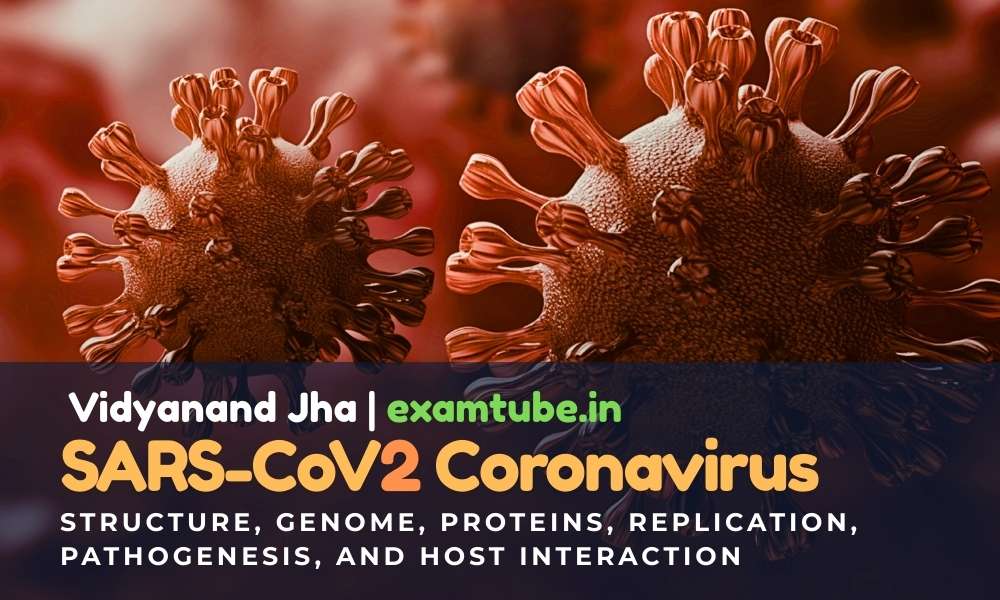
SARS-CoV-2 Coronavirus: Structure, Genome, Proteins, Replication, Pathogenesis, and Host Interaction
Coronavirus Overview Coronaviruses (CoVs) are enveloped viruses (surrounded by a lipid membrane derived from host cells), belonging to the s...

Cucumber Mosaic Virus (CMV): Structure, Genome, Symptoms, Disease Cycle and Management
Cucumber Mosaic Virus (CMV): Introduction and Importance Cucumber Mosaic Virus (CMV) (plant-infecting RNA virus) is one of the most economic...

Zoonotic Spillover in Bats: Causes, Consequences, and Future Preparedness
Bats: General Characteristics and Classification Bats are small mammals capable of true sustained flight. They belong to the second-largest...