
Practice question
Question
Non-disjunction during meiosis I produces gametes that are
Explanation
During meiosis I, homologous chromosomes normally disjoin to opposite poles at anaphase I. Nondisjunction occurs when a bivalent fails to separate, so both homologs migrate to one pole and none to the other. Consequently both secondary oocytes or spermatocytes become aneuploid. After meiosis II, sister chromatids separate normally, but all four resulting gametes carry unbalanced numbers: two gametes are n+1 disomic and two are n-1 nullisomic for that chromosome. Subsequent fertilization produces trisomic or monosomic zygotes with characteristic syndromes and developmental failure.
Related blogs
Guides and insights connected to this topic
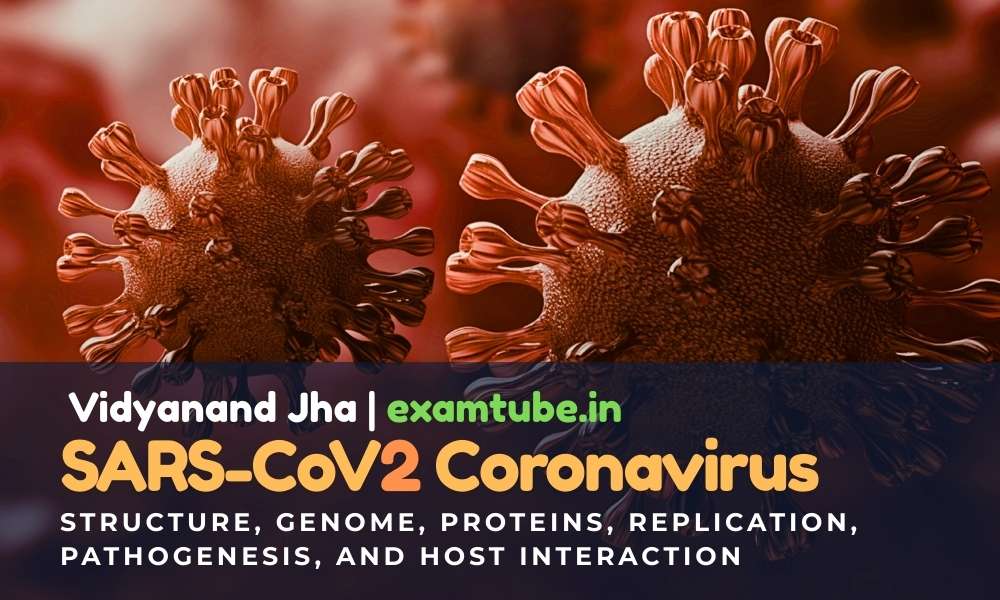
SARS-CoV-2 Coronavirus: Structure, Genome, Proteins, Replication, Pathogenesis, and Host Interaction
Coronavirus Overview Coronaviruses (CoVs) are enveloped viruses (surrounded by a lipid membrane derived from host cells), belonging to the s...

Cucumber Mosaic Virus (CMV): Structure, Genome, Symptoms, Disease Cycle and Management
Cucumber Mosaic Virus (CMV): Introduction and Importance Cucumber Mosaic Virus (CMV) (plant-infecting RNA virus) is one of the most economic...
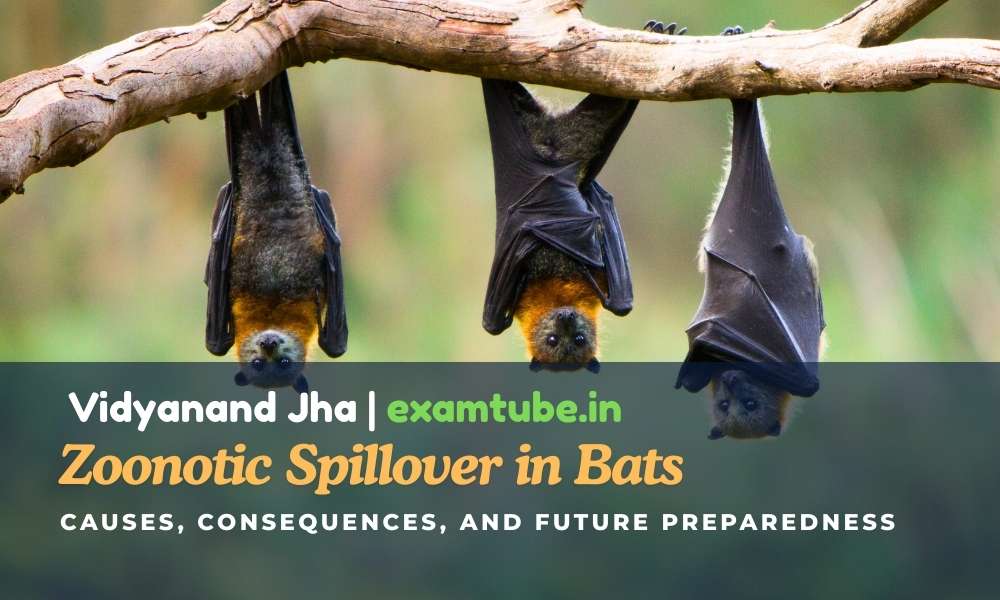
Zoonotic Spillover in Bats: Causes, Consequences, and Future Preparedness
Bats: General Characteristics and Classification Bats are small mammals capable of true sustained flight. They belong to the second-largest...