
Practice question
Question
In Hamilton’s rule, C refers to:
Explanation
Altruism benefits recipient at cost to actor, reducing direct fitness but increasing indirect fitness via relatives sharing genes. Hamilton's rule rb>c predicts altruism evolves when relatedness times benefit exceeds cost. Relatedness 0.5 for siblings, 0.25 for half-sibs, 0.125 for cousins, 0.75 for haplodiploid sisters explains worker sterility in Hymenoptera. Inclusive fitness includes direct plus indirect components. Eusociality, alarm calls and reciprocal altruism exemplify. Hence Cost to altruist captures kin selection logic underlying altruistic behavior. This concept integrates genetics, ecology and molecular evidence, frequently tested in NEET, GATE and CSIR-NET, highlighting links between genotype, phenotype and
Related blogs
Guides and insights connected to this topic
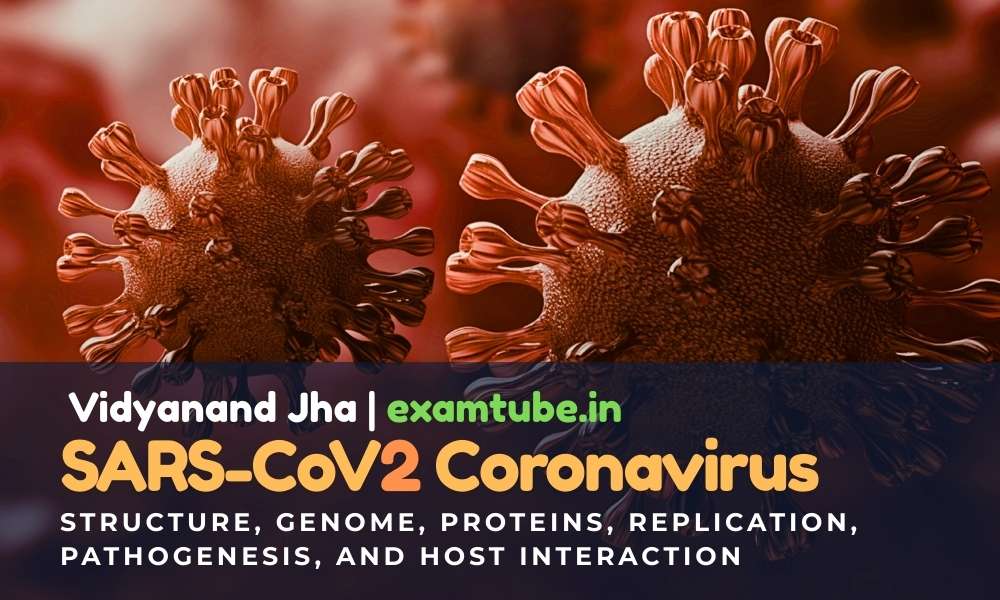
SARS-CoV-2 Coronavirus: Structure, Genome, Proteins, Replication, Pathogenesis, and Host Interaction
Coronavirus Overview Coronaviruses (CoVs) are enveloped viruses (surrounded by a lipid membrane derived from host cells), belonging to the s...

Cucumber Mosaic Virus (CMV): Structure, Genome, Symptoms, Disease Cycle and Management
Cucumber Mosaic Virus (CMV): Introduction and Importance Cucumber Mosaic Virus (CMV) (plant-infecting RNA virus) is one of the most economic...

Zoonotic Spillover in Bats: Causes, Consequences, and Future Preparedness
Bats: General Characteristics and Classification Bats are small mammals capable of true sustained flight. They belong to the second-largest...