
Practice question
Question
Great Indian Bustard is mainly associated with
Explanation
Great Indian Bustard Ardeotis nigriceps, critically endangered flagship of dry grasslands, historically distributed across 11 states but now confined mainly to desert zone landscapes with open short grass, scattered shrubs, and minimal human disturbance. Indian Desert Zone including Desert National Park Jaisalmer preserves ideal habitat of sewan Lasiurus scindicus grasslands where bustard displays lekking, feeds on insects, seeds, reptiles. Grassland degradation due to overgrazing, agricultural conversion, and power lines threatens survival. Desert zone association underscores importance of protecting non-forest biomes. Examinations emphasize this concept because it underpins correct interpretation of phylogenetic relationships and evolutionary systematics.
Related blogs
Guides and insights connected to this topic

SARS-CoV-2 Coronavirus: Structure, Genome, Proteins, Replication, Pathogenesis, and Host Interaction
Coronavirus Overview Coronaviruses (CoVs) are enveloped viruses (surrounded by a lipid membrane derived from host cells), belonging to the s...
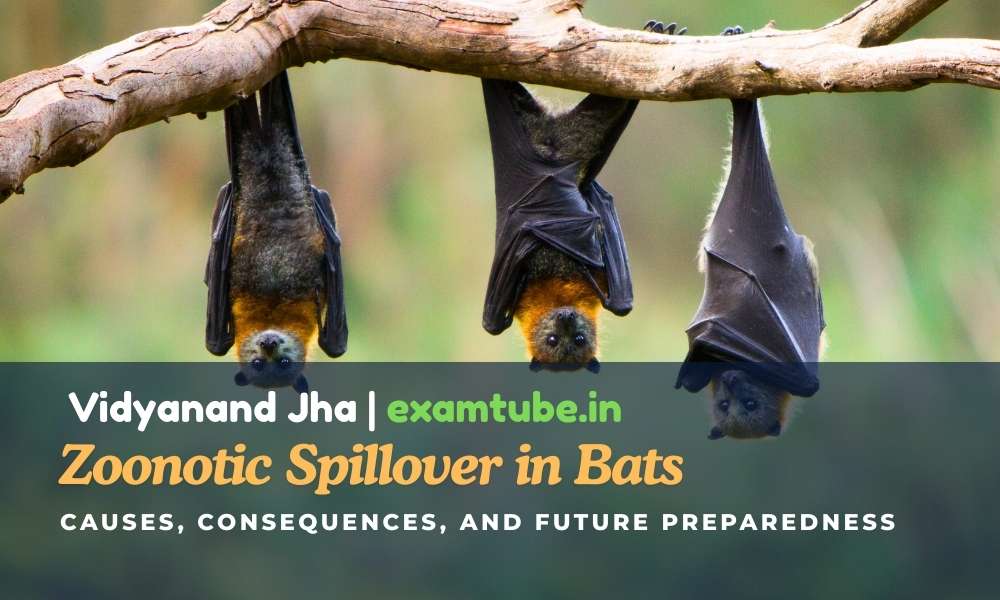
Zoonotic Spillover in Bats: Causes, Consequences, and Future Preparedness
Bats: General Characteristics and Classification Bats are small mammals capable of true sustained flight. They belong to the second-largest...

Human Astrovirus- An Introduction
Structure of Human Astrovirus Human astrovirus (virus causing gastroenteritis in humans) falls under Astroviridae (virus family) and genus M...