
Practice question
Question
Which of these is *not* a mimicry type?
Explanation
Mertensian, Wasmannian, and Batesian are recognized terms for distinct forms of mimicry, whereas “transitive mimicry” is not a standard biological category. Mertensian mimicry proposes that a highly dangerous species converges on the warning pattern of a less dangerous species because predators cannot learn from fatal encounters with the most dangerous form. Wasmannian mimicry involves guests or parasites resembling social insects in whose colonies they live. Batesian mimicry occurs when an undefended or palatable organism gains protection by resembling a defended, avoided model. These labels classify resemblance according to the participants’ defenses, ecological relationships, and the receiver being deceived. The ordinary logical property of transitivity does not define an evolutionary mechanism: even if one species resembles a second and the second resembles a third, this does not automatically constitute a separate mimicry system. Real mimicry complexes may contain several species and intermediate phenotypes, but they are analyzed using established concepts such as Batesian, Müllerian, aggressive, or reproductive mimicry, depending on who benefits and how receiver behavior is altered.
Related blogs
Guides and insights connected to this topic

SARS-CoV-2 Coronavirus: Structure, Genome, Proteins, Replication, Pathogenesis, and Host Interaction
Coronavirus Overview Coronaviruses (CoVs) are enveloped viruses (surrounded by a lipid membrane derived from host cells), belonging to the s...

Coronavirus Structure, Genome, Replication, Symptoms, Pathogenesis, and Prevention
Structure of Coronavirus Coronaviruses (enveloped RNA viruses) fall in the virus family Coronaviridae, order Nidovirales. They are enveloped...
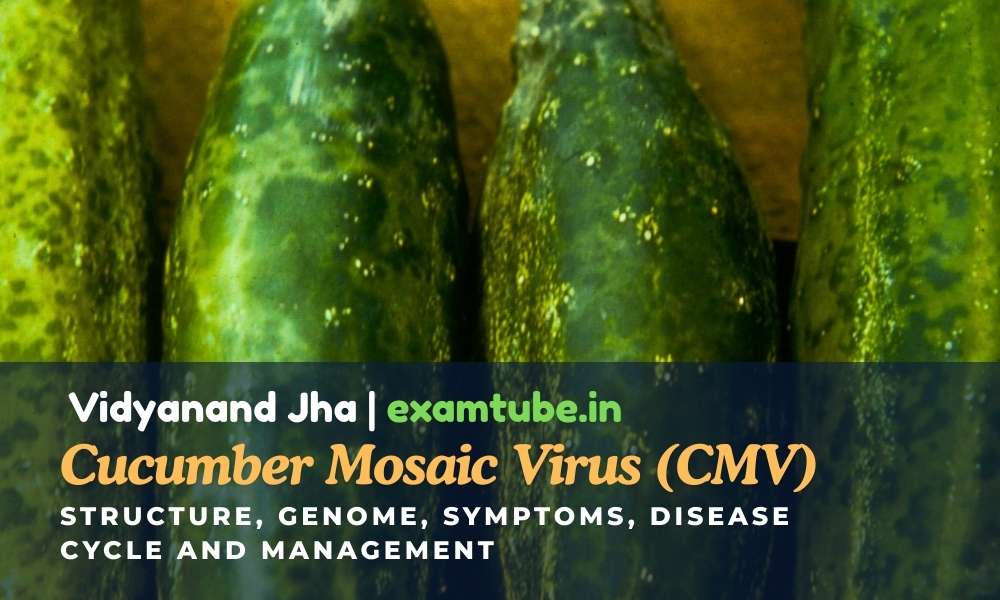
Cucumber Mosaic Virus (CMV): Structure, Genome, Symptoms, Disease Cycle and Management
Cucumber Mosaic Virus (CMV): Introduction and Importance Cucumber Mosaic Virus (CMV) (plant-infecting RNA virus) is one of the most economic...