
Practice question
Question
Praying mantis blending with flowers shows:
Explanation
A flower-associated praying mantis can use aggressive mimicry when floral resemblance helps it deceive and capture pollinators. Matching petal color, adopting a flower-like posture, and remaining motionless reduce recognition as a predator; in some species, body parts may even act as attractive floral-like signals. Bees, flies, or butterflies then approach within striking range. The adaptive beneficiary is the predator, which distinguishes aggressive mimicry from defensive systems. Müllerian mimicry requires two or more defended species sharing an honest warning pattern, while Batesian mimicry protects an undefended species that resembles a defended model. “Dispersive mimicry” is not an appropriate description of this predatory tactic. Some mantises simply achieve background crypsis rather than mimicking a flower as a signal, and experiments are needed to separate these mechanisms: investigators compare prey approach or detection rates for mantises against matching and nonmatching backgrounds. Nevertheless, when floral blending facilitates prey attraction or undetected ambush, aggressive mimicry captures the ecological function better than defensive mimicry.
Related blogs
Guides and insights connected to this topic

SARS-CoV-2 Coronavirus: Structure, Genome, Proteins, Replication, Pathogenesis, and Host Interaction
Coronavirus Overview Coronaviruses (CoVs) are enveloped viruses (surrounded by a lipid membrane derived from host cells), belonging to the s...

Cucumber Mosaic Virus (CMV): Structure, Genome, Symptoms, Disease Cycle and Management
Cucumber Mosaic Virus (CMV): Introduction and Importance Cucumber Mosaic Virus (CMV) (plant-infecting RNA virus) is one of the most economic...
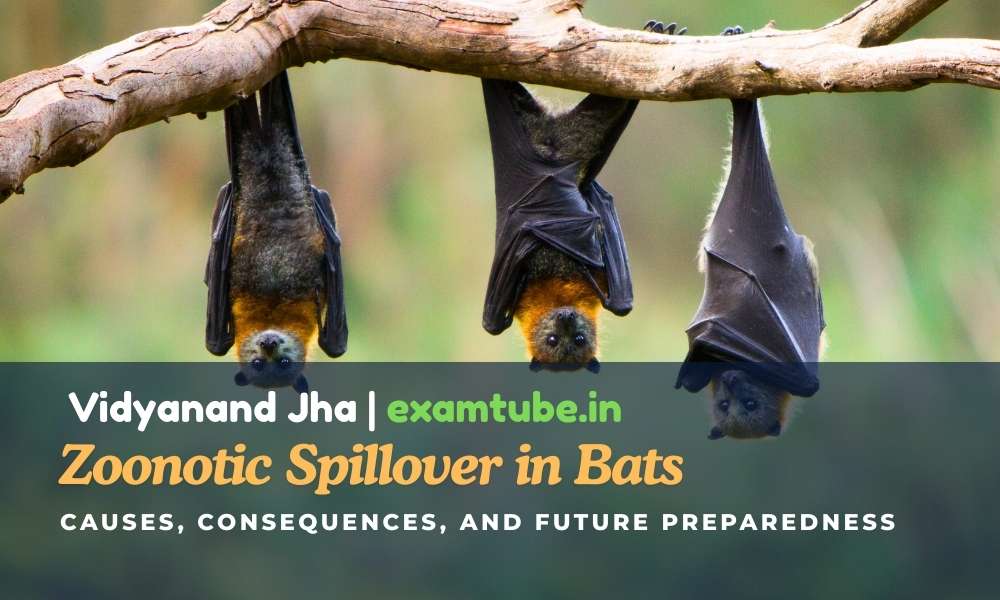
Zoonotic Spillover in Bats: Causes, Consequences, and Future Preparedness
Bats: General Characteristics and Classification Bats are small mammals capable of true sustained flight. They belong to the second-largest...