
Practice question
Question
Which of the following factors is NOT likely to be density-dependent?
Explanation
Fire is generally treated as density-independent because ignition, spread, and physical damage are governed mainly by weather, fuel, and landscape conditions rather than the density of the focal population. Space limitation, territoriality, and accumulation of self-produced toxic waste usually strengthen with crowding. A fire s consequences can still vary with density, but that does not make density the primary driver. Density dependence is identified by a change in a per-capita demographic rate as abundance changes. Negative density dependence restrains growth and can regulate abundance; positive density dependence can make sparse populations vulnerable. A factor can affect population size without regulating it if its impact does not create a restoring response to density. The decisive distinction is therefore between a descriptive label and the demographic mechanism that generates it. Interpreting the example at the appropriate population scale keeps the causal mechanism distinct from a simple correlation or an absolute rule. Ecological predictions remain conditional on the stated environment, because changing resources, mortality, or interactions can alter the observed demographic pattern.
Related blogs
Guides and insights connected to this topic

SARS-CoV-2 Coronavirus: Structure, Genome, Proteins, Replication, Pathogenesis, and Host Interaction
Coronavirus Overview Coronaviruses (CoVs) are enveloped viruses (surrounded by a lipid membrane derived from host cells), belonging to the s...

Coronavirus Structure, Genome, Replication, Symptoms, Pathogenesis, and Prevention
Structure of Coronavirus Coronaviruses (enveloped RNA viruses) fall in the virus family Coronaviridae, order Nidovirales. They are enveloped...
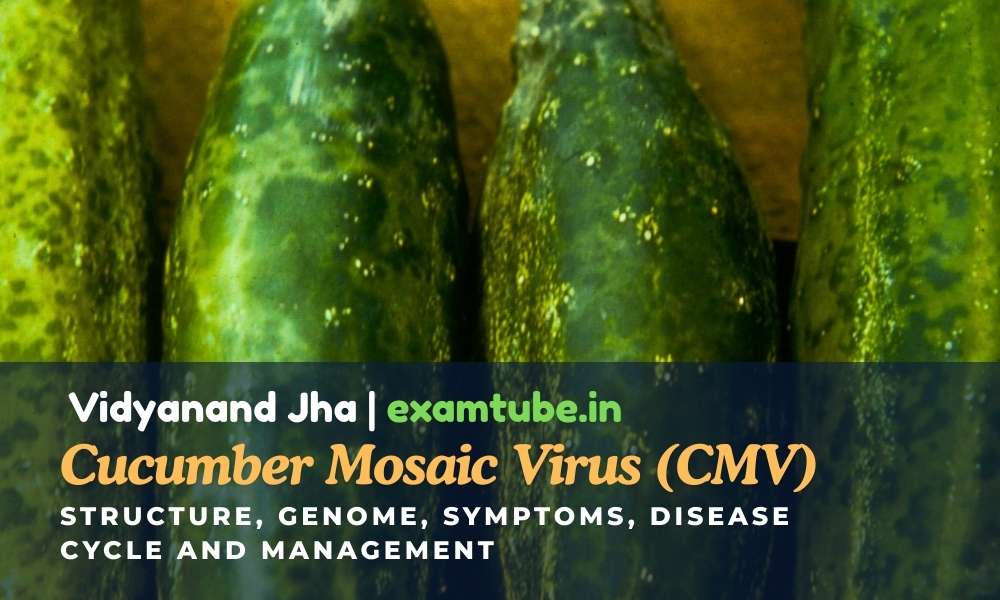
Cucumber Mosaic Virus (CMV): Structure, Genome, Symptoms, Disease Cycle and Management
Cucumber Mosaic Virus (CMV): Introduction and Importance Cucumber Mosaic Virus (CMV) (plant-infecting RNA virus) is one of the most economic...