
Practice question
Question
Which is NOT true about the Allee effect?
Explanation
The claim that populations grow faster at low density conflicts with an Allee effect. Under an Allee effect, sparse populations have reduced per-capita fitness because mates, cooperative partners, or genetic diversity are limited. Fitness therefore rises as density increases across the low-density range. Inbreeding and mate limitation are recognized mechanisms that generate this positive density dependence. Demographic mechanisms are linked by the balance dN/dt = births + immigration - deaths - emigration. Density-dependent changes in any of these terms can alter net growth. To infer regulation, ecologists compare per-capita rates across densities and distinguish causal feedback from coincidental correlations produced by weather, age structure, or habitat quality. This reasoning also explains why field observations may be approximate even when the underlying textbook classification is useful. This interpretation connects individual-level processes with measurable changes in survival, reproduction, recruitment, or abundance across the population. Field evidence should therefore be compared with the model assumptions before extending the conclusion to every species, habitat, or time period.
Related blogs
Guides and insights connected to this topic
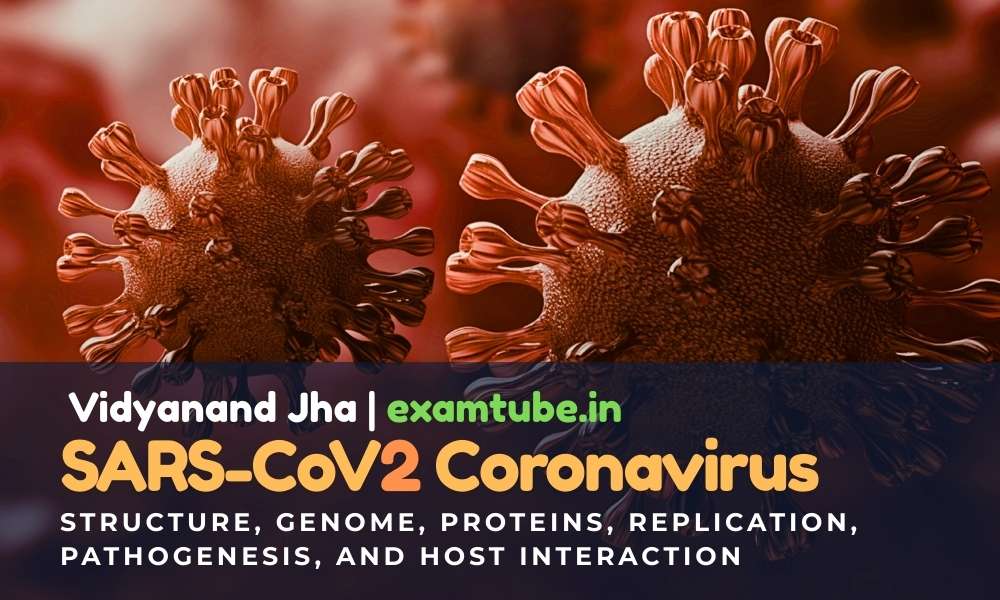
SARS-CoV-2 Coronavirus: Structure, Genome, Proteins, Replication, Pathogenesis, and Host Interaction
Coronavirus Overview Coronaviruses (CoVs) are enveloped viruses (surrounded by a lipid membrane derived from host cells), belonging to the s...

Coronavirus Structure, Genome, Replication, Symptoms, Pathogenesis, and Prevention
Structure of Coronavirus Coronaviruses (enveloped RNA viruses) fall in the virus family Coronaviridae, order Nidovirales. They are enveloped...
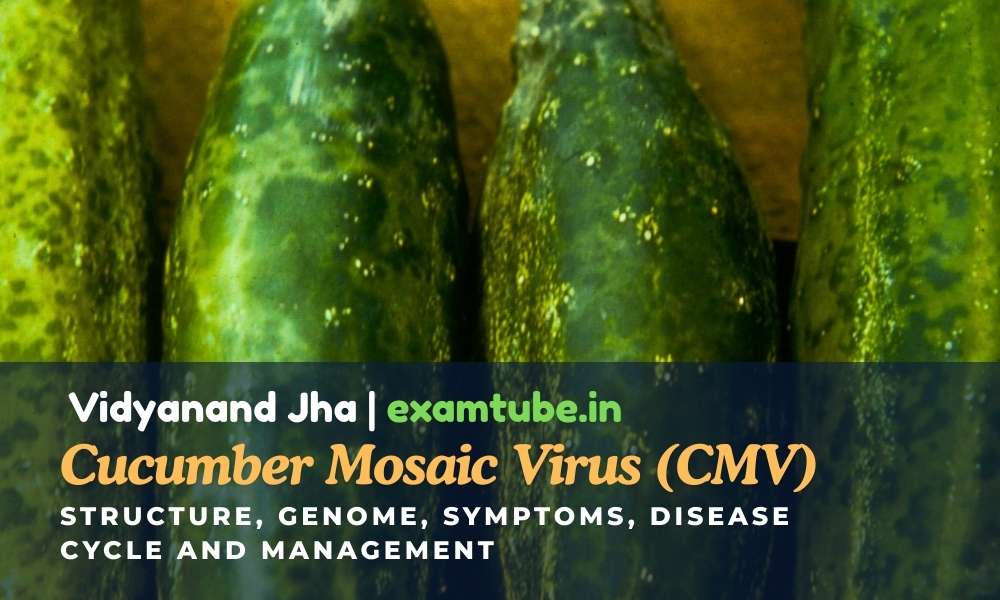
Cucumber Mosaic Virus (CMV): Structure, Genome, Symptoms, Disease Cycle and Management
Cucumber Mosaic Virus (CMV): Introduction and Importance Cucumber Mosaic Virus (CMV) (plant-infecting RNA virus) is one of the most economic...