
Practice question
Question
Which interaction match is correct?
Explanation
Matching ecological interactions requires tracking the fitness signs experienced by both partners. Mutualism is +/+ because each species benefits, as in mycorrhizae exchanging mineral nutrients for plant carbohydrates. Competition is −/− because both expend resources or lose access to a limiting resource. Predation, herbivory, and parasitism are +/−: one organism gains energy or resources while the other is harmed. Commensalism is +/0, where one benefits and the other has no measurable fitness change, while amensalism is −/0. The keyed sequence A–(ii), B–(iv), C–(i) is valid only when the lettered examples and numbered sign patterns in the omitted source figure correspond in that order. A robust match should be made from mechanism, not from labels alone: ask whether resources are transferred, whether one partner’s survival or reproduction changes, and whether the association is obligatory or facultative. Neutral effects are particularly difficult to demonstrate experimentally, so “0” means no detectable effect under the conditions studied. Because the row does not include the A–C examples or i–iv definitions, the exact mapping cannot be independently audited, but these sign conventions provide the biological basis for evaluating it.
Related blogs
Guides and insights connected to this topic

SARS-CoV-2 Coronavirus: Structure, Genome, Proteins, Replication, Pathogenesis, and Host Interaction
Coronavirus Overview Coronaviruses (CoVs) are enveloped viruses (surrounded by a lipid membrane derived from host cells), belonging to the s...

Coronavirus Structure, Genome, Replication, Symptoms, Pathogenesis, and Prevention
Structure of Coronavirus Coronaviruses (enveloped RNA viruses) fall in the virus family Coronaviridae, order Nidovirales. They are enveloped...
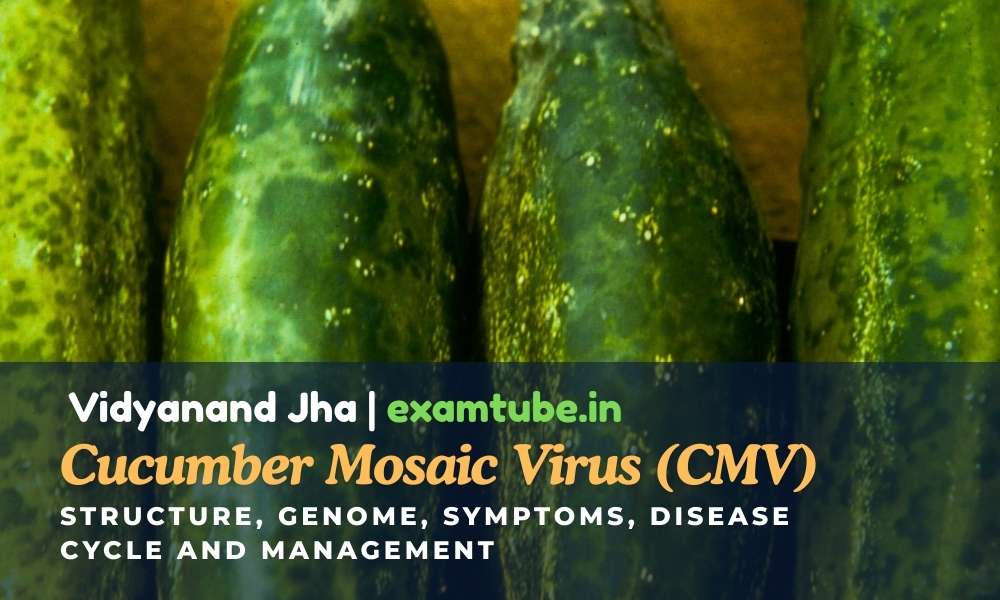
Cucumber Mosaic Virus (CMV): Structure, Genome, Symptoms, Disease Cycle and Management
Cucumber Mosaic Virus (CMV): Introduction and Importance Cucumber Mosaic Virus (CMV) (plant-infecting RNA virus) is one of the most economic...