
Practice question
Question
Which of the following enhances biodiversity stability?
Explanation
High evenness distributes individuals and ecological functions across many species rather than concentrating them in one dominant taxon. This can stabilize aggregate properties such as biomass production because environmental fluctuations rarely affect all species identically. When one species declines, others may maintain resource capture or compensate through increased growth—the portfolio or insurance effect. Evenness also reduces the chance that loss of a single dominant species causes a large functional collapse. By contrast, strong dominance makes community performance disproportionately dependent on one population and can suppress subordinate species through competitive exclusion. Primary productivity is an ecosystem rate, not inherently a cause of biodiversity stability; very high productivity may even intensify dominance in some systems. Keystone predators can promote coexistence by limiting superior competitors, but their effect is context-specific, and reliance on one keystone can itself create vulnerability. High evenness is therefore the most general property listed that enhances diversity stability. Stability has several components—resistance, resilience, and temporal invariability—and evenness may affect each differently. Richness, response diversity, food-web structure, and spatial connectivity also matter, so evenness is supportive rather than sufficient on its own.
Related blogs
Guides and insights connected to this topic

SARS-CoV-2 Coronavirus: Structure, Genome, Proteins, Replication, Pathogenesis, and Host Interaction
Coronavirus Overview Coronaviruses (CoVs) are enveloped viruses (surrounded by a lipid membrane derived from host cells), belonging to the s...
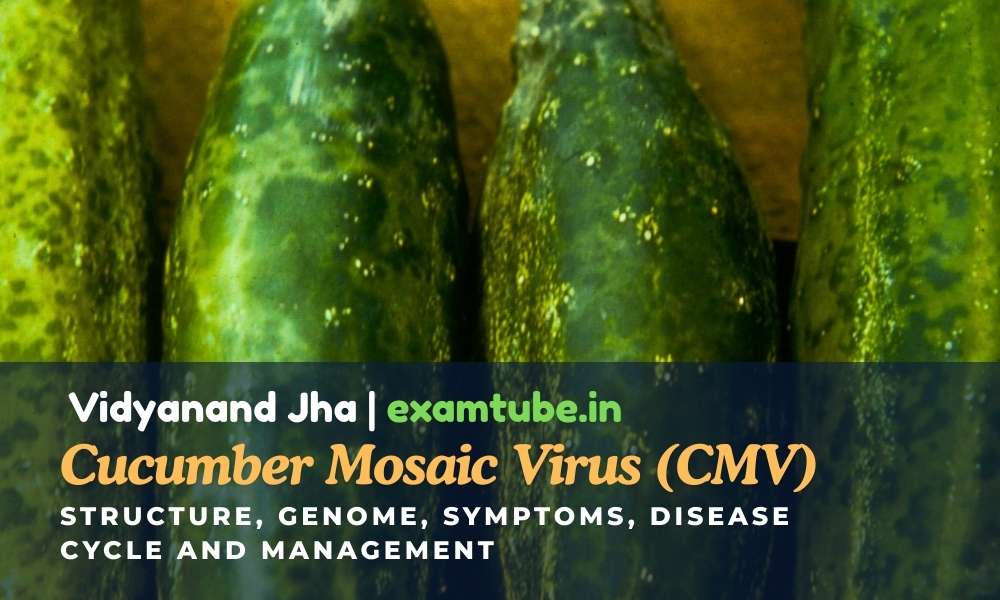
Cucumber Mosaic Virus (CMV): Structure, Genome, Symptoms, Disease Cycle and Management
Cucumber Mosaic Virus (CMV): Introduction and Importance Cucumber Mosaic Virus (CMV) (plant-infecting RNA virus) is one of the most economic...
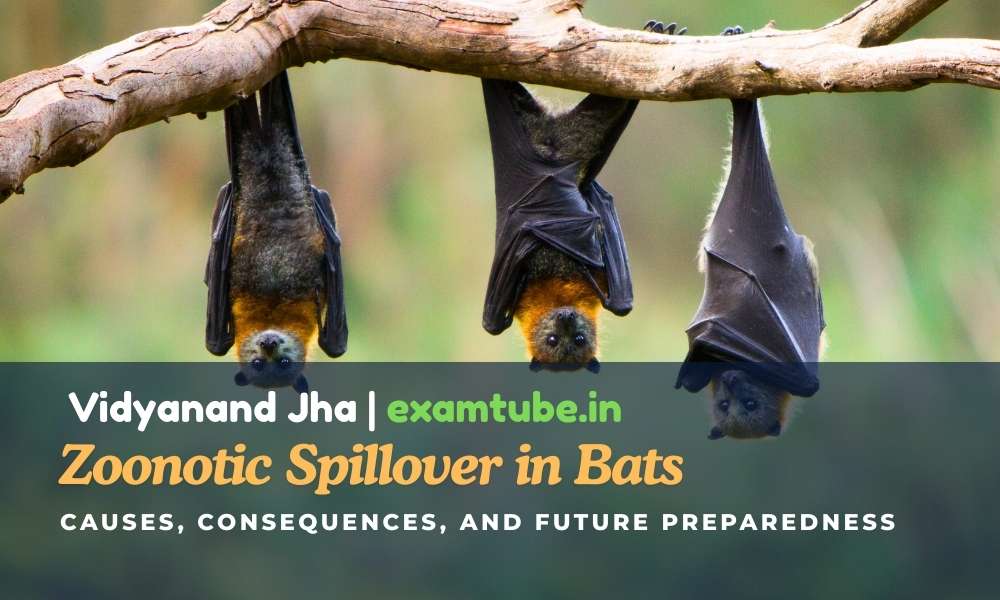
Zoonotic Spillover in Bats: Causes, Consequences, and Future Preparedness
Bats: General Characteristics and Classification Bats are small mammals capable of true sustained flight. They belong to the second-largest...