
Practice question
Question
Which combination correctly describes IDH?
Explanation
The intermediate disturbance hypothesis proposes a hump-shaped relationship between disturbance intensity or frequency and local diversity. With little disturbance, strong competitors may exclude weaker species and reduce coexistence. Severe or very frequent disturbance removes many organisms, especially slow-growing or disturbance-sensitive taxa, leaving only a limited tolerant set. At intermediate levels, competitive exclusion is interrupted without eliminating most populations, allowing colonizers, tolerant species, and superior competitors to coexist. The hypothesis is context dependent rather than a universal law, but its defining prediction is highest diversity under intermediate disturbance, not at either extreme. This reasoning connects organismal behavior with broader ecological consequences. A mechanism that changes encounter rates, resource use, or reproductive success can scale up to alter population trajectories and the structure of species interactions. The alternatives can be separated by asking what changes for each participant and which process causes that change. That approach is more reliable than treating familiar examples as fixed labels, because many interactions shift with environmental context.
Related blogs
Guides and insights connected to this topic
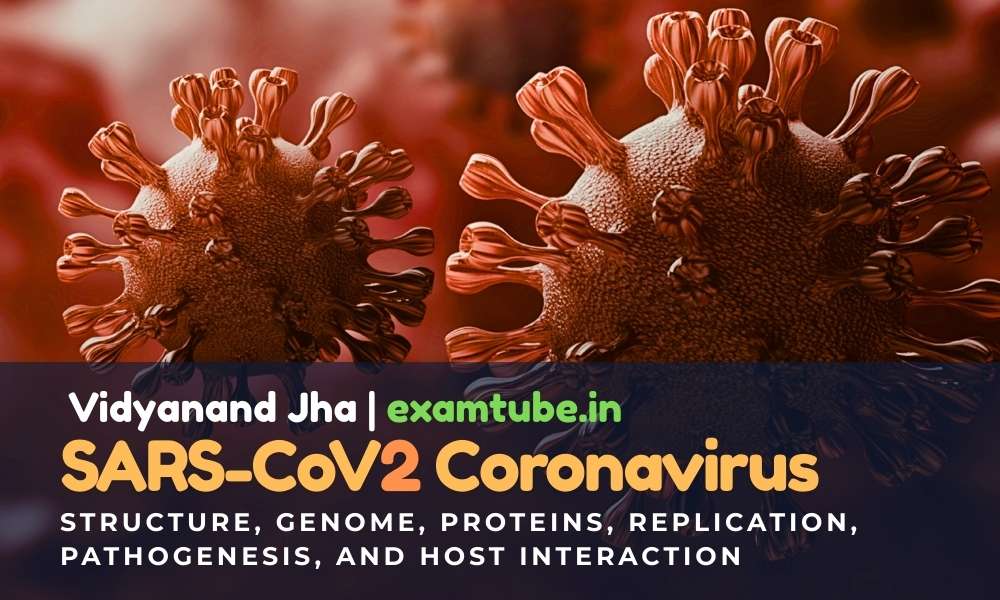
SARS-CoV-2 Coronavirus: Structure, Genome, Proteins, Replication, Pathogenesis, and Host Interaction
Coronavirus Overview Coronaviruses (CoVs) are enveloped viruses (surrounded by a lipid membrane derived from host cells), belonging to the s...
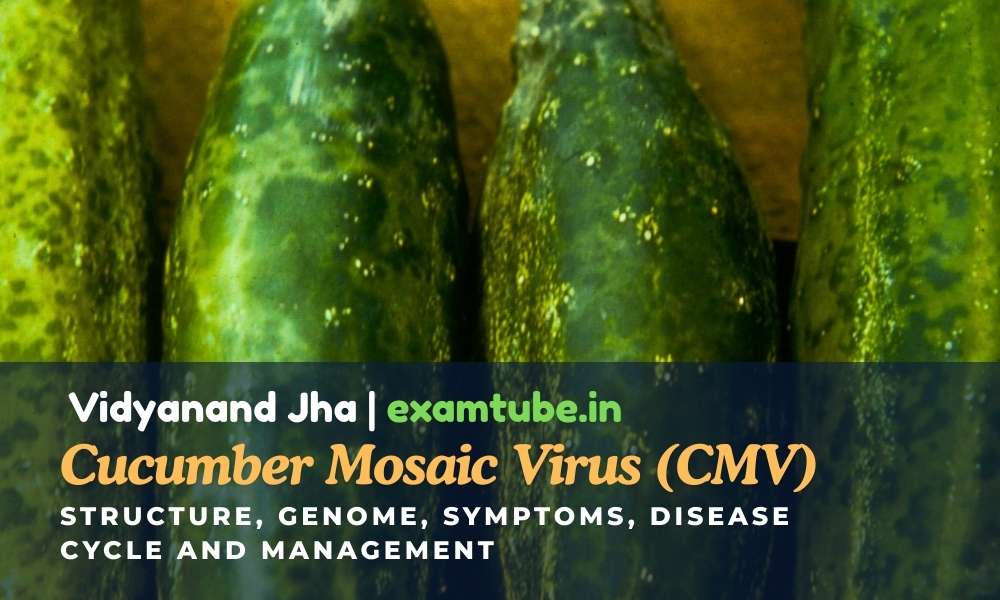
Cucumber Mosaic Virus (CMV): Structure, Genome, Symptoms, Disease Cycle and Management
Cucumber Mosaic Virus (CMV): Introduction and Importance Cucumber Mosaic Virus (CMV) (plant-infecting RNA virus) is one of the most economic...
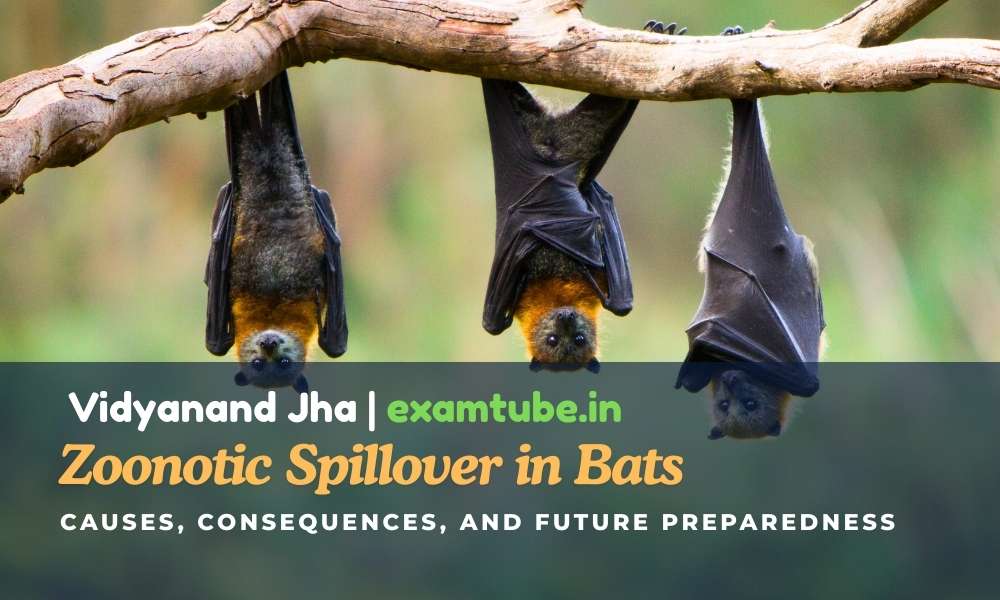
Zoonotic Spillover in Bats: Causes, Consequences, and Future Preparedness
Bats: General Characteristics and Classification Bats are small mammals capable of true sustained flight. They belong to the second-largest...