
Practice question
Question
Ecads when kept in same environment become:
Explanation
Ecads are environmentally induced forms within a species, not genetically fixed races. Different conditions can produce contrasting body size, pigmentation, leaf form, or physiology through phenotypic plasticity. When those individuals are transferred to a common environment, the environmental cues become similar and their phenotypes tend to converge, making them morphologically similar. This common-garden logic distinguishes plastic responses from inherited differentiation: persistent differences would suggest genetic divergence, whereas disappearing differences indicate environmental control. Ecads therefore need not become sterile or genetically diverse when conditions are standardized. At population level, this mechanism can influence abundance, coexistence, and evolutionary selection. Separating immediate individual effects from longer-term community outcomes gives the selected concept a clearer ecological meaning and avoids relying only on memorized terminology. The relevant evidence concerns process rather than wording alone. Linking the described pattern to energetic returns, fitness consequences, or receiver responses makes the inference biologically coherent and distinguishes it from the competing alternatives.
Related blogs
Guides and insights connected to this topic
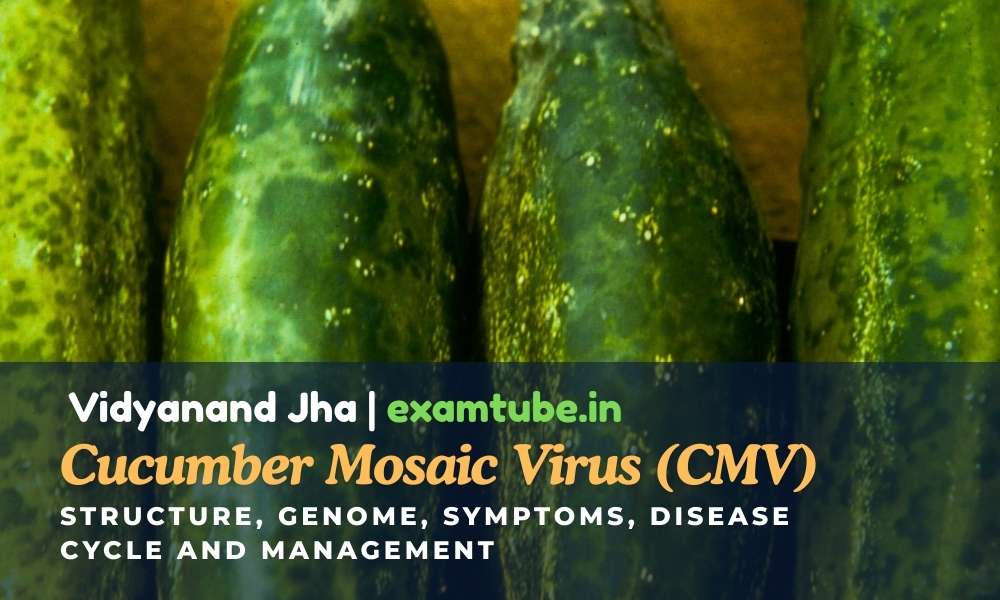
Cucumber Mosaic Virus (CMV): Structure, Genome, Symptoms, Disease Cycle and Management
Cucumber Mosaic Virus (CMV): Introduction and Importance Cucumber Mosaic Virus (CMV) (plant-infecting RNA virus) is one of the most economic...

Zoonotic Spillover in Bats: Causes, Consequences, and Future Preparedness
Bats: General Characteristics and Classification Bats are small mammals capable of true sustained flight. They belong to the second-largest...

Human Astrovirus- An Introduction
Structure of Human Astrovirus Human astrovirus (virus causing gastroenteritis in humans) falls under Astroviridae (virus family) and genus M...