
Practice question
Question
Thick spore walls in land plants mainly protect against
Explanation
Land plant spores possess complex wall stratification including innermost intine cellulosic, middle exine rich in chemically inert sporopollenin highly resistant polymer derived from lipid metabolism, and outer perispore. Primary adaptive value involves preventing desiccation during prolonged airborne dispersal across dry air, fluctuating humidity and high temperatures, maintaining protoplast viability until germination on moist substrate. While sporopollenin confers resistance against pathogens, chemical degradation and UV, desiccation resistance drives major selection. Herbivory and mechanical damage affect larger vegetative organs, but microscopic spores chiefly face abiotic drying stress during colonization.
Related blogs
Guides and insights connected to this topic
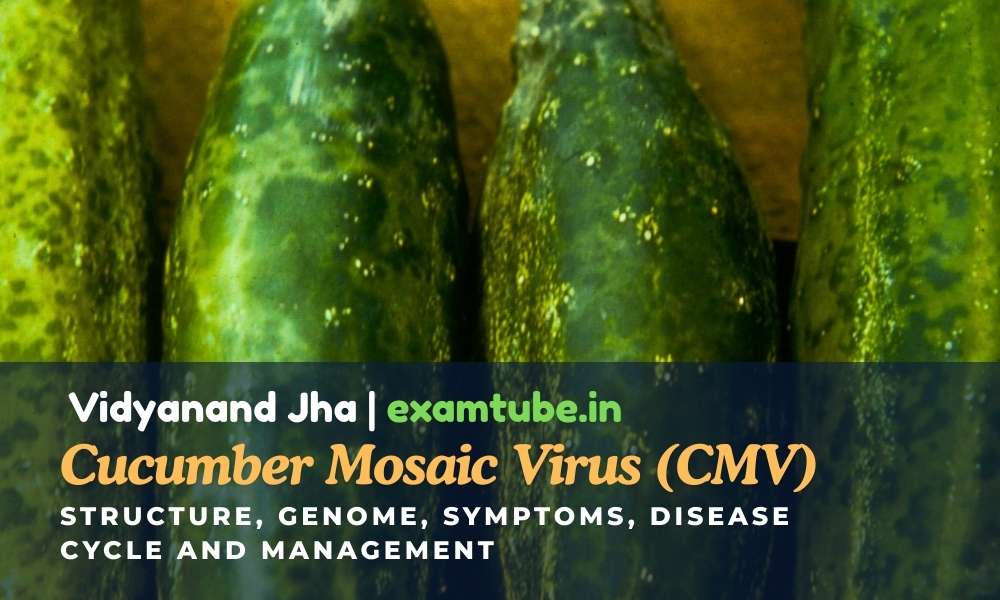
Cucumber Mosaic Virus (CMV): Structure, Genome, Symptoms, Disease Cycle and Management
Cucumber Mosaic Virus (CMV): Introduction and Importance Cucumber Mosaic Virus (CMV) (plant-infecting RNA virus) is one of the most economic...

Zoonotic Spillover in Bats: Causes, Consequences, and Future Preparedness
Bats: General Characteristics and Classification Bats are small mammals capable of true sustained flight. They belong to the second-largest...

Human Astrovirus- An Introduction
Structure of Human Astrovirus Human astrovirus (virus causing gastroenteritis in humans) falls under Astroviridae (virus family) and genus M...