
Practice question
Question
The number of different species in a community is called:
Explanation
Species richness is the count of distinct species present in a defined community, area, or sample. A community containing twenty species has greater richness than one containing ten, regardless of how individuals are distributed among them. Evenness addresses that distribution: it is high when species have similar abundances and low when one or a few dominate. Dominance likewise concerns concentration of abundance, while an index combines selected components mathematically. Shannon and Simpson measures therefore can differ between communities that have identical richness but different evenness. Richness estimates depend strongly on sampling effort, area, season, detectability, and taxonomic resolution. Rarefaction or standardized coverage is often used to compare samples of unequal size, and unseen-species estimators can account for taxa likely missed. Richness also has no information about species identity: two communities may each contain ten species yet share none, producing equal richness but high beta diversity. Despite these limitations, it is the simplest and most intuitive biodiversity component and forms the basis of species–area curves, local alpha-diversity comparisons, and regional conservation inventories.
Related blogs
Guides and insights connected to this topic
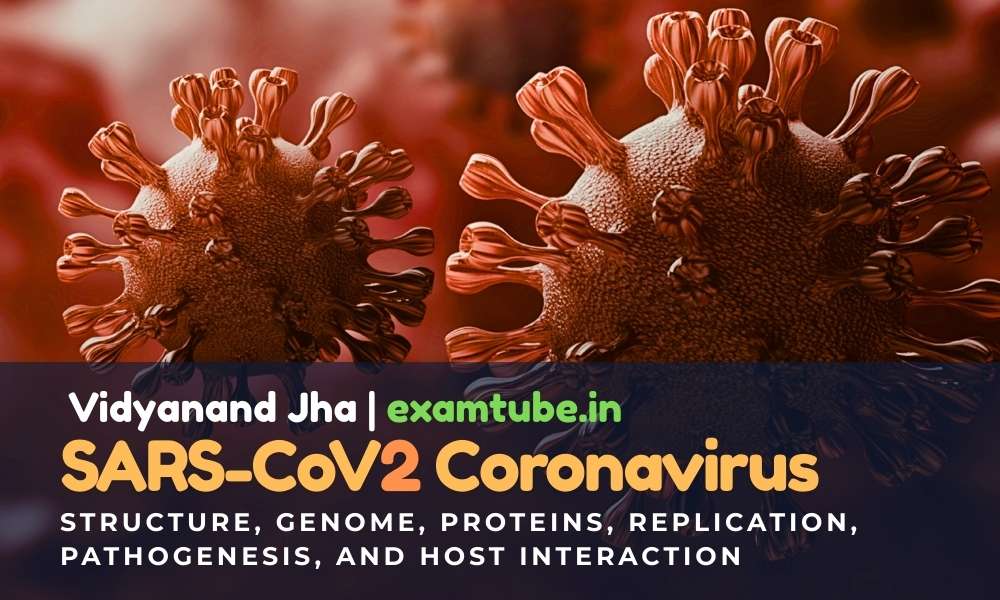
SARS-CoV-2 Coronavirus: Structure, Genome, Proteins, Replication, Pathogenesis, and Host Interaction
Coronavirus Overview Coronaviruses (CoVs) are enveloped viruses (surrounded by a lipid membrane derived from host cells), belonging to the s...
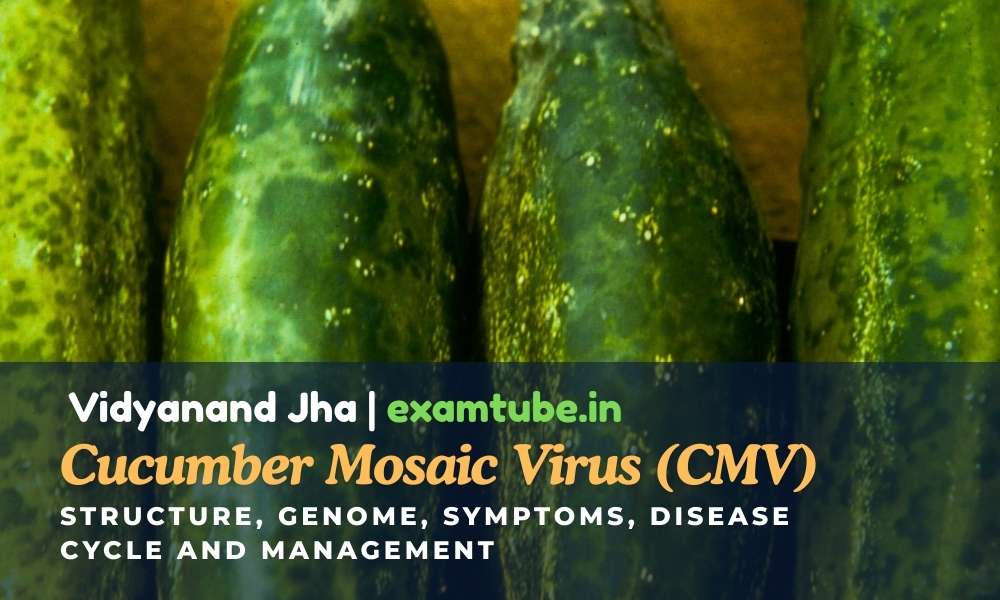
Cucumber Mosaic Virus (CMV): Structure, Genome, Symptoms, Disease Cycle and Management
Cucumber Mosaic Virus (CMV): Introduction and Importance Cucumber Mosaic Virus (CMV) (plant-infecting RNA virus) is one of the most economic...
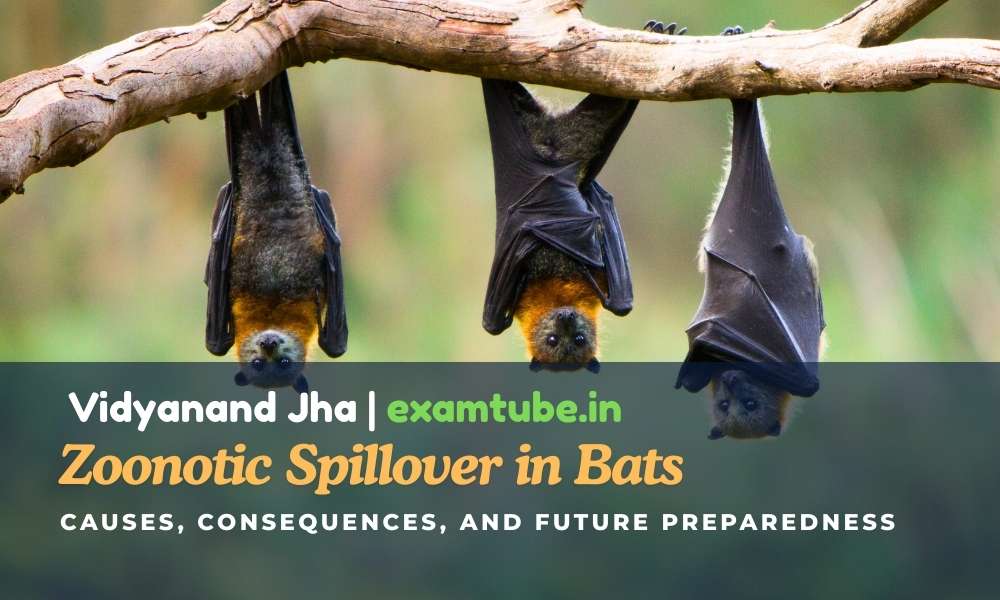
Zoonotic Spillover in Bats: Causes, Consequences, and Future Preparedness
Bats: General Characteristics and Classification Bats are small mammals capable of true sustained flight. They belong to the second-largest...