
Practice question
Question
The algae and coral reef relationship is best described as:
Explanation
Reef-building corals live in an intimate nutritional mutualism with intracellular dinoflagellates of the family Symbiodiniaceae, commonly called zooxanthellae. The algae photosynthesize and transfer a substantial fraction of fixed carbon to the coral host, supporting respiration, growth, and rapid calcium-carbonate deposition in nutrient-poor tropical water. Corals supply carbon dioxide, nitrogenous wastes, phosphorus, and a protected, well-lit cellular habitat. This reciprocal metabolic exchange explains the high productivity of reefs despite low surrounding nutrient concentrations. Many reef corals depend strongly on the association, so it is conventionally described as obligate mutualism, although dependence varies among coral and symbiont species and some corals can feed heterotrophically. Heat or other stress can disrupt the partnership, causing bleaching through symbiont loss; prolonged bleaching often leads to starvation and mortality. Commensalism ignores the algal contribution, parasitism misstates the usual net benefit, and amensalism predicts unilateral harm. “Obligate” here means essential under normal ecological conditions, not that every participant is incapable of any independent existence.
Related blogs
Guides and insights connected to this topic
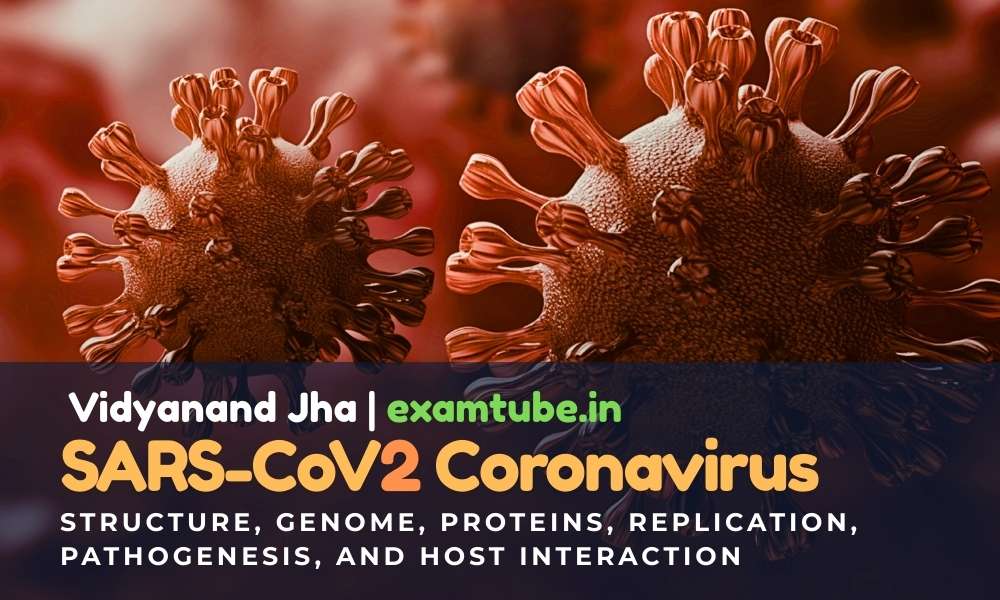
SARS-CoV-2 Coronavirus: Structure, Genome, Proteins, Replication, Pathogenesis, and Host Interaction
Coronavirus Overview Coronaviruses (CoVs) are enveloped viruses (surrounded by a lipid membrane derived from host cells), belonging to the s...
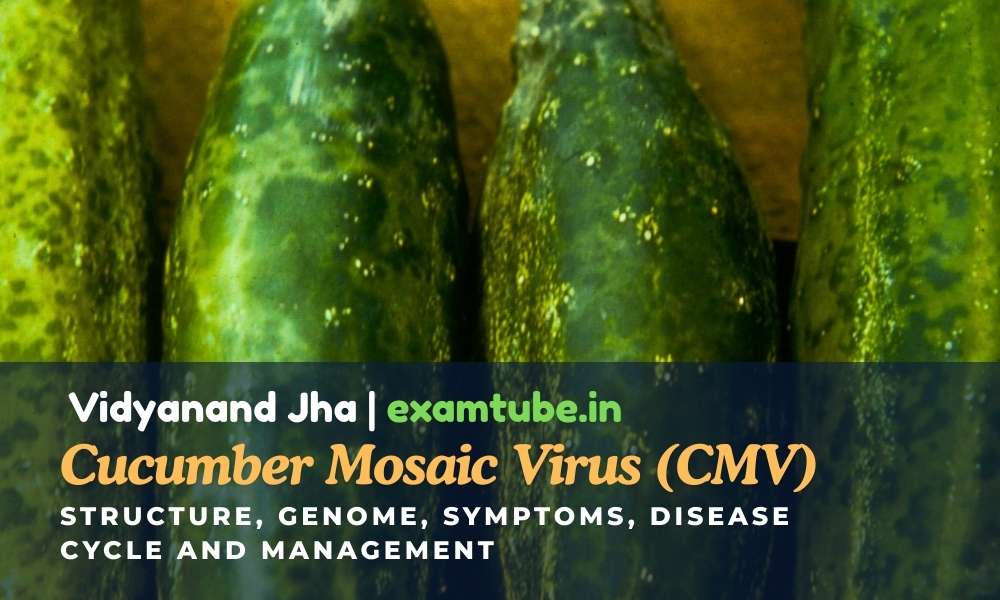
Cucumber Mosaic Virus (CMV): Structure, Genome, Symptoms, Disease Cycle and Management
Cucumber Mosaic Virus (CMV): Introduction and Importance Cucumber Mosaic Virus (CMV) (plant-infecting RNA virus) is one of the most economic...
Zoonotic Spillover in Bats: Causes, Consequences, and Future Preparedness
Bats: General Characteristics and Classification Bats are small mammals capable of true sustained flight. They belong to the second-largest...