
Practice question
Question
Selenocysteine and pyrrolysine incorporation represent
Explanation
Selenocysteine and pyrrolysine incorporation exemplify programmed recoding events where stop codons acquire sense meaning through dedicated cis-elements and trans-factors rather than translational errors. Mechanisms involve competition with release factors RF1, RF2, eRF1, specialized tRNAs bearing UCA or CUA anticodons, unique elongation factors SelB, EFSec, and orthogonal synthetases PylRS plus mRNA signals SECIS or PYLIS. Recoding preserves genome-wide termination fidelity while permitting selective reassignment at specific loci. This represents evolutionary flexibility of genetic code, not frameshift, misincorporation, or post-translational modification. Such natural code expansion inspired synthetic biologists to engineer additional noncanonical amino acids expanding protein chemistry beyond twenty encoded residues naturally.
Related blogs
Guides and insights connected to this topic
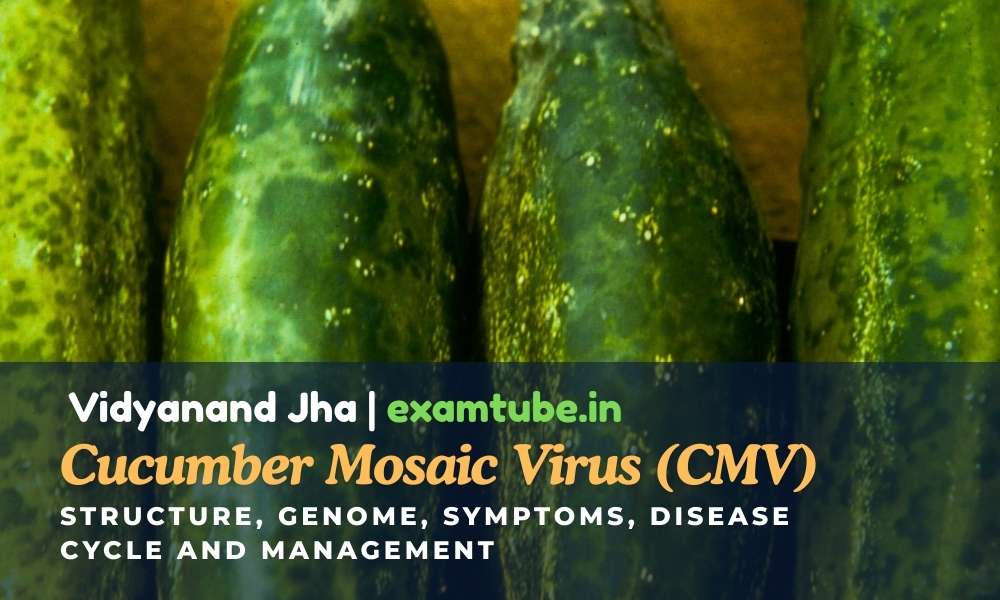
Cucumber Mosaic Virus (CMV): Structure, Genome, Symptoms, Disease Cycle and Management
Cucumber Mosaic Virus (CMV): Introduction and Importance Cucumber Mosaic Virus (CMV) (plant-infecting RNA virus) is one of the most economic...

Zoonotic Spillover in Bats: Causes, Consequences, and Future Preparedness
Bats: General Characteristics and Classification Bats are small mammals capable of true sustained flight. They belong to the second-largest...
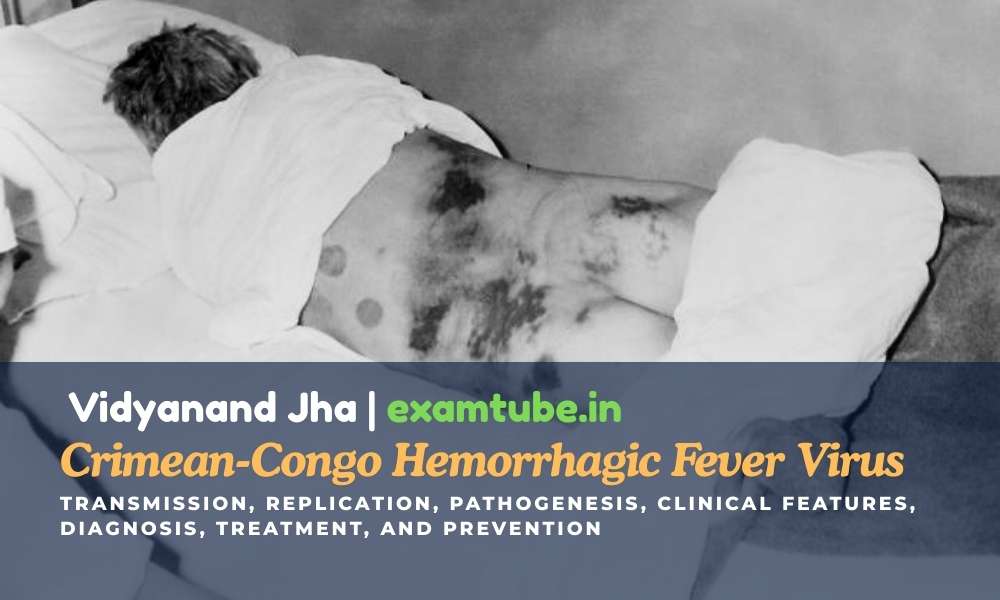
Crimean-Congo Hemorrhagic Fever Virus (CCHFV): Transmission, Replication, Pathogenesis, Clinical Features, Diagnosis, Treatment, and Prevention
Structure of Crimean-Congo Hemorrhagic Fever Virus Crimean-Congo hemorrhagic fever virus (– causative agent of CCHF) falls under the family...