
Practice question
Question
Protective covering of many ectoprocts is made of
Explanation
Protective housing of individual zooids in many ectoprocts involves secretion of elaborate exoskeleton termed zooecium composed primarily of chitinous cuticle frequently impregnated with calcium carbonate forming rigid box vase or tubular case enclosing softer polypide containing lophophore and viscera. In marine Gymnolaemata calcified zooecium provides rigidity against predation abrasion, frontal wall may be membranous or calcified, while Ctenostomata maintain flexible cuticle. Some possess frontal membranes, ooecia for brooding and spines defense. Composition reflects ambient calcium availability and colony form encrusting versus erect. Protective cystid contrasts with chitinous tube of phoronids and bivalved shell of brachiopods constituting unique apomorphy.
Related blogs
Guides and insights connected to this topic
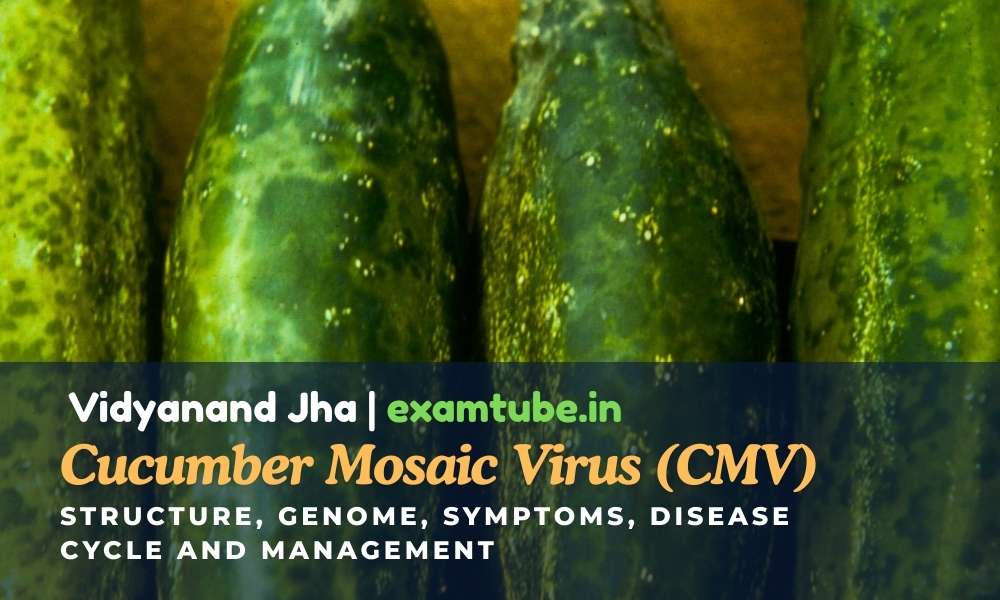
Cucumber Mosaic Virus (CMV): Structure, Genome, Symptoms, Disease Cycle and Management
Cucumber Mosaic Virus (CMV): Introduction and Importance Cucumber Mosaic Virus (CMV) (plant-infecting RNA virus) is one of the most economic...

Human Astrovirus- An Introduction
Structure of Human Astrovirus Human astrovirus (virus causing gastroenteritis in humans) falls under Astroviridae (virus family) and genus M...

Crimean-Congo Hemorrhagic Fever Virus (CCHFV): Transmission, Replication, Pathogenesis, Clinical Features, Diagnosis, Treatment, and Prevention
Structure of Crimean-Congo Hemorrhagic Fever Virus Crimean-Congo hemorrhagic fever virus (– causative agent of CCHF) falls under the family...